




Congressman Proposes Cleaner Postal Fleet
According to the proposed legislation, most of the U.S. Postal Service’s vehicles have reached the end of their 24-year operational lifespan.

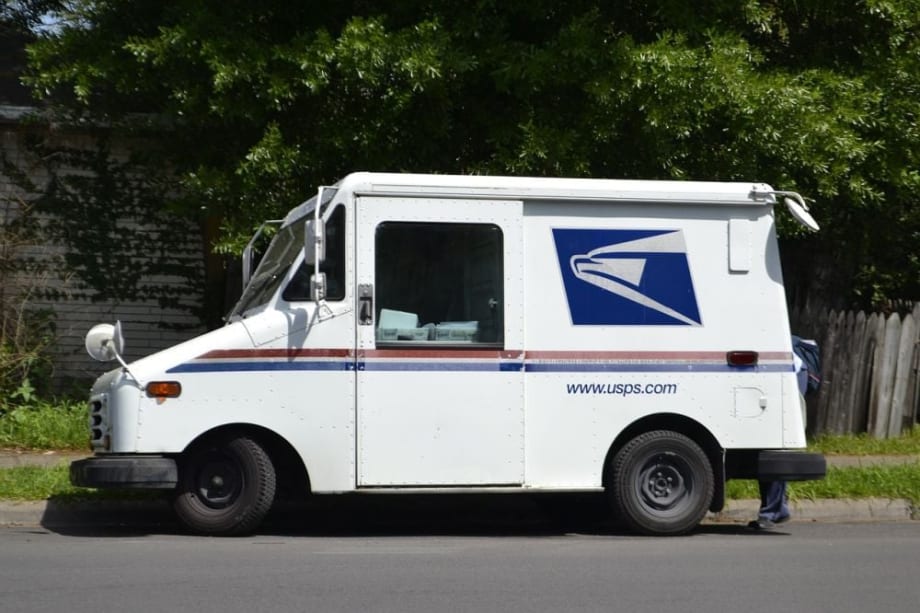
According to the FLEET Act, the U.S. Postal Service's Grumman LLV delivery vehicle has reached the end of its operational lifecycle.
Photo via Pixabay
In observance of Earth Day, Congressman Jared Huffman introduced the Federal Leadership in Energy Efficient Transportation (FLEET) Act of 2019, a proposal to transform the U.S. Postal Service (USPS) fleet with modern, efficient vehicles that use less oil, produce less pollution, and save taxpayer money.
“The Postal Service is one institution with a lot of room for improvement, crippled by an inefficient, outdated fleet, with most of these vehicles reaching the end of their operational lives. The FLEET Act will help invest in a modern, efficient Postal Service fleet and transform our nation’s largest civilian fleet into a global leader in efficiency and innovation,” Rep. Huffman said in a press release.
A press release from Rep. Huffman notes that the USPS fleet includes more than 141,000 Grumman LLVs. These vehicles first entered service in 1987, and the majority have reached the end of their 24-year operational lifespan.
The Grumman LLV averages only 10 miles per gallon, which leads to high fuel costs for the agency — in fiscal-year 2016, USPS purchased 251 million gallons of diesel at a cost of more than $570 million, making the USPS one of the largest consumers of diesel fuel in the country.
The FLEET Act of 2019 aims to save millions of dollars in annual fuel and maintenance costs by modernizing the fleet. This proposed legislation:
Requires USPS to reduce petroleum consumption by 2% every year over the next 10 years
Sets minimum fuel efficiency and tailpipe emission standards for all new fleet vehicles
Instructs USPS to incorporate new technologies into postal routes that increase fuel economy or reduce tailpipe emissions and use these new technologies to inform purchasing decisions
Requires USPS to replace old vehicles that require costly maintenance
Provides USPS with funding tools to help cover the cost of upgrading its fleet, such as Energy Utility Savings Performance Contracts — regulations currently used to accelerate investment in cost-effective energy conservation measures for federal buildings.
This isn’t the first attempt by Congress to update the fleet. Ref. Huffman introduced a similar bill in 2014 to make the USPS fleet more efficient. Since then, the cost per mile for USPS vehicles has risen from $1.17 in FY-12 to $1.25 in FY-17.
According to the U.S. General Service Administration’s Federal Fleet Report for fiscal-year 2017, the USPS owns and leases 229,247 vehicles. The average age of vehicles in the USPS fleet during FY-17 was 20.2 years old.
More Green Fleet
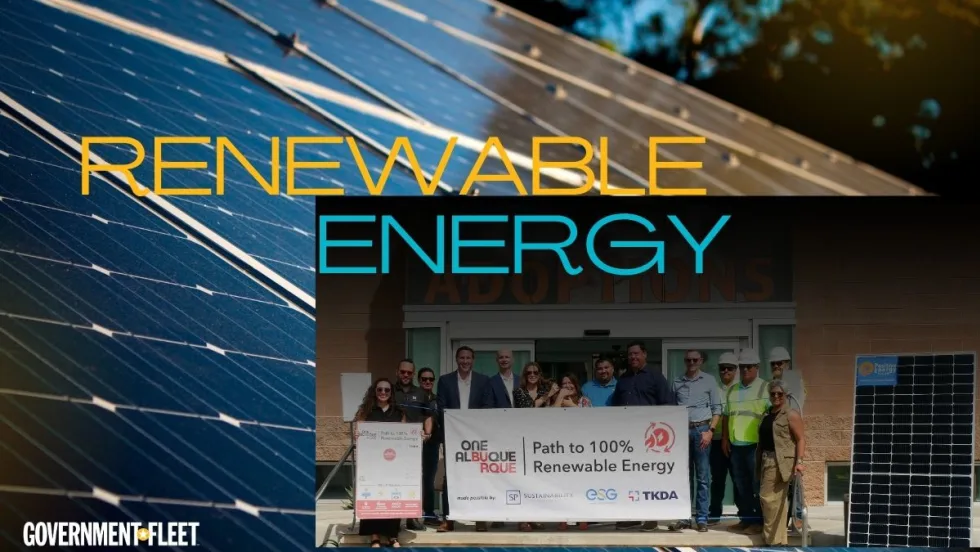
Sustainability Partners, Energy Systems Group Help Albuquerque Close the Gap on its 100% Renewable Energy Goal
The eight-site, 6 MW solar project has advanced the city toward 100% renewable energy for municipal operations.
Read More →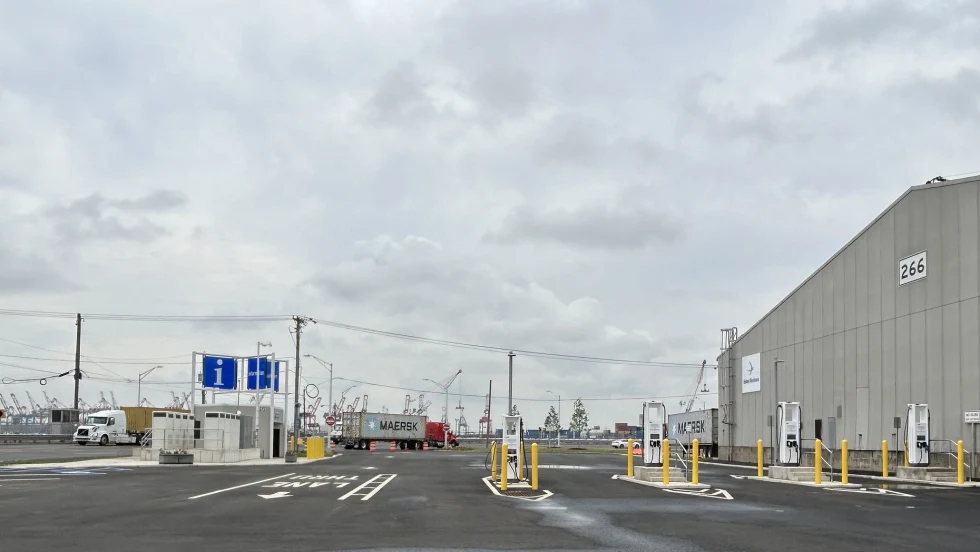
Port Authority and CALSTART Launch $45 Million Electric Truck and Charging Programs
The programs aim to boost sustainable operations across the East Coast's busiest seaport.
Read More →
Moving Government Fleets Beyond the Vehicle Purchase: EV as a Service
A discussion on how EVaaS is moving beyond pilot programs and what fleets should consider before beginning a larger deployment.
Read More →
Moving Government Fleets Beyond the Vehicle Purchase: EV as a Service
As fleets move beyond small EV pilots, Sustainability Partners CEO Adam Cain explains how EVaaS can address the infrastructure and long-term planning required for larger deployments.
Read More →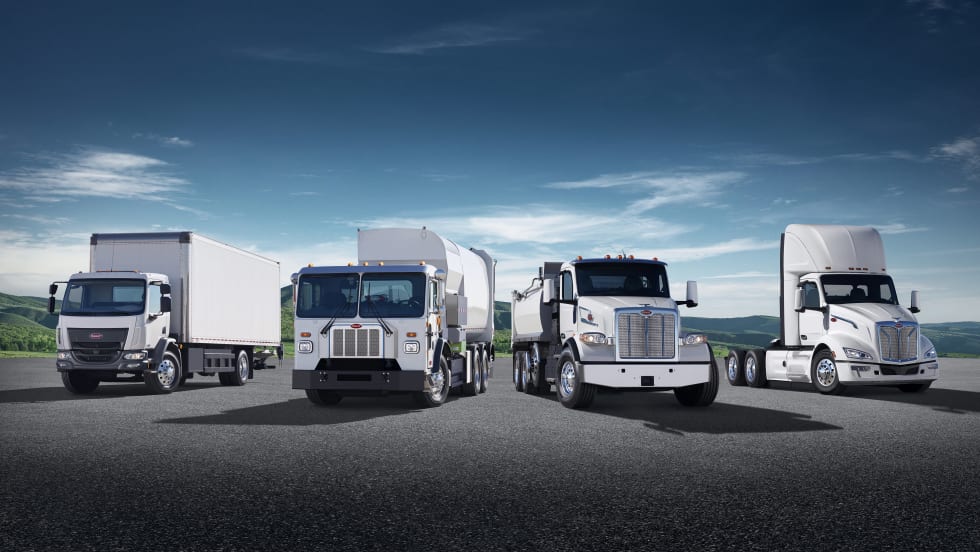
Peterbilt Expands Sourcewell Partnership with Electric Vehicle Lineup
The agreement aims to provide streamlined procurement of Peterbilt trucks for government, education, nonprofit and tribal organizations across the United States and Canada.
Read More →
EV Adoption & Charging Challenges
Where is your fleet in the journey of vehicle electrification? If you're still looking for answers to fleet electrification you've come to the right place.
Read More →
Hawaii Passes Clean Fuel Policy
Hawaii lawmakers passed clean fuel legislation that could support renewable natural gas production, biogas-powered transportation, and lower-carbon fueling options for public and commercial fleets.
Read More →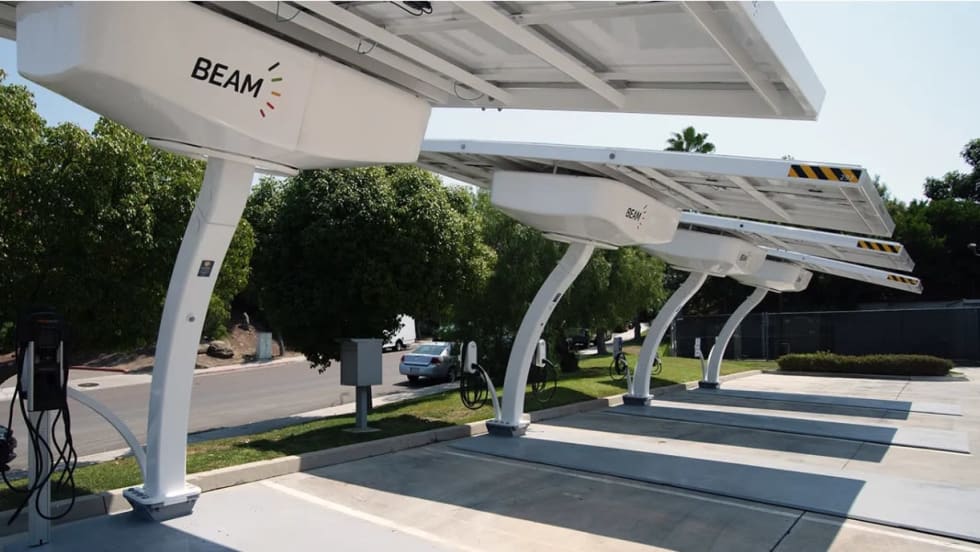
Stanislaus County Deploys Ten Beam Global EV ARC Systems to Support County Fleet Electrification
Stanislaus County deployed 10 off-grid solar-powered EV charging systems and a mobile charging trailer from Beam Global to support its electric fleet operations and emergency response flexibility.
Read More →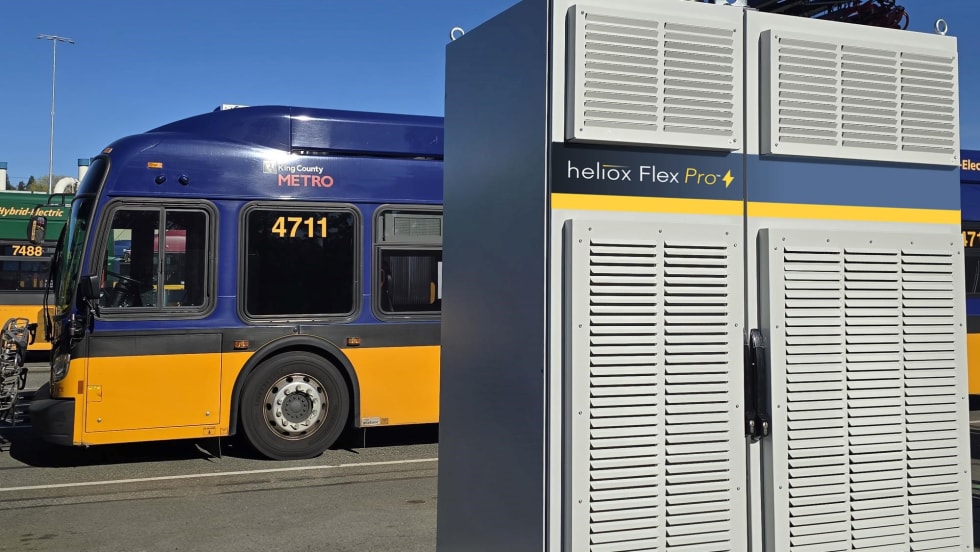
Heliox Pilots 480-kW Bus Charger with King County Metro
King County Metro is piloting Heliox’s new 480-kW Flex Pro charger to support expansion of its battery-electric bus fleet and depot charging infrastructure. The compact charging system supports pantograph and plug-in charging configurations for high-density transit operations.
Read More →