




FLEET Act Would Green U.S. Postal Fleet
A federal bill introduced in late January would authorize the U.S. Postal Service to use energy savings performance contracts to improve the efficiency of its fleet of delivery vehicles.
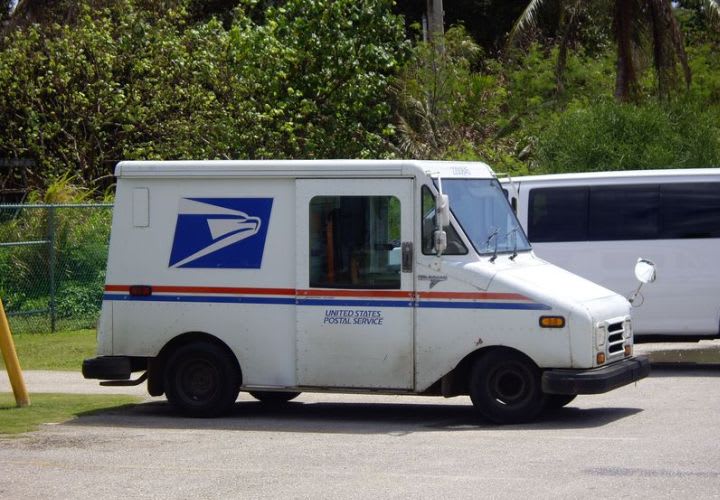
Photo via Wikimedia.
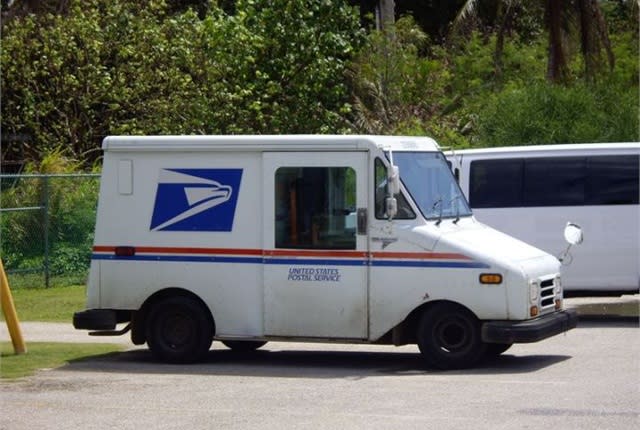
Photo via Wikimedia.
A federal bill introduced in late January would authorize the U.S. Postal Service to use energy savings performance contracts to improve the efficiency of its fleet of delivery vehicles.
The bill, HR 3963, is known as the Federal Leadership Energy Efficient Transportation (FLEET) Act. Reps. Jared Huffman (D-Calif.) and Gerry Connolly (D-Va.) co-sponsored the proposal.
The FLEET Act would set tailpipe emissions standards for new fleet vehicles at 34.1 mpg; require USPS to replace aging vehicles requiring costly maintenance; and require USPS to incorporate new technologies to reduce tailpipe emissions.
ESPCs allow companies, governments, and other organizations to finance projects based on the expected energy savings over a 25-year time frame. The contracts are usually used for infrastructure improvements.
Using these contracts could help the USPS, which operates the nation's largest civilian fleet, save about 150 million gallons of fuel a year, according to Huffman.
During fiscal-year 2012, the 212,530 USPS vehicles consumed 148.8 million gallons of fuel and traveled 1.28 billion miles. The USPS spent $1.7 billion on more than 650 million gallons of fuel in 2010, includes fuel for aircraft and contracted vehicles, according to USPS data.
About 80 percent of the USPS' fuel costs stem from contracted transportation services to move mail by truck, airplane, ship, and rail, USPS data shows.
The FLEET Act would require the postal service to reduce its petroleum consumption by 2 percent a year for the next 10 years. The more than 141,000 USPS Grumman LLVs average 10 miles per gallon, according to Huffman.
"The Postal Service is crippled by an inefficient, outdated fleet, and the vast majority of these vehicles are reaching the end of their operational lives," Huffman said. "The FLEET Act will help us invest in a modern, efficient Postal Service fleet. Our nation's largest civilian fleet should serve as a global leader in efficiency and innovation."
Most of the Grumman LLVs are between 18 and 25 years old with an expected life cycle of 24 years. It costs $1.168 per mile to operate USPS vehicles, which includes maintenance costs, according to the 2012 Federal Fleet Report.
Editor's note: View an excerpt of Rep. Huffman's speech from the House floor announcing the act here.
More Green Fleet
Sustainability Partners, Energy Systems Group Help Albuquerque Close the Gap on its 100% Renewable Energy Goal
The eight-site, 6 MW solar project has advanced the city toward 100% renewable energy for municipal operations.
Read More →
Port Authority and CALSTART Launch $45 Million Electric Truck and Charging Programs
The programs aim to boost sustainable operations across the East Coast's busiest seaport.
Read More →
Moving Government Fleets Beyond the Vehicle Purchase: EV as a Service
A discussion on how EVaaS is moving beyond pilot programs and what fleets should consider before beginning a larger deployment.
Read More →
Moving Government Fleets Beyond the Vehicle Purchase: EV as a Service
As fleets move beyond small EV pilots, Sustainability Partners CEO Adam Cain explains how EVaaS can address the infrastructure and long-term planning required for larger deployments.
Read More →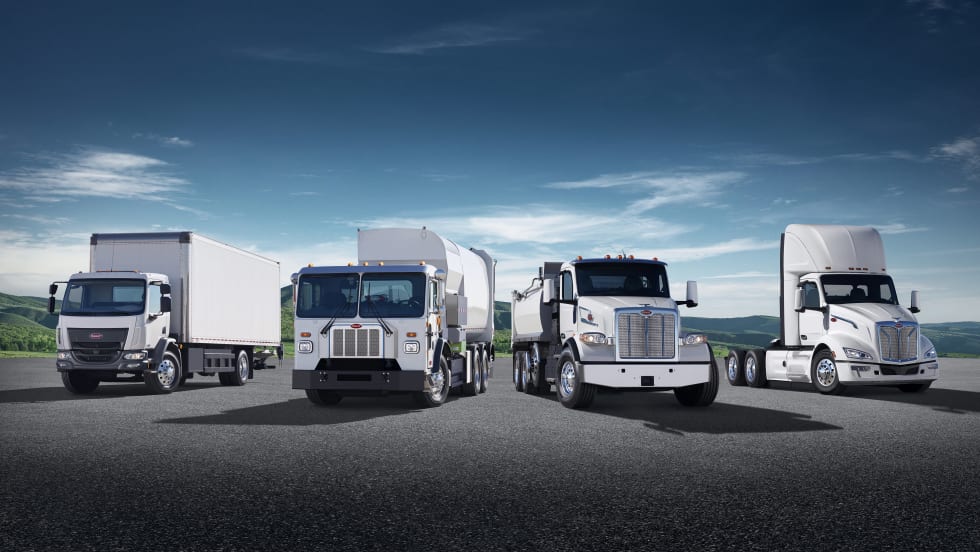
Peterbilt Expands Sourcewell Partnership with Electric Vehicle Lineup
The agreement aims to provide streamlined procurement of Peterbilt trucks for government, education, nonprofit and tribal organizations across the United States and Canada.
Read More →
EV Adoption & Charging Challenges
Where is your fleet in the journey of vehicle electrification? If you're still looking for answers to fleet electrification you've come to the right place.
Read More →
Hawaii Passes Clean Fuel Policy
Hawaii lawmakers passed clean fuel legislation that could support renewable natural gas production, biogas-powered transportation, and lower-carbon fueling options for public and commercial fleets.
Read More →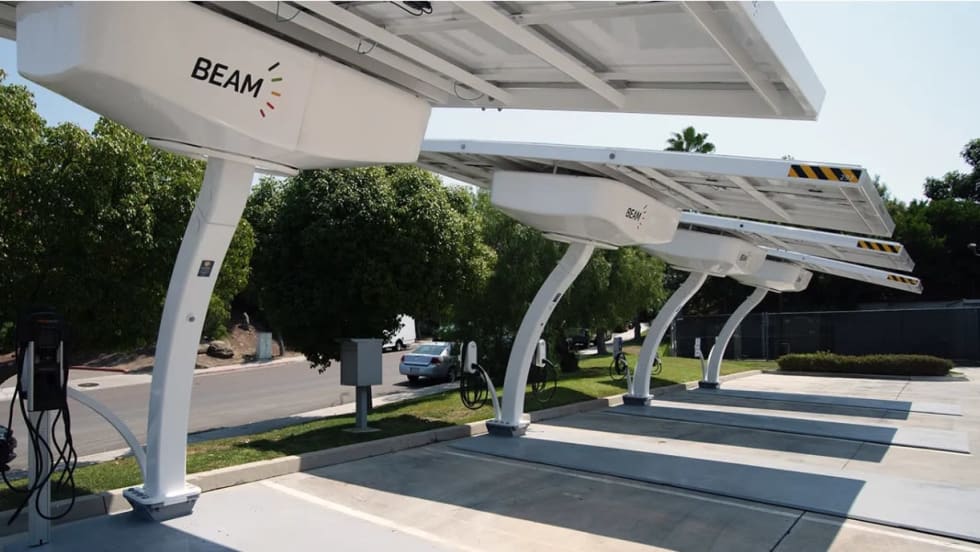
Stanislaus County Deploys Ten Beam Global EV ARC Systems to Support County Fleet Electrification
Stanislaus County deployed 10 off-grid solar-powered EV charging systems and a mobile charging trailer from Beam Global to support its electric fleet operations and emergency response flexibility.
Read More →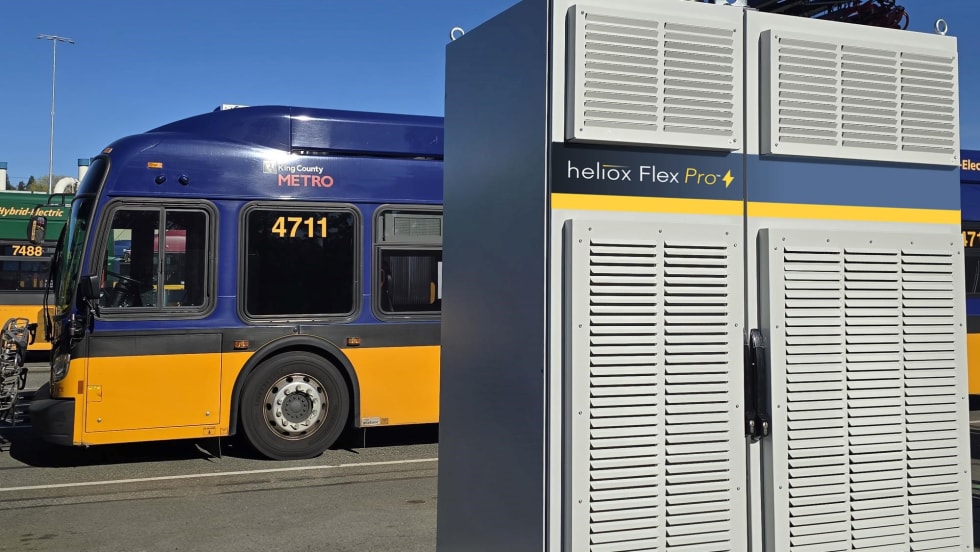
Heliox Pilots 480-kW Bus Charger with King County Metro
King County Metro is piloting Heliox’s new 480-kW Flex Pro charger to support expansion of its battery-electric bus fleet and depot charging infrastructure. The compact charging system supports pantograph and plug-in charging configurations for high-density transit operations.
Read More →