





Related: Chicago Area Clean Cities Recognizes Top Green Fleets
Clean Cities Funding Preserved
U.S. Congressman Paul Gosar did not offer an amendment to the FY-2020 Department of Energy budget, one that would have eliminated funding for the Clean Cities program.
June 24, 2019

Photo via Pixabay
2 min to read
Funding for the Clean Cities program has been preserved as the House of Representatives passed the FY-2020 Energy and Water Appropriations Bill last week. The bill includes $42.3 million for Clean Cities, an increase of $4.5 million over last year.
Last week, U.S. Congressman Paul Gosar (R-AZ) was expected to propose an amendment to the FY-2020 Department of Energy (DOE) budget on the House floor that would have eliminated Clean Cities funding. The clean transportation industry sent a letter to the House of Representatives last week, urging its members to reject the proposed amendment. Transportation Energy Partners and 13 other national trade and non-profit organizations and corporations, as well as more than 260 state and local organizations, signed the letter.
Possibly due to this and other efforts, Congressman Gosar did not offer the amendment to the House floor.
"We're pleased that the outpour of support from Clean Cities coalitions and fleets and business leaders in the Clean Transportation industry were able to convince the author of the amendment to withdraw it, and that was a big victory for Clean Cities and for communities across the country that are looking for cleaner fuels and cleaner vehicles," said Ken Brown of Transportation Energy Partners.
The DOE Clean Cities Program is the agency’s only initiative focused on the deployment of cleaner fuels, advanced technology vehicles, and alternative refueling infrastructure. Federal funding through the DOE has leveraged billions in private investment to enable vehicles using electricity, natural gas, propane, biodiesel, ethanol, and hydrogen to take hold in the marketplace. Clean Cities funds are used in communities across America to help local fleets transition to cleaner fuels and vehicles, and to develop new alternative refueling infrastructure, according to Transportation Energy Partners.
“I think the immediate and overwhelming support that we received from the fleet industry really helped preserve the Clean Cities program that I think is so important to the alternative fuel efforts that we all find ourselves dealing with,” said Richard Battersby, CAFM, CPFP, assistant director of Public Works and executive director of the East Bay Clean Cities Coalition.
More Green Fleet
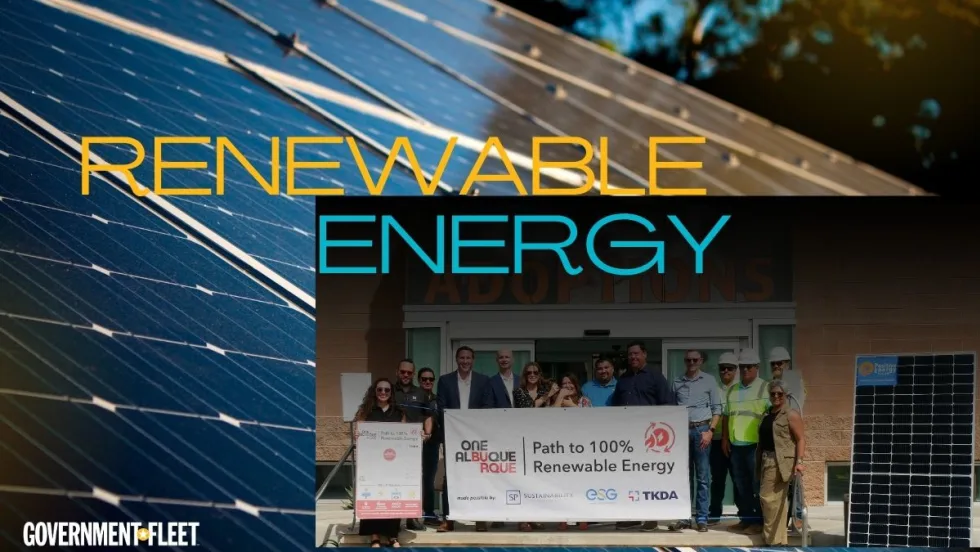
Sustainability Partners, Energy Systems Group Help Albuquerque Close the Gap on its 100% Renewable Energy Goal
The eight-site, 6 MW solar project has advanced the city toward 100% renewable energy for municipal operations.
Read More →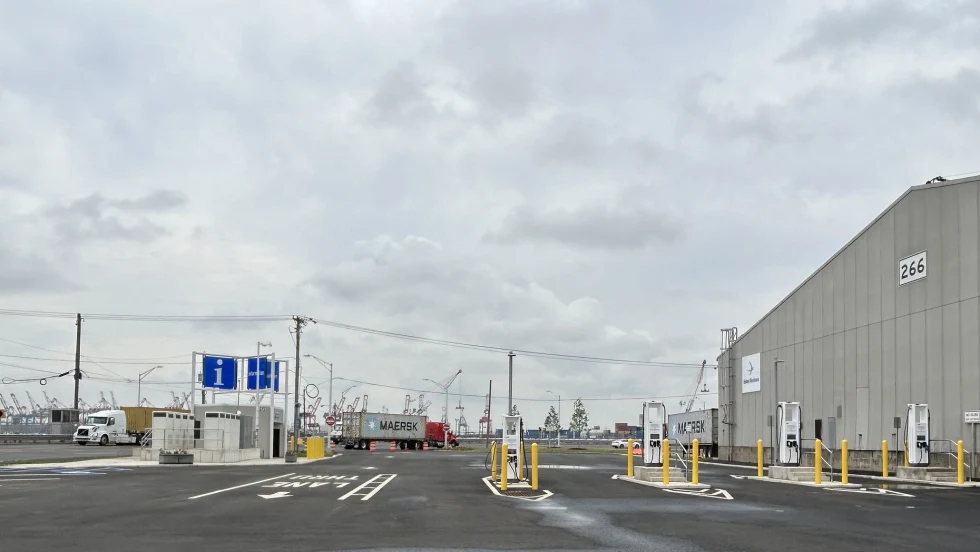
Port Authority and CALSTART Launch $45 Million Electric Truck and Charging Programs
The programs aim to boost sustainable operations across the East Coast's busiest seaport.
Read More →
Moving Government Fleets Beyond the Vehicle Purchase: EV as a Service
A discussion on how EVaaS is moving beyond pilot programs and what fleets should consider before beginning a larger deployment.
Read More →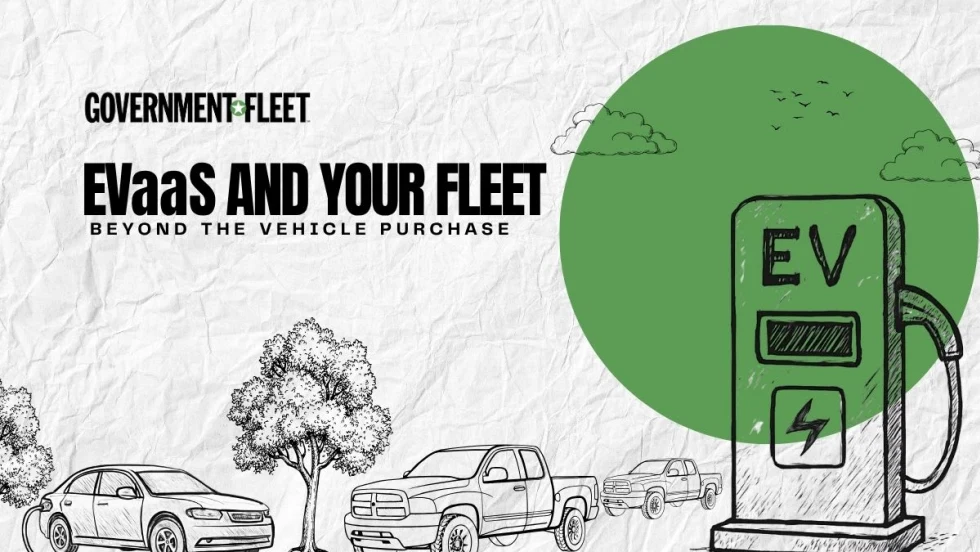
Moving Government Fleets Beyond the Vehicle Purchase: EV as a Service
As fleets move beyond small EV pilots, Sustainability Partners CEO Adam Cain explains how EVaaS can address the infrastructure and long-term planning required for larger deployments.
Read More →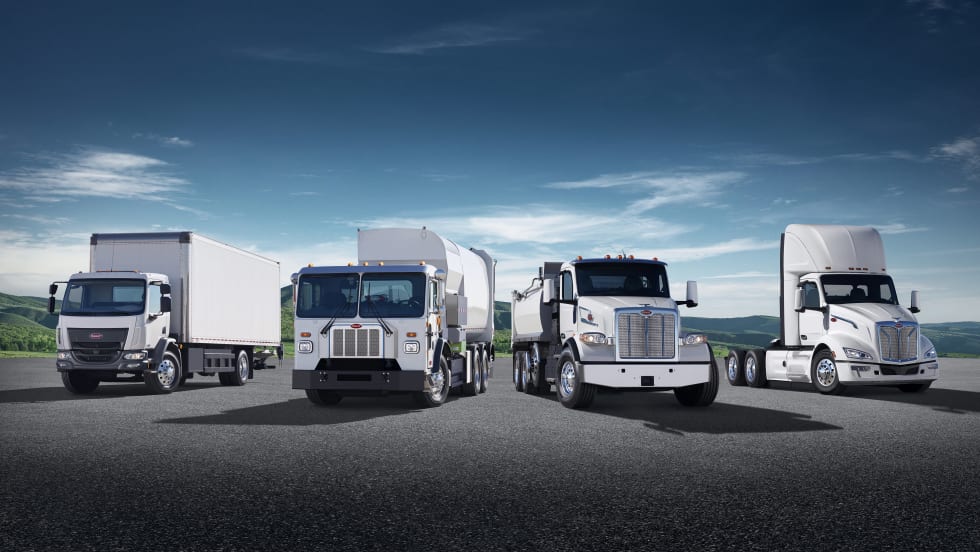
Peterbilt Expands Sourcewell Partnership with Electric Vehicle Lineup
The agreement aims to provide streamlined procurement of Peterbilt trucks for government, education, nonprofit and tribal organizations across the United States and Canada.
Read More →
EV Adoption & Charging Challenges
Where is your fleet in the journey of vehicle electrification? If you're still looking for answers to fleet electrification you've come to the right place.
Read More →
Hawaii Passes Clean Fuel Policy
Hawaii lawmakers passed clean fuel legislation that could support renewable natural gas production, biogas-powered transportation, and lower-carbon fueling options for public and commercial fleets.
Read More →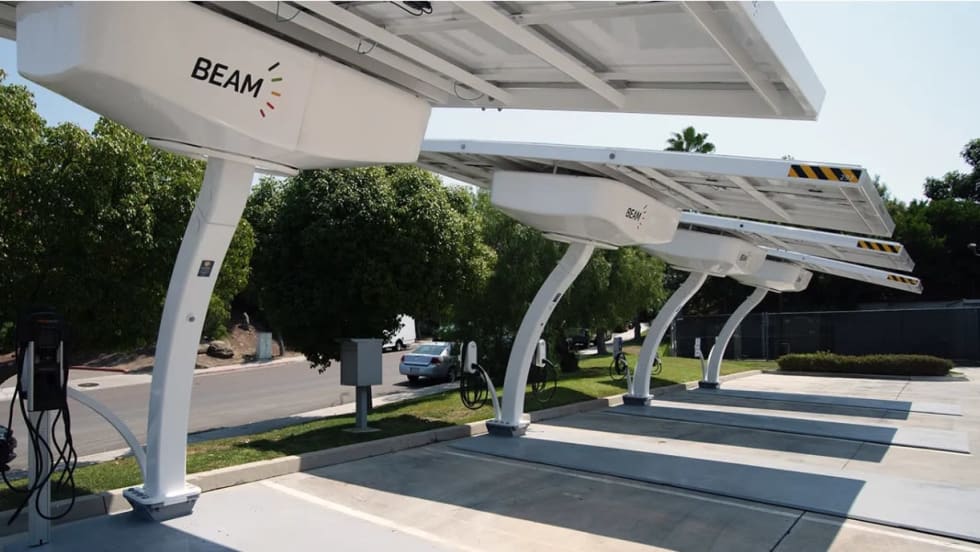
Stanislaus County Deploys Ten Beam Global EV ARC Systems to Support County Fleet Electrification
Stanislaus County deployed 10 off-grid solar-powered EV charging systems and a mobile charging trailer from Beam Global to support its electric fleet operations and emergency response flexibility.
Read More →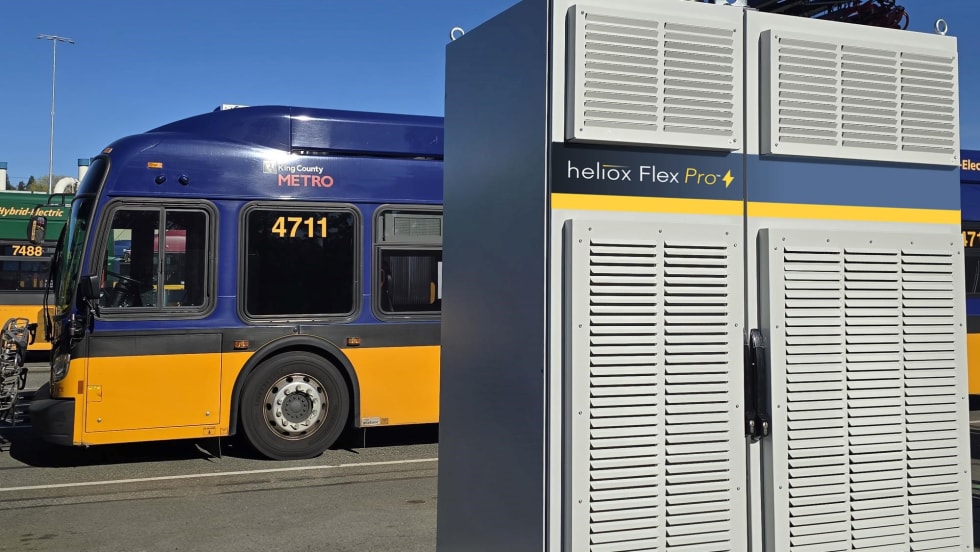
Heliox Pilots 480-kW Bus Charger with King County Metro
King County Metro is piloting Heliox’s new 480-kW Flex Pro charger to support expansion of its battery-electric bus fleet and depot charging infrastructure. The compact charging system supports pantograph and plug-in charging configurations for high-density transit operations.
Read More →