




Clark County Purchases Clean & Local Diesel
LAS VEGAS - Almost half of the Clark County, Nev., vehicle fleet is being fueled with a new low-emission diesel fuel being produced in Nevada after the County signed a one-year clean diesel contract.
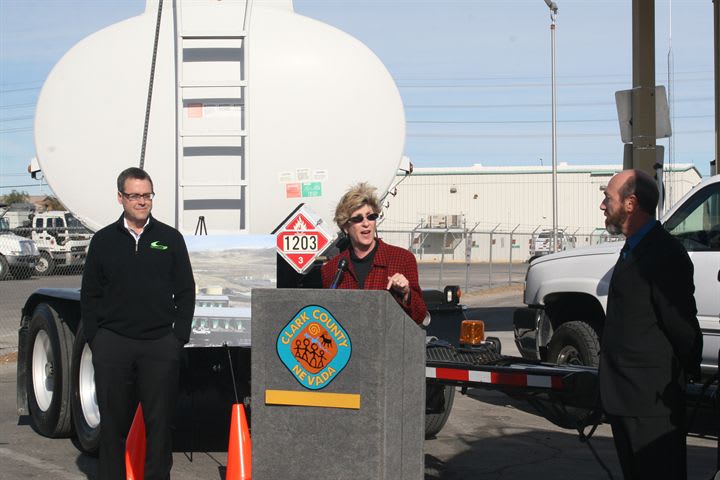
(L-R) Peter Gunnerman, co-founder of Advanced Refining Concepts, Clark County Commissioner Chris Giunchigliani, and David Johnson, manager of Clark County's Automotive Division, kicked off the new clean diesel program on Jan. 20.
LAS VEGAS - Almost half of the Clark County, Nev., vehicle fleet is being fueled with a new low-emission diesel fuel being produced in Nevada after the County signed a one-year clean diesel contract. Clark County Commissioner Chris Giunchigliani visited the County's Automotive Division yard Jan. 20 to kick off the new clean diesel program as part of the County's ongoing energy conservation efforts, according to a release from the City.
In December, the County Commission approved a contract with Advanced Refining Concepts, LLC, (ARC) to supply its new fuel to the County for powering its diesel vehicle fleet and generators. The new fuel, called GDiesel, showed reduced emissions on test runs, and it costs less. The County uses about 1 million gallons of diesel fuel each year and expects to save $50,000 a year in annual fuel costs by using GDiesel, according to the release.
"Clark County has demonstrated an ongoing commitment to conserving energy and protecting our environment," Commissioner Giunchigliani said. "This new fuel is an exciting product because it reduces air pollution, helps conserve energy and it's saving our local taxpayers money at a time when it's more important than ever to control budget costs."
According to Clark County Commission Chair Susan Brager, the County began experimenting with alternative fuel vehicles in the 1990s and currently operates the third-largest vehicle fleet in Nevada. The majority of Clark County's fleet is powered by alternative fuels. Of its 2,798 vehicles and equipment, 1,426 are diesel powered, most of which will now run on GDiesel. The County also operates 537 hybrid vehicles that have gasoline and electric-powered motors, the largest hybrid fleet in the state and the sixth biggest in the nation, according to Automotive Fleet magazine. The County also operates 451 vehicles with cleaner-burning reformulated gasoline (RFG) and 91 vehicles with a combination of compressed natural gas (CNG) and (RFG). The remaining items in the fleet are trailers and equipment, according to the County.
The County's Automotive Services Division tested GDiesel in various vehicles throughout the County and found significant reductions in common air pollutants.
"It's the cleanest-burning diesel fuel that we have been able to find and requires no modifications to our vehicles or equipment," said David Johnson, manager of the County's Automotive Division. "In addition, shuttle bus drivers at the airport noticed during the testing phase that GDiesel doesn't have the strong odor associated with most diesel fuel products."
Clark County's fleet is considered 100 percent alternative fuel under Nevada state law. Ninety percent of the vehicles counties and local governments acquire each year are required to use alternative fuel, and Clark County's fleet exceeds that standard. Emergency response vehicles such as fire trucks are exempt from the alternative fuel requirement. However, the County will begin using the new GDiesel fuel in Fire department vehicles this year, according to the release.
More Green Fleet
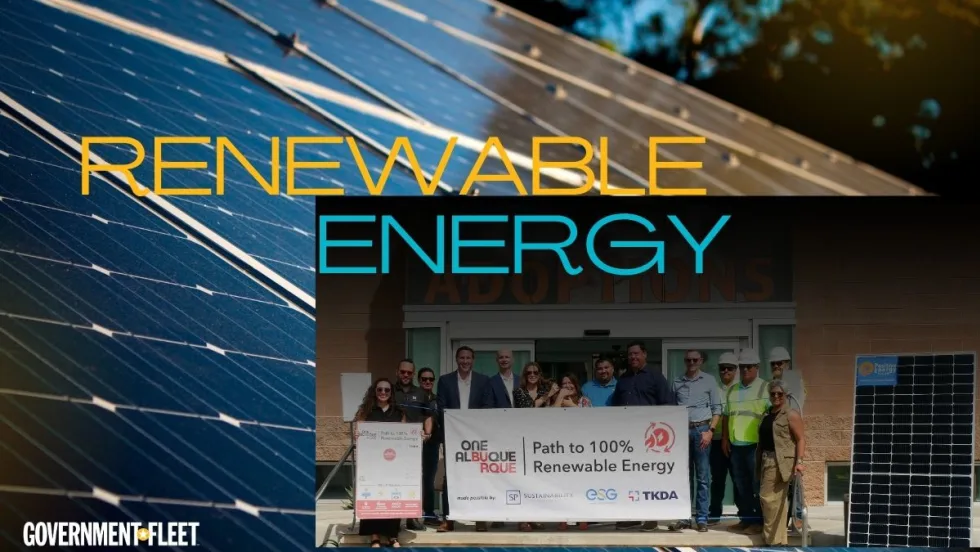
Sustainability Partners, Energy Systems Group Help Albuquerque Close the Gap on its 100% Renewable Energy Goal
The eight-site, 6 MW solar project has advanced the city toward 100% renewable energy for municipal operations.
Read More →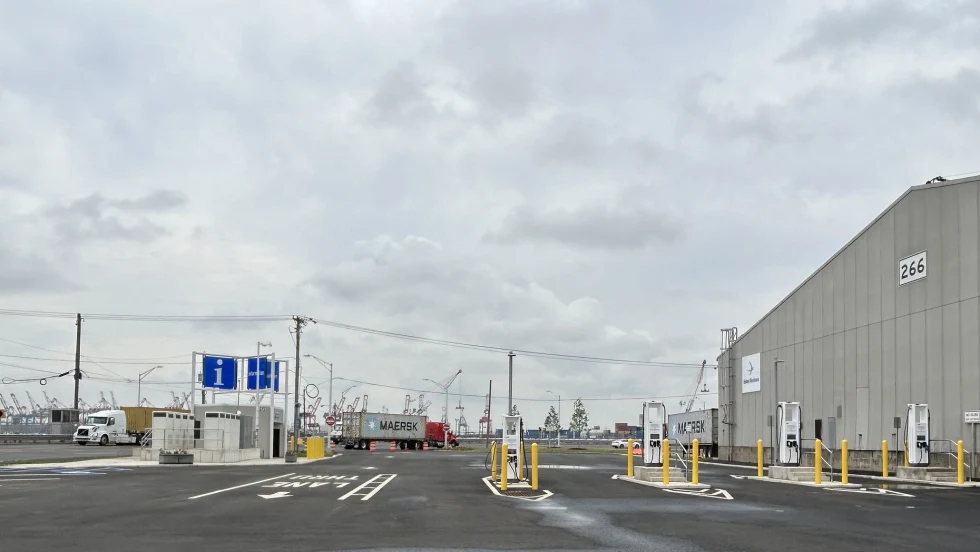
Port Authority and CALSTART Launch $45 Million Electric Truck and Charging Programs
The programs aim to boost sustainable operations across the East Coast's busiest seaport.
Read More →
Moving Government Fleets Beyond the Vehicle Purchase: EV as a Service
A discussion on how EVaaS is moving beyond pilot programs and what fleets should consider before beginning a larger deployment.
Read More →
Moving Government Fleets Beyond the Vehicle Purchase: EV as a Service
As fleets move beyond small EV pilots, Sustainability Partners CEO Adam Cain explains how EVaaS can address the infrastructure and long-term planning required for larger deployments.
Read More →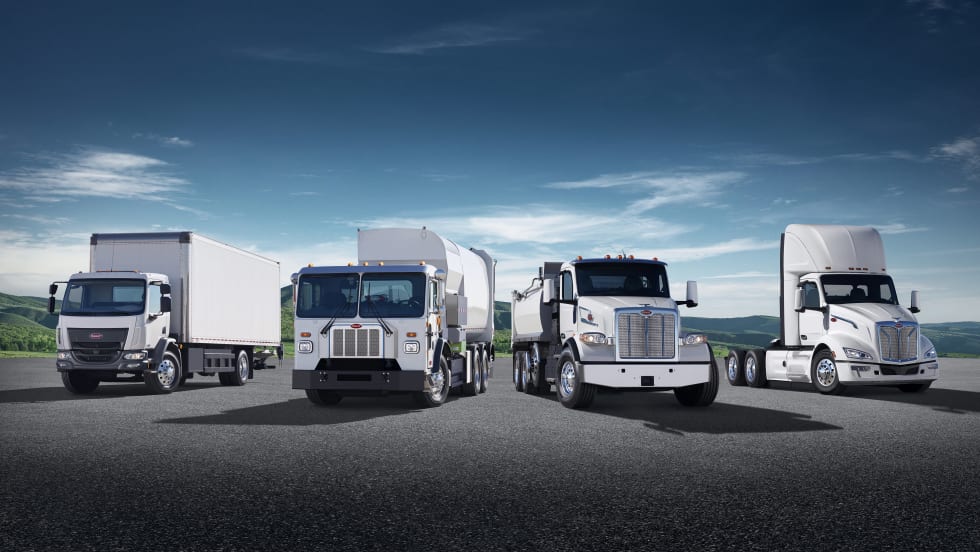
Peterbilt Expands Sourcewell Partnership with Electric Vehicle Lineup
The agreement aims to provide streamlined procurement of Peterbilt trucks for government, education, nonprofit and tribal organizations across the United States and Canada.
Read More →
EV Adoption & Charging Challenges
Where is your fleet in the journey of vehicle electrification? If you're still looking for answers to fleet electrification you've come to the right place.
Read More →
Hawaii Passes Clean Fuel Policy
Hawaii lawmakers passed clean fuel legislation that could support renewable natural gas production, biogas-powered transportation, and lower-carbon fueling options for public and commercial fleets.
Read More →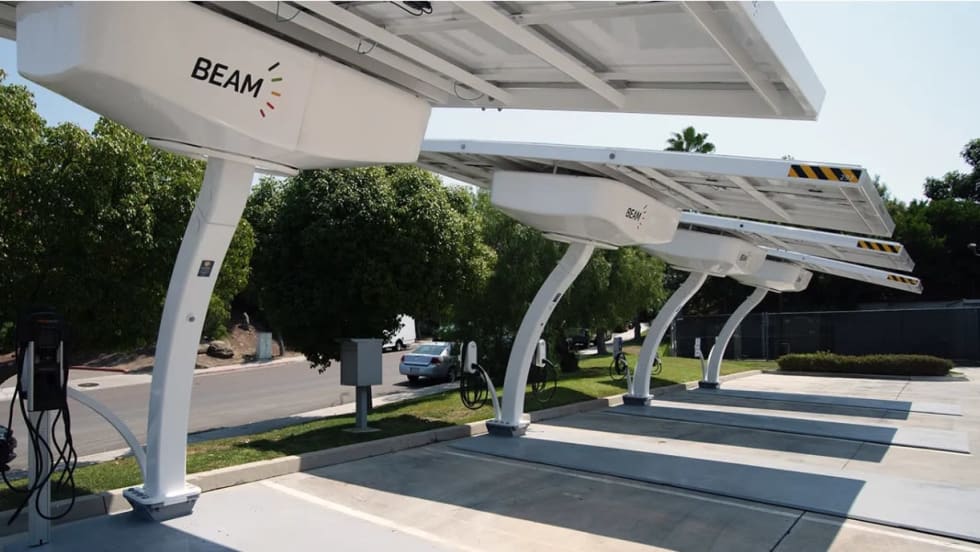
Stanislaus County Deploys Ten Beam Global EV ARC Systems to Support County Fleet Electrification
Stanislaus County deployed 10 off-grid solar-powered EV charging systems and a mobile charging trailer from Beam Global to support its electric fleet operations and emergency response flexibility.
Read More →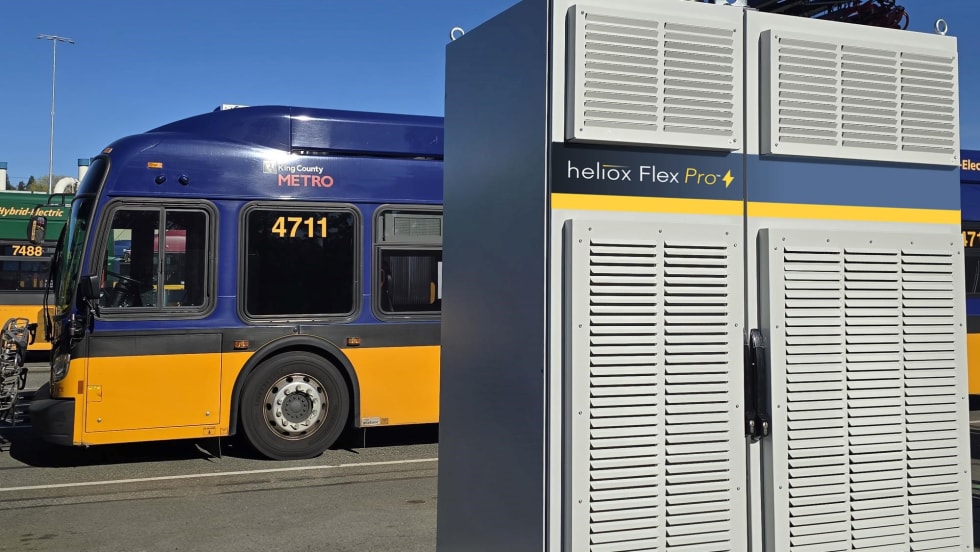
Heliox Pilots 480-kW Bus Charger with King County Metro
King County Metro is piloting Heliox’s new 480-kW Flex Pro charger to support expansion of its battery-electric bus fleet and depot charging infrastructure. The compact charging system supports pantograph and plug-in charging configurations for high-density transit operations.
Read More →