




City of Pocatello Begins Biodiesel Project
POCATELLO, IDAHO – The City of Pocatello is beginning their biodiesel pilot project. A total of five departments in the city are involved in the project and will begin to use biodiesel fuel.
POCATELLO, IDAHO – The City of Pocatello is beginning their biodiesel pilot project. A total of five departments in the city are involved in the project and will begin to use biodiesel fuel, according to the Web site http://www.localnews8.com.
In a statement from Pocatello Mayor Roger Chase’s office, after several months of investigation and planning, the City of Pocatello has initiated a Biodiesel Pilot Project with a portion of the City’s diesel fleet. The current pilot project will be initially conducted with B-20, a mixture of 80 percent No. 2 diesel and 20-percent biodiesel.
Delivery of 7,000 gallons of biodiesel was accepted at the City’s 1st Avenue refueling facility on Aug. 15. Fuel was purchased from the Stinker Store chain in Boise, as the company offered the low bid. Selected vehicles from the Street, Fire, Sanitation, Transit, and Water Departments will be operated on biodiesel for a period of up to six months.
During cold weather, the biodiesel blend will be reduced to B-10 to avoid cold-flow problems. This evaluation process will aid the City in reaching a determination regarding the effectiveness of biodiesel in the City fleet, as well as the costs and benefits associated with using biodiesel for the remainder of City diesel vehicles.
Biodiesel is currently manufactured at only one facility in Idaho and is manufactured using soy products from various Midwestern locations. The State of Idaho and the University of Idaho are involved in plans to develop both an instate source of materials for biodiesel among Idaho agriculture and a market for the product within the State.
More Operations

Rethinking Fleet Decisions From the Budget Office to the Shop
This October we looked back at how public fleets are reconsidering familiar processes and using what they learn to make better decisions.
Read More →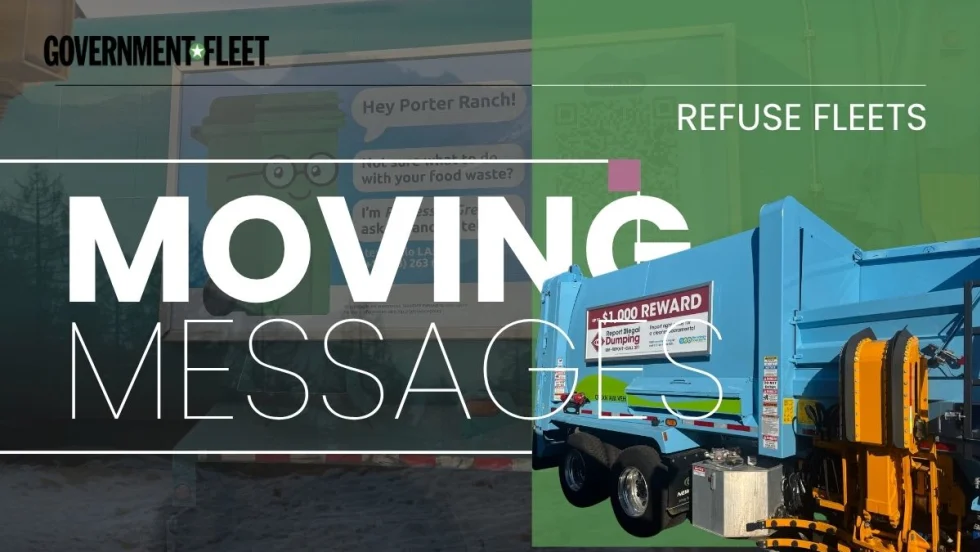
Who Owns the Message on a Refuse Truck?
Refuse trucks can carry public messages into neighborhoods, but keeping those messages current takes planning and clear responsibility.
Read More →
Who Deserves Fleet Recognition and What Could You Teach at GFX?
Who helped shape your fleet career, and what have you learned that could help someone else?
Read More →
What’s Haunting Public Sector Fleets?
Public sector fleet challenges rarely happen in isolation, and addressing one often means understanding how it connects to another.
Read More →
Is Keeping Older Fleet Vehicles Really Saving Money?
Is keeping vehicles longer saving money, and what happens when a diagnostic test points to the wrong fix?
Read More →
How Smart Fleet Strategy Can Help Local Government Agencies Do More with Less
Keeping a vehicle longer may ease this year’s budget, but what does it cost the next one? A closer look at fleet decisions can reveal opportunities to reduce spending while protecting essential services.
Read More →
Connect with Government Fleet on LinkedIn
From industry news and fleet management strategies to conversations with peers, Government Fleet's LinkedIn page offers public-sector fleet professionals another way to stay informed and connected.
Read More →
Town of Queen Creek Named Most Successful Fleet Award Winner of Inaugural RTA Fleet Success Awards
Five fleets were honored at RTA Connect 2026 in Chicago for excellence across resource efficiency, intentional culture, risk management, and stakeholder satisfaction.
Read More →
A buyer's guide to fleet management software in 2027
Buying fleet management software in 2027 means looking beyond features and price. As fleet operations, technology and expectations evolve, this guide explores what today’s fleet professionals should consider when choosing a system that can deliver value now and adapt to what comes next.
Read More →
Hazard Alerts, Fleet Car Sales Rise and a New Shuttle Concept
Fleet car sales doubled, but the bigger picture tells a different story in this week’s roundup.
Read More →