




City of Mansfield Vehicles: Who Drives What Where?
MANSFIELD, OHIO – Mansfield's comparatively large fleet of City-owned vehicles creates a traffic jam of unanswered questions.
MANSFIELD, OHIO – Mansfield’s comparatively large fleet of City-owned vehicles creates a traffic jam of unanswered questions, according to http://www.centralohio.com.
Who has them? What is the annual cost to taxpayers? How is use of the vehicles regulated? Few clear answers emerged during a three-month study by the News Journal.
Mansfield allows 55 city employees, about 10 percent of its workforce, to drive to and from work in City-owned vehicles. The list of employees eligible for this service hadn’t been updated since 2005, until the News Journal asked for fresh information.
Todd Dilley, formerly the city’s sewer operations manager, and Carl “Mike” Dilley, formerly its maintenance supervisor, haven’t worked for Mansfield since 2006. They were among five former city supervisors sentenced to federal prison on public corruption charges.
No residency restrictions are placed on employees using city-owned vehicles. According to available data, of the 55 workers permitted to take vehicles home, 42 live in the city. Of the remaining 13, five live in Bellville, four in Lexington, two in Lucas, one in Shelby, and one in Ashland County.
Mayor Lydia Reid acknowledged no limits exist on how far an employee can commute with a city-owned car, however, she said it is something they should look into.
City officials don’t know what it costs to let workers drive vehicles home. They said costs and benefits have not been studied for years. Mansfield’s fleet of cars taken home is bigger than those of three Ohio cities of similar size, Springfield, Lima, and Hamilton.
The City Council said it’s up to the mayor or other elected officials with departments under their control to set policies governing who takes a city vehicle home.
More Operations

Rethinking Fleet Decisions From the Budget Office to the Shop
This October we looked back at how public fleets are reconsidering familiar processes and using what they learn to make better decisions.
Read More →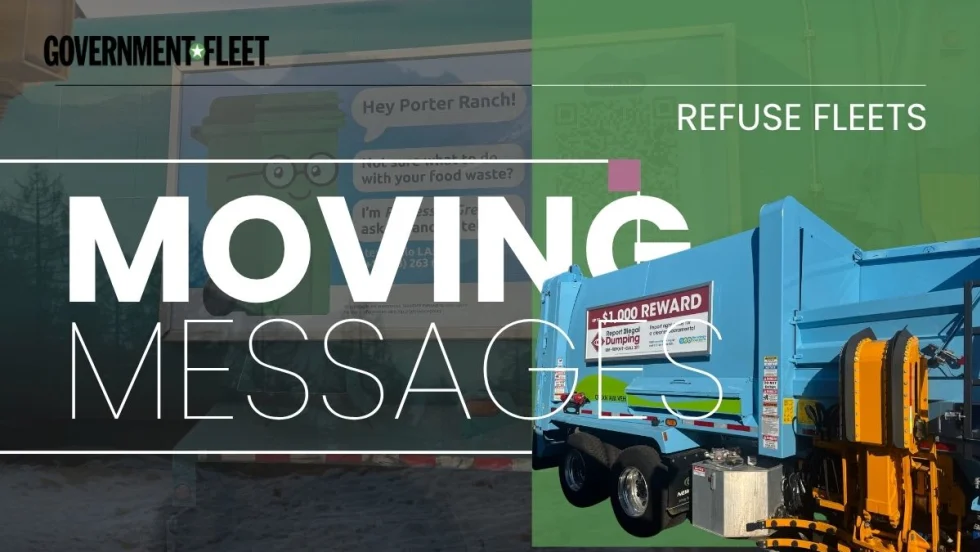
Who Owns the Message on a Refuse Truck?
Refuse trucks can carry public messages into neighborhoods, but keeping those messages current takes planning and clear responsibility.
Read More →
Who Deserves Fleet Recognition and What Could You Teach at GFX?
Who helped shape your fleet career, and what have you learned that could help someone else?
Read More →
What’s Haunting Public Sector Fleets?
Public sector fleet challenges rarely happen in isolation, and addressing one often means understanding how it connects to another.
Read More →
Is Keeping Older Fleet Vehicles Really Saving Money?
Is keeping vehicles longer saving money, and what happens when a diagnostic test points to the wrong fix?
Read More →
How Smart Fleet Strategy Can Help Local Government Agencies Do More with Less
Keeping a vehicle longer may ease this year’s budget, but what does it cost the next one? A closer look at fleet decisions can reveal opportunities to reduce spending while protecting essential services.
Read More →
Connect with Government Fleet on LinkedIn
From industry news and fleet management strategies to conversations with peers, Government Fleet's LinkedIn page offers public-sector fleet professionals another way to stay informed and connected.
Read More →
Town of Queen Creek Named Most Successful Fleet Award Winner of Inaugural RTA Fleet Success Awards
Five fleets were honored at RTA Connect 2026 in Chicago for excellence across resource efficiency, intentional culture, risk management, and stakeholder satisfaction.
Read More →
A buyer's guide to fleet management software in 2027
Buying fleet management software in 2027 means looking beyond features and price. As fleet operations, technology and expectations evolve, this guide explores what today’s fleet professionals should consider when choosing a system that can deliver value now and adapt to what comes next.
Read More →
Hazard Alerts, Fleet Car Sales Rise and a New Shuttle Concept
Fleet car sales doubled, but the bigger picture tells a different story in this week’s roundup.
Read More →