




City of Livonia to Save on Fuel Costs with Investment in Propane-Autogas Fueling Station
The City expects to save more than $1 per gallon of fuel for its propane-autogas vehicles with the installation of its own propane-autogas fueling station. This savings will come from no longer having to pay for drop shipments of propane.
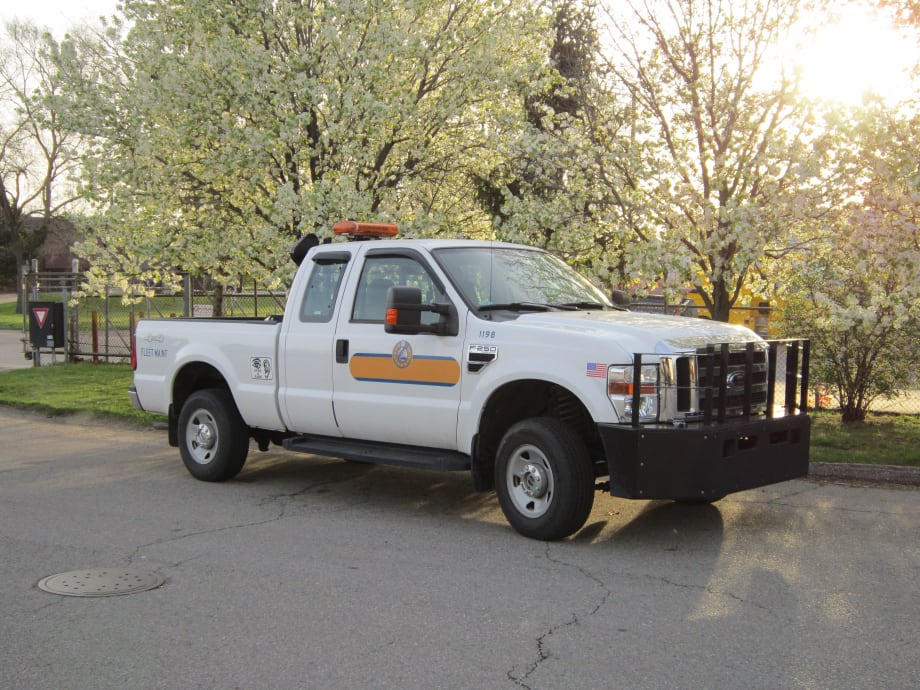
The City of Livonia has three ROUSH CleanTech Ford F-250 trucks that run on propane-autogas.
The City of Livonia has three ROUSH CleanTech Ford F-250 trucks that run on propane-autogas.
The City of Livonia, Mich. is in the final stage of opening its own refueling station for propane-autogas-powered vehicles in its fleet. Superintendent of Public Utilities Don Rohraff expects to have the station live within a month.
“All that’s left to do is finish training the employees who will be using the fueling station to refuel vehicles and complete a final state inspection,” Rohraff explained.
Currently, the City receives drop shipments of propane, forcing the buses, mowers, and trucks to meet up at the drop site or a local hardware store to refuel.
The station will support the three ROUSH CleanTech Ford E-450 Cutaway buses that run in the Livonia Community Transit. The conversion of the three buses to propane autogas began in May 2012. Livonia implemented the vehicles in order to reduce fuel costs and run its fleet vehicles on a cleaner, alternative fuel.
Additionally, three ROUSH CleanTech Ford F-250 trucks in use in Public Works and eight propane-powered mowers in Parks and Recreations will benefit from the station.
On average, using propane generates a savings of about $1 per gallon in comparison to using regular gas. While Livonia does not have a true cost savings available to date, Rohraff said the City saves $0.50 per gallon after factoring in the cost for the drop-shipments of propane.
“The fueling station will allow us to save excess of a dollar since we will no longer have to pay for the drop shipments,” Rohraff said.
The City plans to reinvest the money it saves in additional equipment and vehicles.
“We are looking at adding one or two more buses to the fleet by this fall,” Rohraff said.
Rohraff said there is a slight decrease in the number of miles per gallon a vehicle achieves using propane, but the benefits outweigh the costs. There is no difference in the power and torque of the vehicles in comparison to using regular gas, and Rohraff has so far experienced less wear and tear on the vehicles.
“The frequency of maintenance service on the vehicles has gone down along with the wear and tear on parts because the propane burns hotter and cleaner,” Rohraff said. “Instead of having to take it in every 3,000, it has extended to 5,000 miles. Hopefully, the life of the buses will be above the average 100,000 miles, as well.”
By Kirsti Correa
More Green Fleet
Sustainability Partners, Energy Systems Group Help Albuquerque Close the Gap on its 100% Renewable Energy Goal
The eight-site, 6 MW solar project has advanced the city toward 100% renewable energy for municipal operations.
Read More →
Port Authority and CALSTART Launch $45 Million Electric Truck and Charging Programs
The programs aim to boost sustainable operations across the East Coast's busiest seaport.
Read More →
Moving Government Fleets Beyond the Vehicle Purchase: EV as a Service
A discussion on how EVaaS is moving beyond pilot programs and what fleets should consider before beginning a larger deployment.
Read More →
Moving Government Fleets Beyond the Vehicle Purchase: EV as a Service
As fleets move beyond small EV pilots, Sustainability Partners CEO Adam Cain explains how EVaaS can address the infrastructure and long-term planning required for larger deployments.
Read More →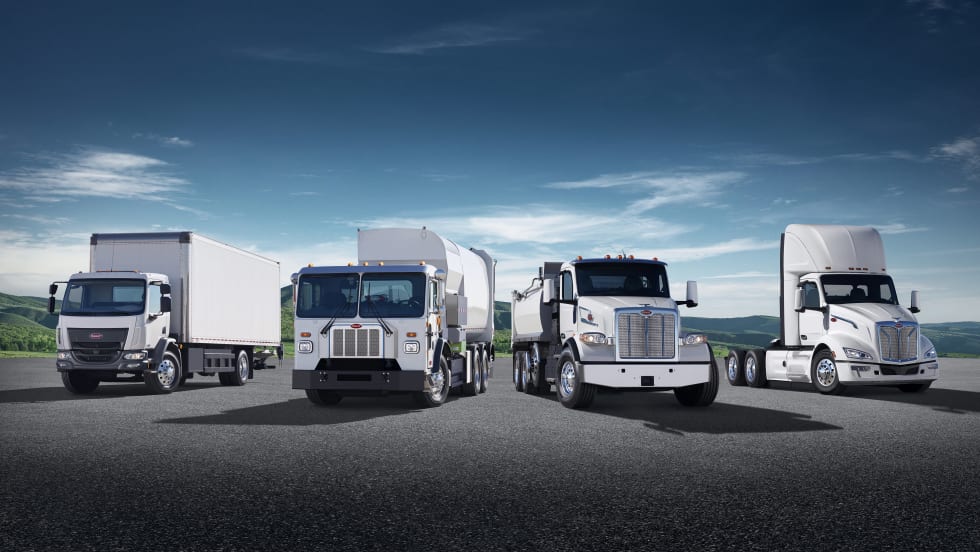
Peterbilt Expands Sourcewell Partnership with Electric Vehicle Lineup
The agreement aims to provide streamlined procurement of Peterbilt trucks for government, education, nonprofit and tribal organizations across the United States and Canada.
Read More →
EV Adoption & Charging Challenges
Where is your fleet in the journey of vehicle electrification? If you're still looking for answers to fleet electrification you've come to the right place.
Read More →
Hawaii Passes Clean Fuel Policy
Hawaii lawmakers passed clean fuel legislation that could support renewable natural gas production, biogas-powered transportation, and lower-carbon fueling options for public and commercial fleets.
Read More →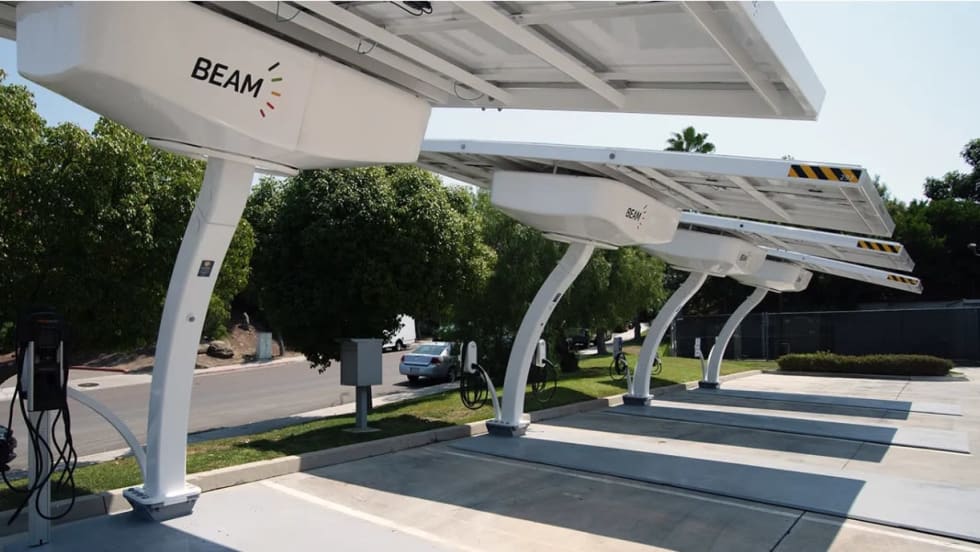
Stanislaus County Deploys Ten Beam Global EV ARC Systems to Support County Fleet Electrification
Stanislaus County deployed 10 off-grid solar-powered EV charging systems and a mobile charging trailer from Beam Global to support its electric fleet operations and emergency response flexibility.
Read More →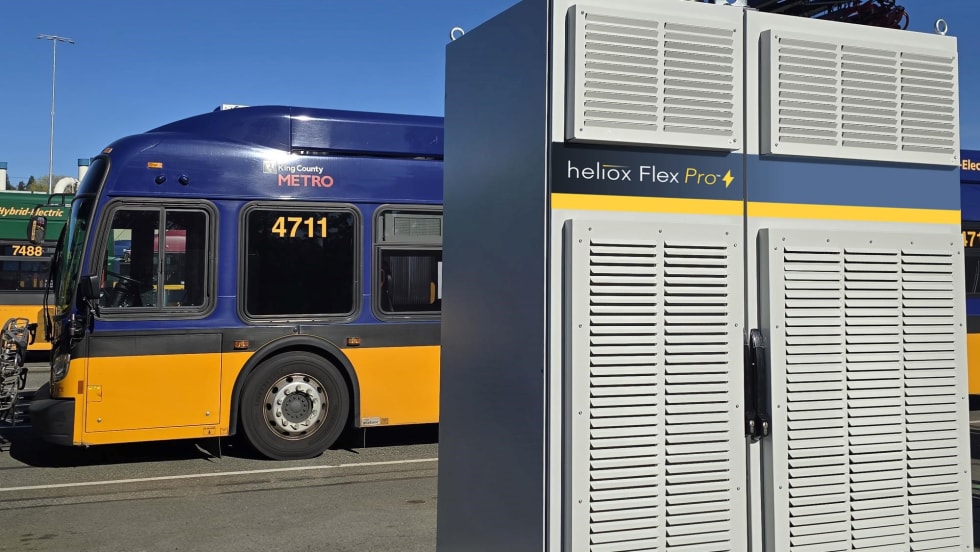
Heliox Pilots 480-kW Bus Charger with King County Metro
King County Metro is piloting Heliox’s new 480-kW Flex Pro charger to support expansion of its battery-electric bus fleet and depot charging infrastructure. The compact charging system supports pantograph and plug-in charging configurations for high-density transit operations.
Read More →