




City of Bangor to Convert Fleet to Biodiesel to Resolve Complaints
BANGOR, ME — The City of Bangor has agreed to pay a nearly $60,000 fine and convert its fleet of vehicles to clean-burning biodiesel to resolve hazardous waste and clean water complaints by the federal government, according to the Associated Press on December 8.
BANGOR, ME — The City of Bangor has agreed to pay a nearly $60,000 fine and convert its fleet of vehicles to clean-burning biodiesel to resolve hazardous waste and clean water complaints by the federal government, according to the Associated Press on December 8. The Environmental Protection Agency said that the agreement calls for the Maine city to pay $165,432 to convert its vehicles to the alternative fuel made in part from soy beans. The violations were discovered after Bangor opted not to participate in an environmental audit and self-disclosure initiative offered by the EPA in 2001, the agency said. The settlement resolves the EPA´s claims about alleged violations at four of Bangor´s facilities at the site of the former Dow Air Force Base. The EPA claimed that Bangor improperly stored, handled and disposed of hazardous wastes, failed to train personnel or have contingency plans at the city´s Public Works Department, motor pool, aviation fuel and airport facilities. The EPA also claimed that Bangor discharged untreated wastewater from its motor pool into a stream that flows into the Penobscot River. The fine against Bangor totaled $59,586.
More Operations
EV Shifts, Salem’s Rise and GFX 2027
From hybrids and extended-range electric vehicles, to the changes that helped Salem, Oregon, become the No. 1 Leading Fleet.
Read More →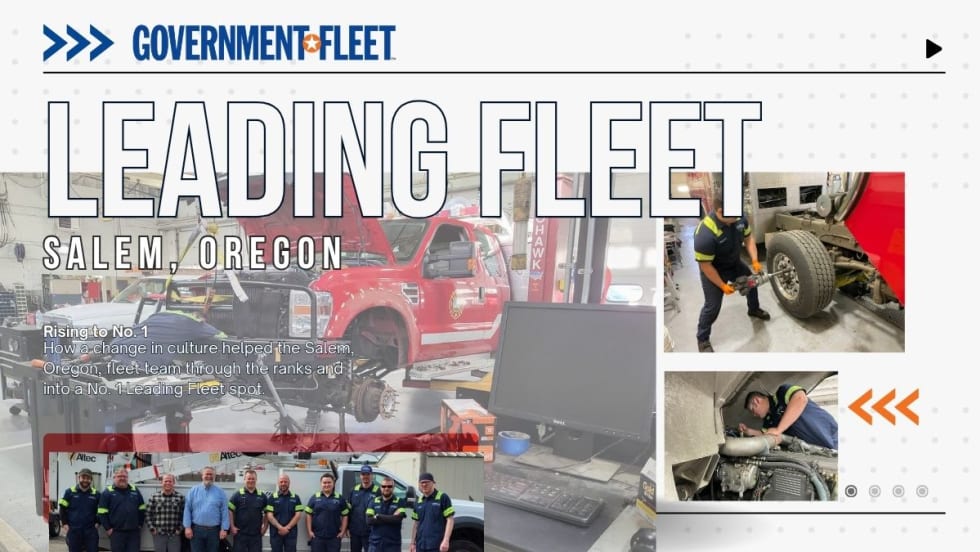
How Salem, Oregon, Turned Culture Change Into a No. 1 Fleet Ranking
Fleet availability reached 98.95% after Salem empowered employees and used performance data to guide years of steady improvement.
Read More →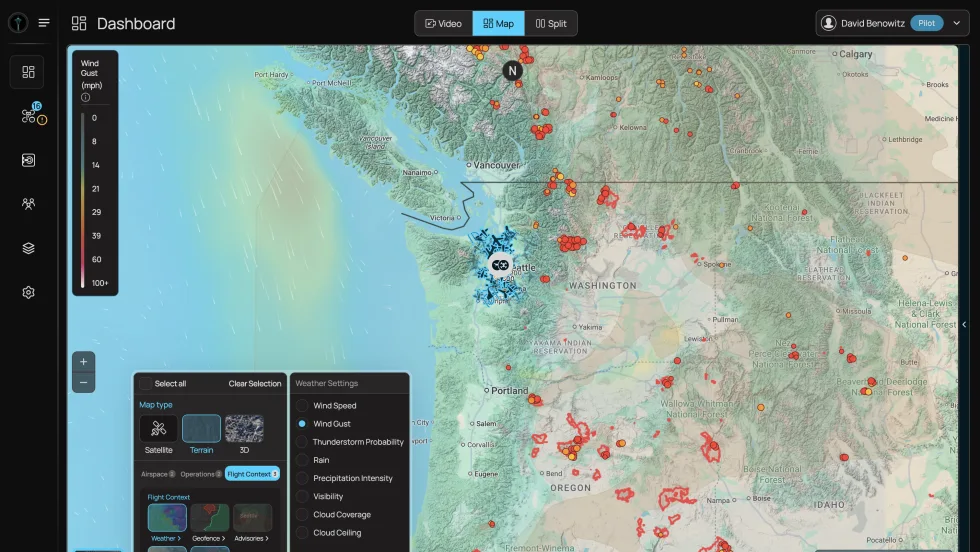
BRINC Drones Adds Free Wildfire and Smoke Tracking as Agencies Across America Battle Active Fires
New map layers give public safety agencies real-time fire detections and smoke conditions integrated directly into LiveOps at no additional cost.
Read More →
Hidden in Plain Sight: Fleet Compliance Risks
Your fleet may have the right policies, but are they being followed consistently? This practical guide highlights six hidden compliance risks that can undermine public sector and shared fleet operations and shares proven approaches to improve oversight, drive accountability, and maintain audit readiness.
Read More →
Dealing With Workplace Fraud in Fleets
Workplace fraud in government organizations can result in significant financial losses, but understanding its causes and implementing effective controls can help mitigate the risk.
Read More →
Mercury Associates Returns to Independent Ownership
New owners John Martin, Brad Smith, and Daniel Reichmann plan to expand Mercury’s analytical capabilities while continuing to grow the CFMO program.
Read More →
Fleet Technology Targets Inspections, EV Procurement, and Parts Sourcing
How new technology is addressing routine operational challenges, from vehicle inspections to cooperative purchasing.
Read More →
Murfreesboro Fire Rescue Orders Three New Aerial Ladder Trucks
As Murfreesboro's population grows, its fire fleet is growing with it. Three new aerial ladder trucks will replace existing frontline apparatus and equip a new ladder company planned for Station 12.
Read More →
Fleetio Launches PartsTech Integration, Helping Fleets Save up to 15 Minutes on Each Purchase Order
Integration brings parts sourcing and ordering into one connected Fleetio workflow to reduce administrative work.
Read More →
What’s Holding Your Fleet Back?
Catch up on the week with news around creating a more structured operation, examining an outdated garage, and more.
Read More →