


Related:
Town of Jonesborough Takes Delivery of Last Refurbished Refuse Truck
 MENU
MENU SEARCH
Mason City, Iowa, is considering eliminating two sanitation positions so it can replace its aging sanitation fleet, as one of four options presented by the mayor and City Council.
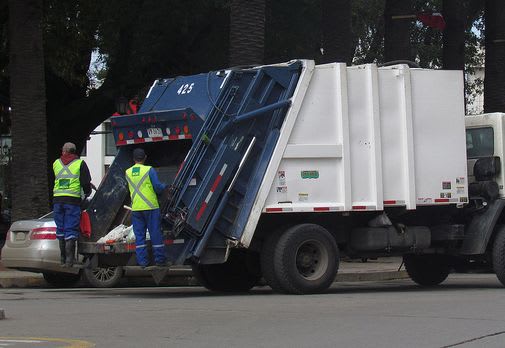
Photo via Flickr/order_242.
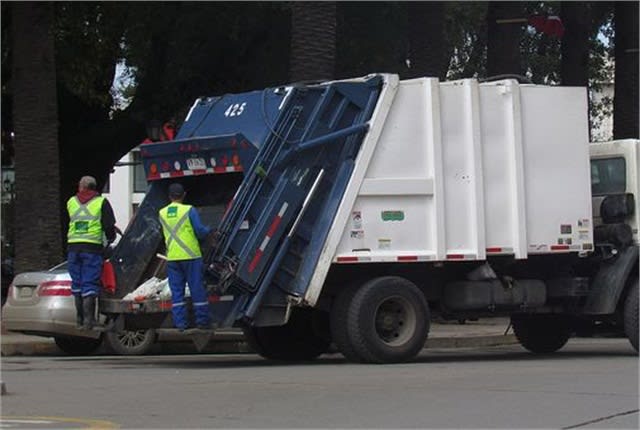
Photo via Flickr/order_242.
Mason City, Iowa, is considering eliminating two sanitation positions so it can replace its aging sanitation fleet, as one of four options presented by the mayor and City Council.
The city has five garbage packer trucks and three recycling trucks. The fleet is aging, and vehicle costs are rising. Because of this, the city’s goal is to replace as many vehicles as possible in the next five years, according to a release.
Eliminating two positions would allow the city to increase sanitation service rate by 10 cents per month for the 2016 and 2017 fiscal years. As a trade-off, routes would take longer to complete. Savings from employee reduction would allow the division to replace a truck each of the next five years.
To keep current service levels and retain the two positions, sanitation service would need to increase its rate by 95 cents per month in FY-2016 and 45 cents per month for FY-17.
A third option would involve raising rates by 15 cents per month for two years and charging for yard waste pick-up by the bag. The city could keep the employees under this scenario.
The fourth option increases rates by 10 cents per year for two years, eliminates two sanitation employees, and creates two swing worker positions who split their time between sanitation and another department. This would allow the division to replace a truck in four of the next five years.
Residents now pay $10.05 per month for sanitation services. Each truck is estimated to cost $130,000, according to the Globe Gazette.
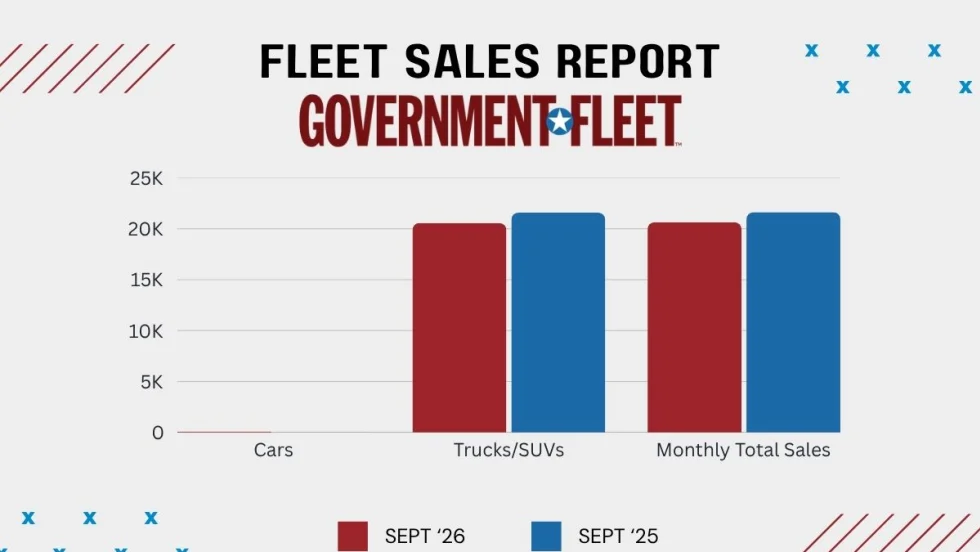
Government fleet car sales rose 112.8% year over year in September, climbing from 39 to 83 units even as total monthly sales declined 4.5%.
Read More →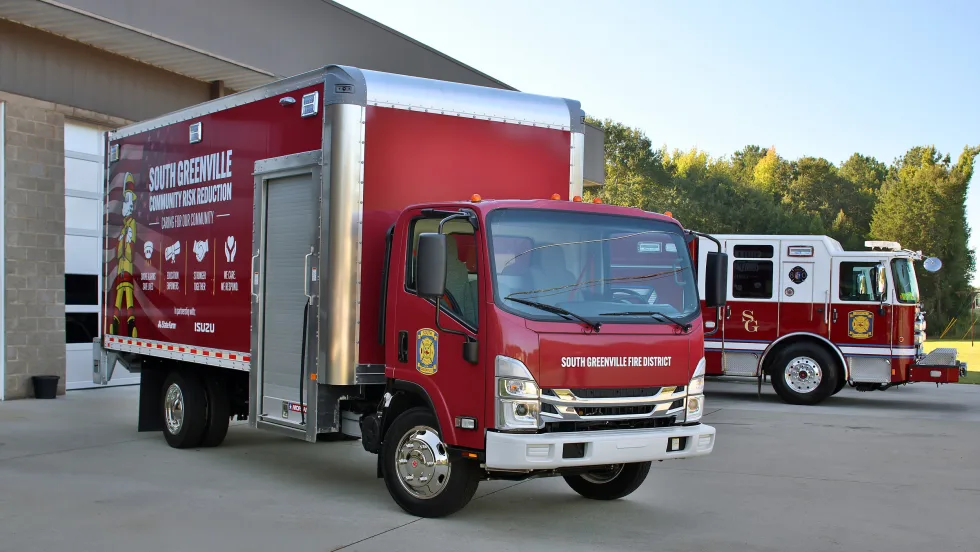
Isuzu NRR equipped with Morgan truck body and PALFINGER liftgate will help support fire safety education, community engagement and outreach programs throughout Southern Greenville County.
Read More →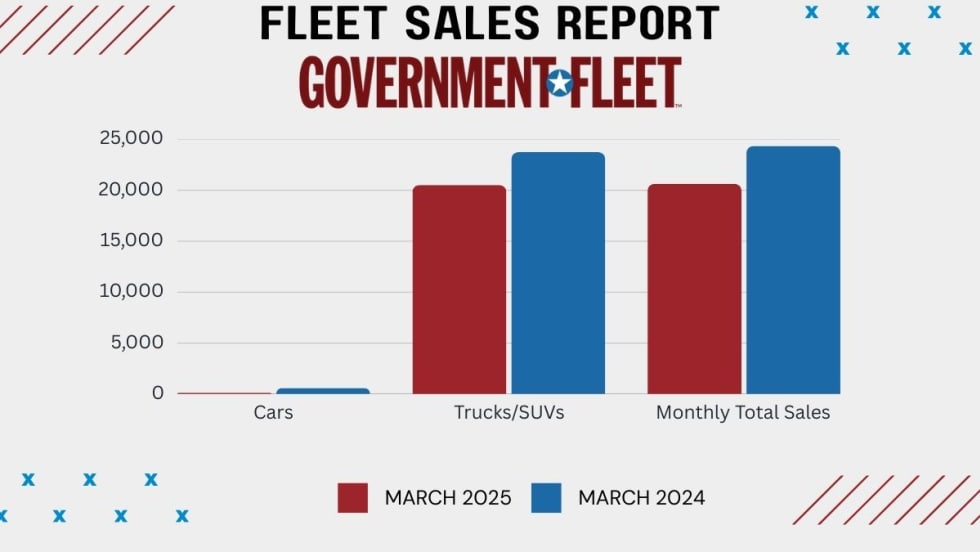
Government fleet sales rose from both January and February monthly totals, which were both under 20,000.
Read More →
A new proclamation signed by President Trump imposes a 25% tariff on imported passenger vehicles and key auto parts, citing national security concerns.
Read More →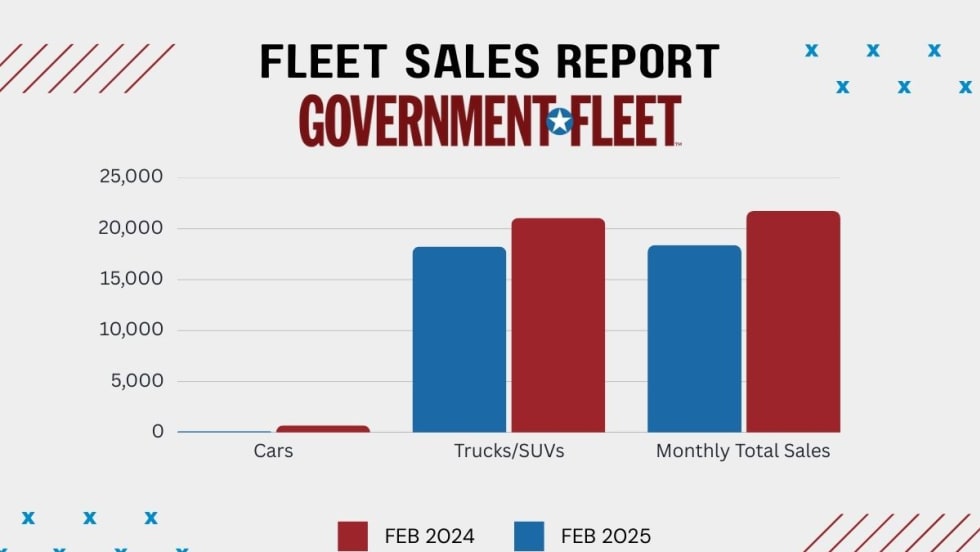
Government fleet sales last month came in at 18,383 vehicles, falling 15.4% from 21,737 in February 2024.
Read More →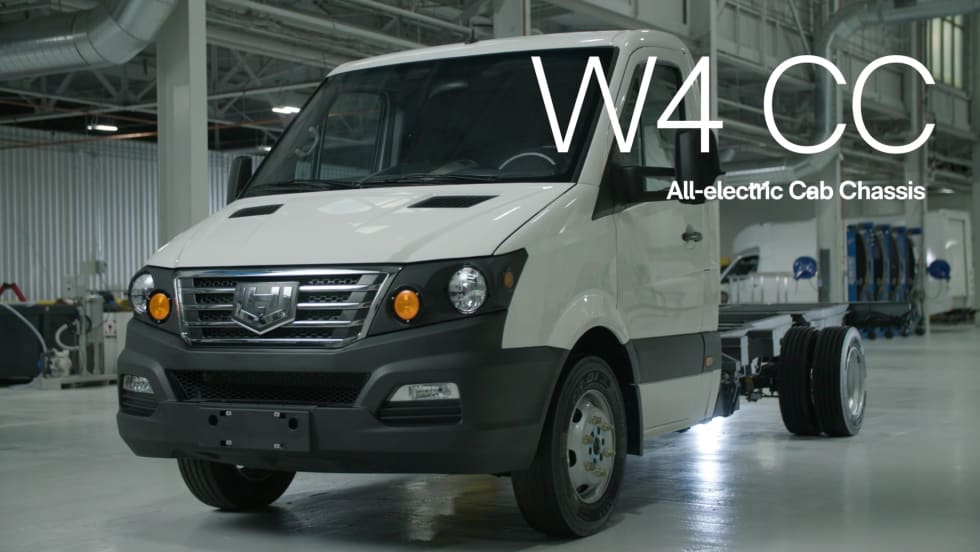
The municipality will deploy two W4 CC electric work trucks for trash and recycling can switch-outs, enhancing the efficiency of its waste management services.
Read More →
When vehicles become harder to acquire, fleet managers must balance keeping vehicles on the road longer while managing the escalating operating costs of older vehicles.
Read More →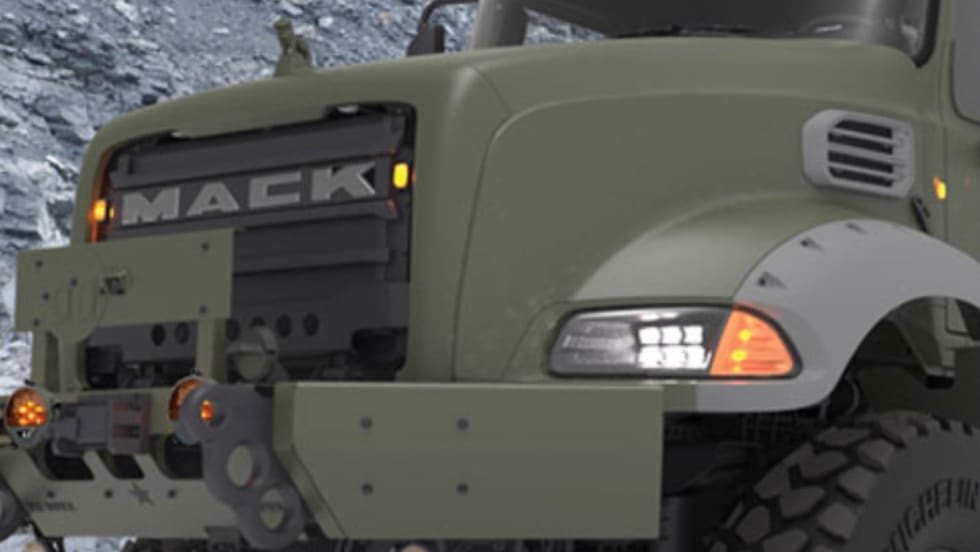
The U.S. Marine Corps awarded Mack Defense a 12-month contract for the initial development of a new Medium Tactical Trucks (MTT) fleet.
Read More →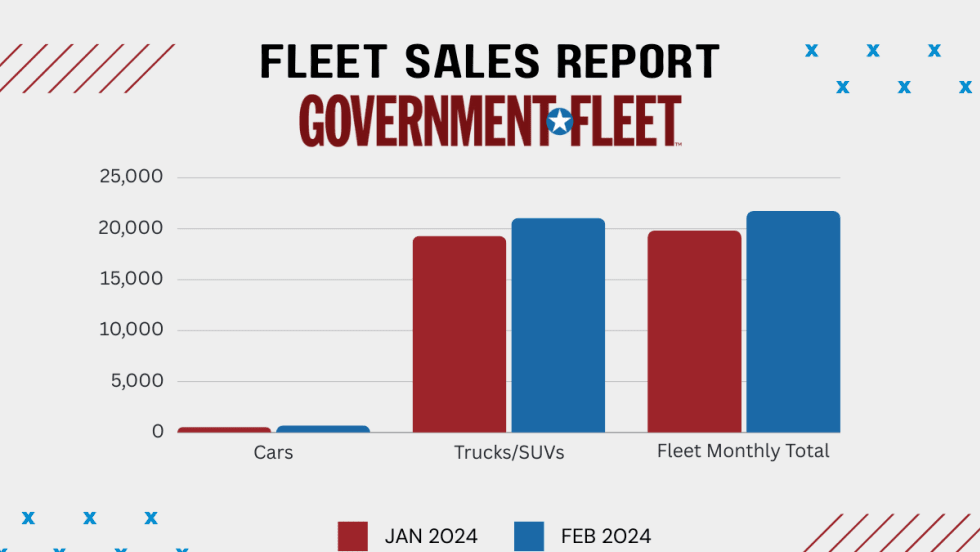
Government vehicle sales continue to rise into 2024 with both car and truck/SUV sales climbing between January and February of 2024, according to Bobit/Government Fleet sales data released March 2.
Read More →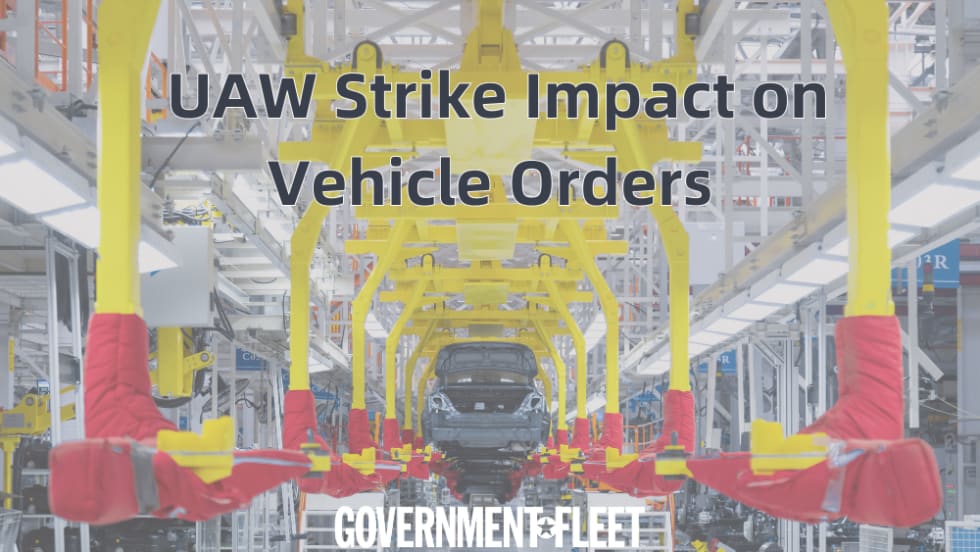
Government Fleet asked the Big 3 how their operations have been in the weeks since the UAW strike ended, with new contracts ratified. Plus, automakers address concerns about vehicle delivery delays.
Read More →