




Chrysler Now Offering Dodge Durango Special Service
Chrysler said the new Durango Special Service will be built at the Jefferson North Assembly Plant in Detroit.

The Dodge Durango Special Service comes with a 3.6L Pentastar V-6 engine as standard.
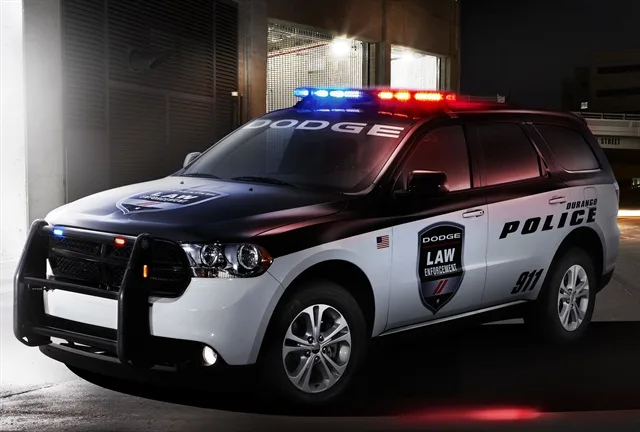
The Dodge Durango Special Service comes with a 3.6L Pentastar V-6 engine as standard.
Earlier this year Chrysler announced its plans to produce a new version of its Dodge Durango for law enforcement and emergency services use. Now, Chrysler said the Dodge Durango Special Service SUV is available, and the automaker expects deliveries to begin in the second quarter of this year (2012).
Chrysler said the new Durango Special Service will be built at the Jefferson North Assembly Plant in Detroit. The vehicle joins the Dodge Charger Pursuit sedan and Ram 1500 Special Service truck, currently available to government fleet customers, at that plant.
The Dodge Durango Special Service comes standard with the Pentastar 3.6L V-6 engine and also offers an available 360 hp 5.7L HEMI V-8. The 3.6L V-6 offers a 550-mile driving range, delivers 290 hp, and has a 7,400-pound towing capacity.
Other special features designed to help the vehicle perform during fleet use include a heavy-duty brake package, a heavy-duty battery, a larger-output 220-amp alternator, and a heavy-duty water pump and engine oil cooler.
The new Special Service model features a customizable rear cargo area with under-floor storage compartments and additional storage in the side compartments. Other changes include a special service interior dome lamp and headliner, spot lamp wiring prep, and the deletion of the third row of seats for more cargo capacity. Even without the third row, the second row still has separate air conditioning and heat controls.
When it comes to safety, the vehicle has similar characteristics as the Dodge Durango, for example the Durango was named a “Top Safety Pick” by the an Insurance Institute for Highway Safety (IIHS). Special Service models also offer customers the same 45 safety and security features, including standard Electronic Stability Control (ESC), electronic roll mitigation (ERM), Hill-start Assist, and standard Trailer-sway Control (TSC).
Other standard safety and security features on the Durango include seat-mounted and side-curtain air bags in the front row. The curtain air bag extends protection to second and third-row passengers (third-row seating deleted in Special Service models). The Durango also includes standard front-row active head restraints.
Chrysler said the new model comes with a 5-year/100,000-mile fully transferrable powertrain warranty.
More Operations
What Can Disappear After a Fleet Crash?
This week, we look at drone footage, what fleets should document before repairs begin, and share a quick poll.
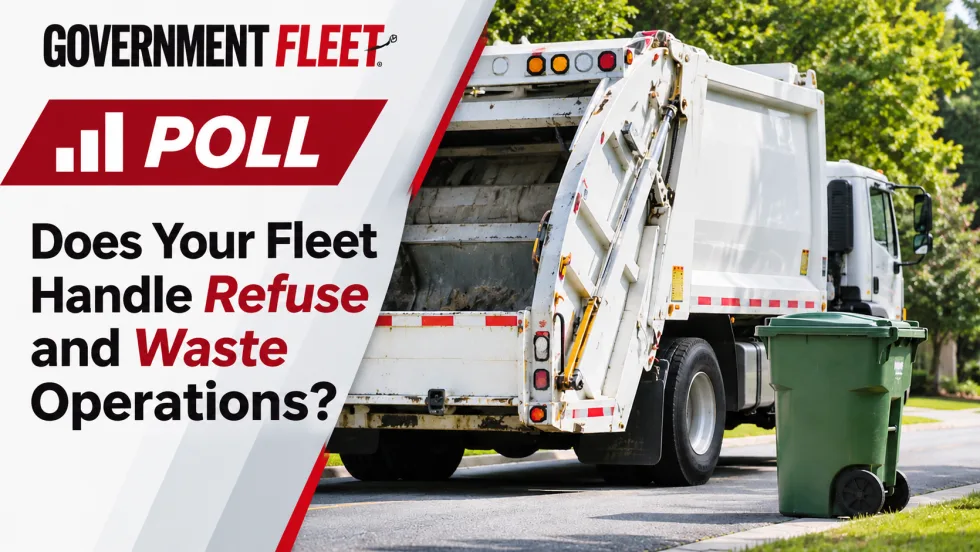
Does Your Government Fleet Handle Refuse and Waste Operations? Take Our Poll
Government Fleet wants to hear from public-sector fleet professionals about their responsibilities for refuse collection and waste management equipment.
Fleet Replacement Decisions, Waste Fleet Technology and the GFX Deadline
Is your next vehicle the right fit, can your records settle a missed pickup dispute, and what could your fleet teach others at GFX 2027?
Is Delaying Fleet Replacement Really Saving Money?
Could delaying replacement cost your fleet more than it saves? This week’s recap takes a closer look, plus an update on GFX 2027.

What Government Fleets Are Missing About Their True Costs
What are fleet budgets missing, and how can agencies use the data they already collect to make a stronger case for change?
Rethinking Fleet Decisions From the Budget Office to the Shop
This October we looked back at how public fleets are reconsidering familiar processes and using what they learn to make better decisions.
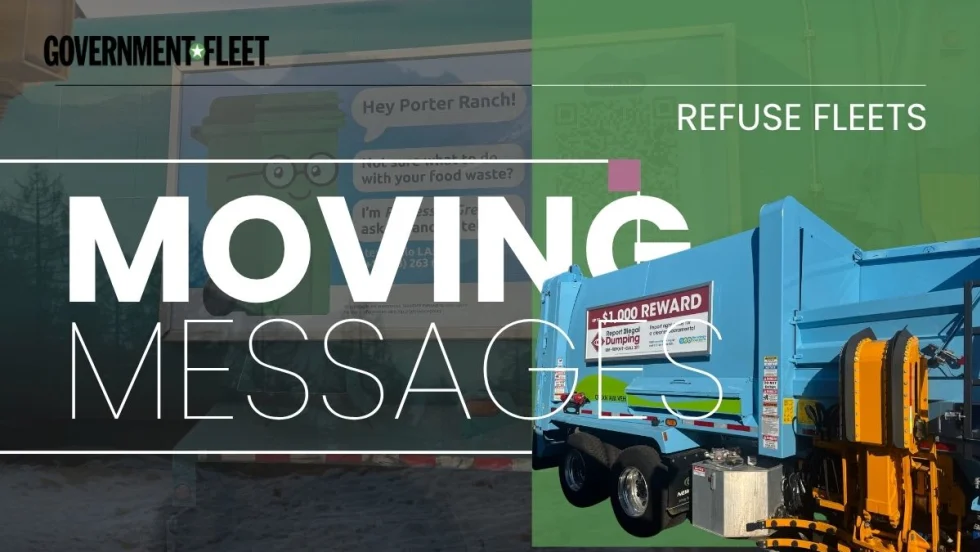
Who Owns the Message on a Refuse Truck?
Refuse trucks can carry public messages into neighborhoods, but keeping those messages current takes planning and clear responsibility.
Who Deserves Fleet Recognition and What Could You Teach at GFX?
Who helped shape your fleet career, and what have you learned that could help someone else?

What’s Haunting Public Sector Fleets?
Public sector fleet challenges rarely happen in isolation, and addressing one often means understanding how it connects to another.

Is Keeping Older Fleet Vehicles Really Saving Money?
Is keeping vehicles longer saving money, and what happens when a diagnostic test points to the wrong fix?