




Related: Chicago Approves Contract to Build Three Fleet Sites
Chicago Agencies Respond to Snow Storm
Twelve days into the month, the City of Chicago is already experiencing its snowiest February in three years. Following last week's snow storm, city agencies have begun response efforts.
by Staff
February 12, 2018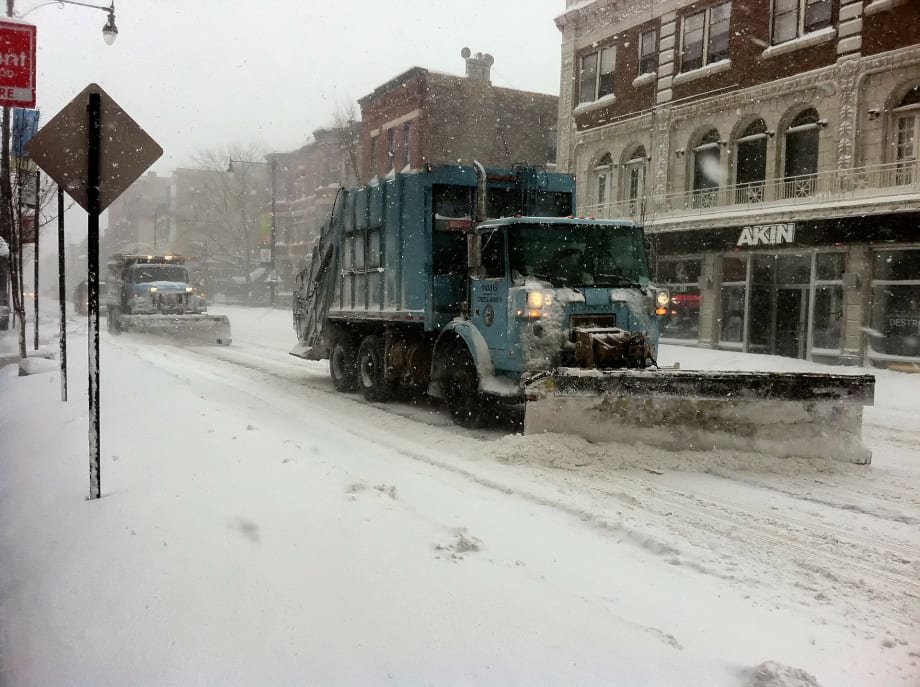
Photo of snow plows in Chicago via Pixabay
1 min to read
Photo of snow plows in Chicago via Pixabay
The City of Chicago was hit with its first major snow storm in several years and city agencies have begun their response efforts, according to a statement from the mayor’s office.
The Department of Streets and Sanitation is monitoring road conditions and has deployed more than 280 salt spreaders to remove snow and spread salt, ensuring streets are safe and passable for motorists and emergency vehicles. During snow events like this, crews first tackle arterial streets to keep the city’s major roadways open, followed by residential streets.
To minimize the impact of weather on operations at O’Hare and Midway airports, the Chicago Department of Aviation has 280 city drivers operating heavy snow equipment to keep runways open. On Friday, the agency announced that airlines proactively canceled more than 700 flights at O-Hare and 250 flights at Midway.
The Chicago Department of Transportation is responsible for clearing snow from protected bike lanes, downtown bridge decks, and some expressway overpasses.
In addition, the Department of Water Management has added crews to address any issues that may arise and the city has a network of facilities designated as “warming centers,” including Chicago Public Library branches.
More Operations

What Can Disappear After a Fleet Crash?
This week, we look at drone footage, what fleets should document before repairs begin, and share a quick poll.

Does Your Government Fleet Handle Refuse and Waste Operations? Take Our Poll
Government Fleet wants to hear from public-sector fleet professionals about their responsibilities for refuse collection and waste management equipment.

Fleet Replacement Decisions, Waste Fleet Technology and the GFX Deadline
Is your next vehicle the right fit, can your records settle a missed pickup dispute, and what could your fleet teach others at GFX 2027?

Is Delaying Fleet Replacement Really Saving Money?
Could delaying replacement cost your fleet more than it saves? This week’s recap takes a closer look, plus an update on GFX 2027.

What Government Fleets Are Missing About Their True Costs
What are fleet budgets missing, and how can agencies use the data they already collect to make a stronger case for change?

Rethinking Fleet Decisions From the Budget Office to the Shop
This October we looked back at how public fleets are reconsidering familiar processes and using what they learn to make better decisions.

Who Owns the Message on a Refuse Truck?
Refuse trucks can carry public messages into neighborhoods, but keeping those messages current takes planning and clear responsibility.

Who Deserves Fleet Recognition and What Could You Teach at GFX?
Who helped shape your fleet career, and what have you learned that could help someone else?

What’s Haunting Public Sector Fleets?
Public sector fleet challenges rarely happen in isolation, and addressing one often means understanding how it connects to another.

Is Keeping Older Fleet Vehicles Really Saving Money?
Is keeping vehicles longer saving money, and what happens when a diagnostic test points to the wrong fix?