




Charleston, S.C. Receives New Fire Engines
The two engines are Pierce Arrow XT models, and they replace a model from 1989 and 1991. The City moved the older models to the reserve fire apparatus fleet.
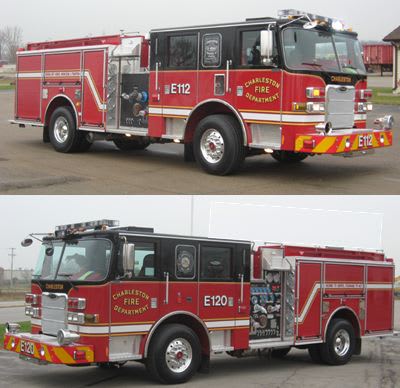
The two new engines replace existing ones, which will be going into the department's reserve fire apparatus pool. Photo courtesy Charleston, S.C. Fire Department.
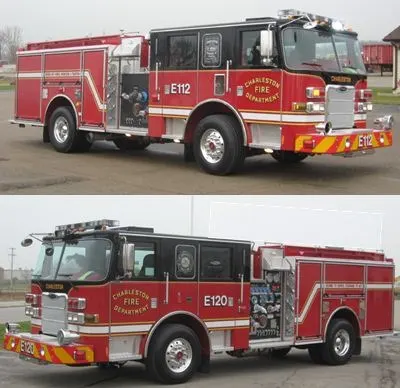
The two new engines replace existing ones, which will be going into the department's reserve fire apparatus pool. Photo courtesy Charleston, S.C. Fire Department.
The Charleston, S.C., fire department has received and put into service two new fire engines. The engines are Pierce Arrow XT models, and they replace a model from 1989 and 1991. The City moved the older models to the reserve fire apparatus fleet.
"The addition of these two engines continues the City's commitment to upgrading the fleet with state of the art apparatus,” said Deputy Fire Chief John Tippet. “The increased firefighting capacity, improved safety features, equipment upgrades, and standardization of the fleet are providing the firefighting force with the best tools to protect the community."
According to the City’s fire department, each new vehicle has been equipped with 1,500 GPM pumps and 750 gallon booster tanks. In addition, each carries 1,400 ft. of supply hose, 1,100 ft. of 2.5-inch hose, 650 ft. of 1.88-inch hose, and a front trash line. Each engine’s body has high side compartments on each side equipped with ladders, pike poles, and back boards (stored inside). Other features include LED warning lights, a seat belt monitoring system, an officer-side speedometer, a generator, and seating for five people. One of the engines has also been equipped with extrication equipment.
More Operations

What Can Disappear After a Fleet Crash?
This week, we look at drone footage, what fleets should document before repairs begin, and share a quick poll.

Does Your Government Fleet Handle Refuse and Waste Operations? Take Our Poll
Government Fleet wants to hear from public-sector fleet professionals about their responsibilities for refuse collection and waste management equipment.

Fleet Replacement Decisions, Waste Fleet Technology and the GFX Deadline
Is your next vehicle the right fit, can your records settle a missed pickup dispute, and what could your fleet teach others at GFX 2027?

Is Delaying Fleet Replacement Really Saving Money?
Could delaying replacement cost your fleet more than it saves? This week’s recap takes a closer look, plus an update on GFX 2027.

What Government Fleets Are Missing About Their True Costs
What are fleet budgets missing, and how can agencies use the data they already collect to make a stronger case for change?

Rethinking Fleet Decisions From the Budget Office to the Shop
This October we looked back at how public fleets are reconsidering familiar processes and using what they learn to make better decisions.

Who Owns the Message on a Refuse Truck?
Refuse trucks can carry public messages into neighborhoods, but keeping those messages current takes planning and clear responsibility.

Who Deserves Fleet Recognition and What Could You Teach at GFX?
Who helped shape your fleet career, and what have you learned that could help someone else?

What’s Haunting Public Sector Fleets?
Public sector fleet challenges rarely happen in isolation, and addressing one often means understanding how it connects to another.

Is Keeping Older Fleet Vehicles Really Saving Money?
Is keeping vehicles longer saving money, and what happens when a diagnostic test points to the wrong fix?