




Casella Waste Systems to Outfit More than 800 Vehicles with OPS-1 On-Board Oil Refining System
SHELTON, CT - Oil Purification Systems (OPS) (www.ops-1.com), developer and manufacturer of the OPS on-board oil refining system, recently announced Casella Waste Systems, Inc., a provider of solid waste, recycling and resource management services in the Northeast, has signed an agreement to outfit nearly 850 vehicles in its fleet with the OPS-1 system.
SHELTON, CT - Oil Purification Systems (OPS), developer and manufacturer of the OPS-1 on-board oil refining system, recently announced Casella Waste Systems, Inc., a provider of solid waste, recycling and resource management services in the Northeast, has signed an agreement to outfit nearly 850 vehicles in its fleet with the OPS-1 system, reported in Business Wire.
Casella expects to significantly extend the time between oil changes on each vehicle, saving time and money on oil maintenance costs, while also minimizing the negative impact to the environment.
Gary Simmons, Casella's vice president of fleet management, said, "We had looked at a number of solutions for extending the oil life on our vehicles, instead of changing it so frequently. With each of our vehicles running more than 2,400 hours per year, and often in tough road and weather conditions, we were able to see very quickly the benefits of the OPS-1 system in extending the life of our engines' oil, and saving the company a substantial amount of money in oil maintenance costs."
Casella installed multiple evaluation units of the OPS-1 system on trucks in Rutland, Vt. and Auburn, N.Y. Instead of changing the oil on each vehicle every 300 hours the engine ran, Casella analyzed an oil sample once a month to measure 27 different attributes, including various wear metals, viscosity and total base number. After each analysis, all levels were found to be within the normal range for each evaluation vehicle. After approximately 3,400 total hours for all vehicles, the evaluation units were still running without an oil drain.
Before using the OPS-1 system, Casella typically changed the oil on a vehicle seven or eight times a year, or about every 300 hours. Casella's current implementation plans include installing the OPS-1 system on the majority of its trucks.
OPS field technicians have begun installing the units at 43 locations, and expect to complete the project in March 2008. Casella is also discussing plans to implement the system on its off-road vehicles in the future. Once the implementation is complete, the company expects to save 200,000 gallons of oil and $600 dollars per vehicle each year. Casella also expects to realize its return on investment in about a year, and over a ten-year period to see a 1,300 percent ROI.
Mitch Weseley, OPS president and CEO, said, "Casella is a company that is well-suited for the OPS-1 system. They are constantly striving to implement technologies that are environmentally-friendly and that promote good corporate citizenship. We are pleased to work with a company like Casella that is a leader in providing waste management solutions, while also promoting a healthy environment."
More Operations
Is Delaying Fleet Replacement Really Saving Money?
Could delaying replacement cost your fleet more than it saves? This week’s recap takes a closer look, plus an update on GFX 2027.
Read More →
What Government Fleets Are Missing About Their True Costs
What are fleet budgets missing, and how can agencies use the data they already collect to make a stronger case for change?
Read More →
Rethinking Fleet Decisions From the Budget Office to the Shop
This October we looked back at how public fleets are reconsidering familiar processes and using what they learn to make better decisions.
Read More →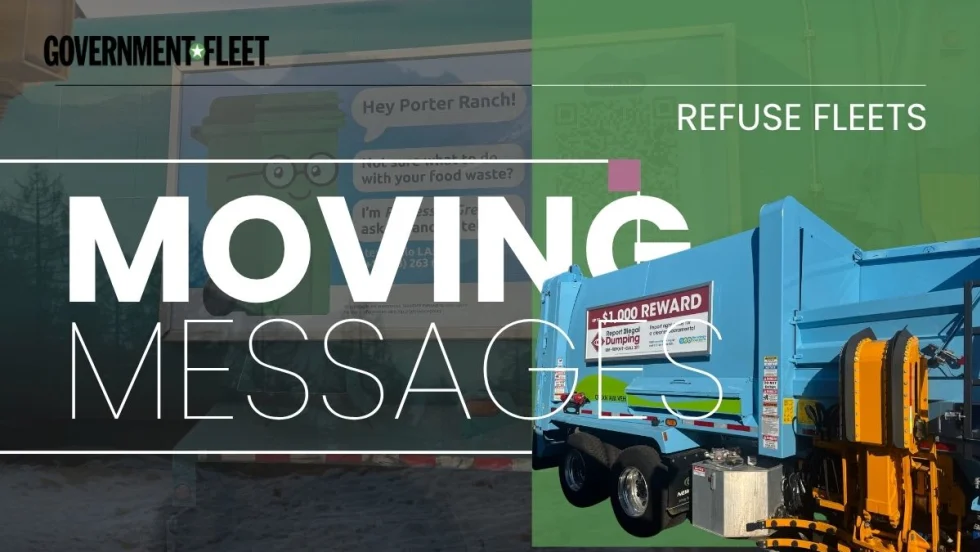
Who Owns the Message on a Refuse Truck?
Refuse trucks can carry public messages into neighborhoods, but keeping those messages current takes planning and clear responsibility.
Read More →
Who Deserves Fleet Recognition and What Could You Teach at GFX?
Who helped shape your fleet career, and what have you learned that could help someone else?
Read More →
What’s Haunting Public Sector Fleets?
Public sector fleet challenges rarely happen in isolation, and addressing one often means understanding how it connects to another.
Read More →
Is Keeping Older Fleet Vehicles Really Saving Money?
Is keeping vehicles longer saving money, and what happens when a diagnostic test points to the wrong fix?
Read More →
How Smart Fleet Strategy Can Help Local Government Agencies Do More with Less
Keeping a vehicle longer may ease this year’s budget, but what does it cost the next one? A closer look at fleet decisions can reveal opportunities to reduce spending while protecting essential services.
Read More →
Connect with Government Fleet on LinkedIn
From industry news and fleet management strategies to conversations with peers, Government Fleet's LinkedIn page offers public-sector fleet professionals another way to stay informed and connected.
Read More →
Town of Queen Creek Named Most Successful Fleet Award Winner of Inaugural RTA Fleet Success Awards
Five fleets were honored at RTA Connect 2026 in Chicago for excellence across resource efficiency, intentional culture, risk management, and stakeholder satisfaction.
Read More →