




Carbon Motors Completes Campus Plans
CONNERSVILLE, IN - Carbon Motors Corporation announced it has completed the conceptual plans for the Carbon Campus at One Carbon Motors Drive in Connersville, Indiana.
CONNERSVILLE, IN - Carbon Motors Corporation announced it has completed the conceptual plans for the Carbon Campus at One Carbon Motors Drive in Connersville, Indiana. The plans call for a state of the art conversion of the 50+ year-old, inefficient and mothballed brownfield site into a modern, 21st century, efficient and LEED-certified facility.
Leadership in Energy & Environmental Design (LEED) is an internationally recognized green building certification system, providing third-party verification that a building or community was designed and built using strategies aimed at improving performance across a number of metrics including: energy savings, water efficiency, CO2 emissions reduction, improved indoor environmental quality, and stewardship of resources and sensitivity to their impacts.
The Company estimates that the new Carbon Campus will reduce the overall site operating and maintenance costs by 60% - 90%. The existing structures which make up the Carbon Campus were originally constructed in 1954, when an abundance of low-cost energy was available and thermally efficient building materials were not in common use. In addition, the operations previously conducted at the Campus included processes with high heat rejection that helped to heat the space from ordinary operations, without the need to fully draw upon the buildings' HVAC systems to heat the structures. Once normal operations at the site were discontinued, the lack of proper insulation combined with the need to rely solely on the building's antiquated HVAC systems to maintain the minimum heat levels required to prevent building degradation led to some staggering operating and maintenance cost projections-some estimates as high as between $11- $14 million per year. Carbon Motors is determined to minimize the consumption of energy required for its operations in an environmentally responsible and economically intelligent manner.
Carbon Motors, therefore, has developed a flexible, asset-efficient, mid-volume vehicle assembly strategy, leveraging production technologies first developed for low to mid volume vehicle production in new and emerging markets. Carbon will establish a new integrated facility that will house its corporate headquarters, research and development, production, service training, sales activities, and vehicle recycling on the same Carbon Campus. Certain suppliers will be co-located on the Carbon Campus, which will reduce the volume of inbound transportation of bulky parts and the associated fuel consumption and environmental impacts. Extensive use of translucent materials will be added to provide natural lighting throughout the Campus, thus reducing the need for expensive artificial lighting while providing a more inviting work environment.
Over the past several months, a group of architects, engineers, and environmental scientists have been engaged in creating an architectural concept to provide a dramatic exterior appearance, a highly efficient interior work environment and natural and restored green areas that will enhance the community. Some of the core values that were to be considered during the redevelopment included energy efficiency, sustainability, reusability and environmental responsibility. Together with HOK architects, Carbon Motors measured the existing building structure against these values and developed a comprehensive plan to optimize it to meet both Carbon's space requirements and the U.S. Department of Energy's (DOE) loan eligibility requirements under the provisions of Section 136 of the Energy Independence and Security Act of 2007.
"By using a number of innovative architectural technologies and materials, HOK's design of the Carbon Campus will drastically reduce energy consumption and create workspace efficiencies while reusing this 50+ year old building," commented William R Halter, senior vice president and director of design, HOK. "Updates to this facility are intended to exceed the national energy use guidelines. HOK is proud to be part of the Carbon Motors team that is shaping a new and sustainable model for American industry."
"An initial minor refurbishment is underway while the majority of the redevelopment project will commence immediately upon the final approval of the DOE loan by the Obama Administration. With a major focus on local sourcing, those construction jobs will be focused on the talent available in the local community," said William Santana Li, chairman and chief executive officer, Carbon Motors Corporation.
About Carbon Motors Corporation
Carbon Motors Corporation is a bold homeland security company on a critical mission to design, develop, manufacture, distribute, service, and recycle, the world's first purpose-built law enforcement patrol vehicle. Learn more at www.carbonmotors.com.
More Green Fleet
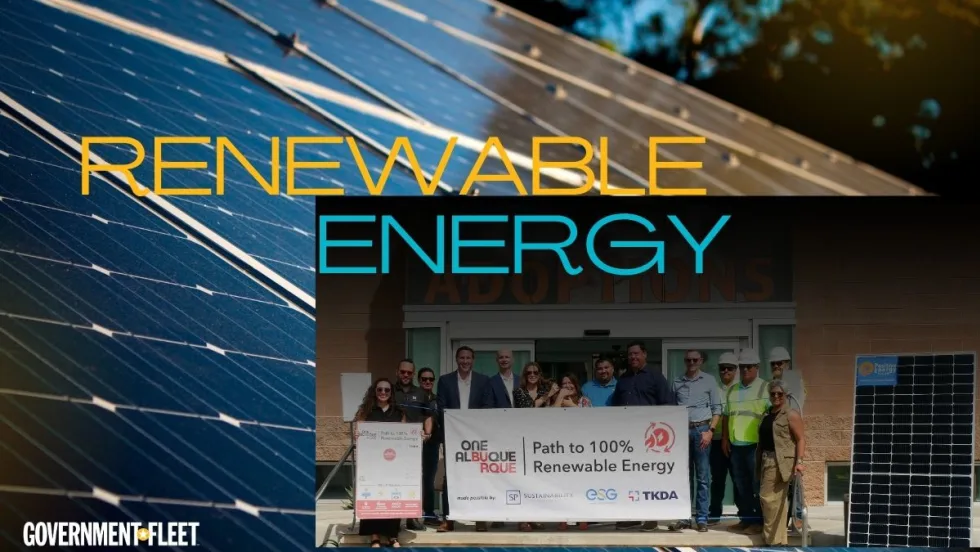
Sustainability Partners, Energy Systems Group Help Albuquerque Close the Gap on its 100% Renewable Energy Goal
The eight-site, 6 MW solar project has advanced the city toward 100% renewable energy for municipal operations.
Read More →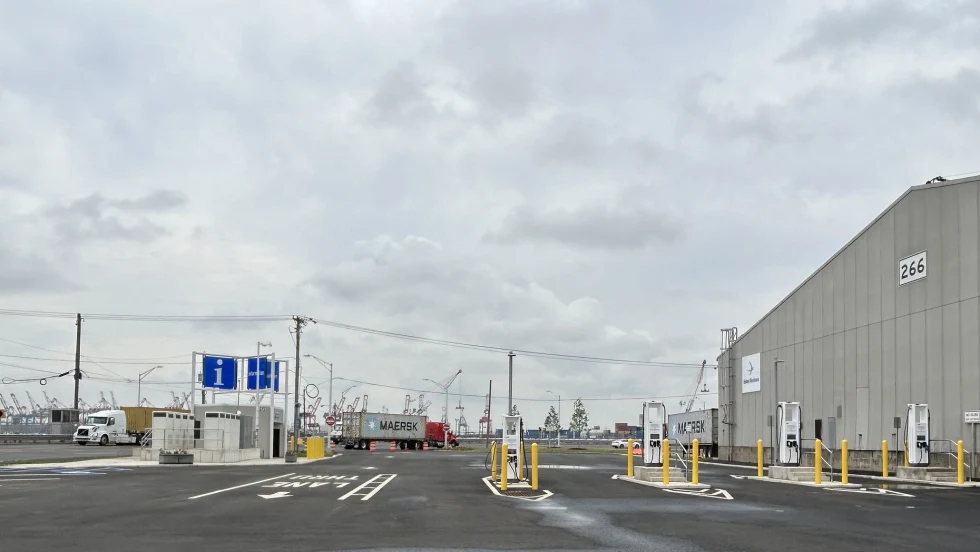
Port Authority and CALSTART Launch $45 Million Electric Truck and Charging Programs
The programs aim to boost sustainable operations across the East Coast's busiest seaport.
Read More →
Moving Government Fleets Beyond the Vehicle Purchase: EV as a Service
A discussion on how EVaaS is moving beyond pilot programs and what fleets should consider before beginning a larger deployment.
Read More →
Moving Government Fleets Beyond the Vehicle Purchase: EV as a Service
As fleets move beyond small EV pilots, Sustainability Partners CEO Adam Cain explains how EVaaS can address the infrastructure and long-term planning required for larger deployments.
Read More →
Peterbilt Expands Sourcewell Partnership with Electric Vehicle Lineup
The agreement aims to provide streamlined procurement of Peterbilt trucks for government, education, nonprofit and tribal organizations across the United States and Canada.
Read More →

EV Adoption & Charging Challenges
Where is your fleet in the journey of vehicle electrification? If you're still looking for answers to fleet electrification you've come to the right place.
Read More →
Hawaii Passes Clean Fuel Policy
Hawaii lawmakers passed clean fuel legislation that could support renewable natural gas production, biogas-powered transportation, and lower-carbon fueling options for public and commercial fleets.
Read More →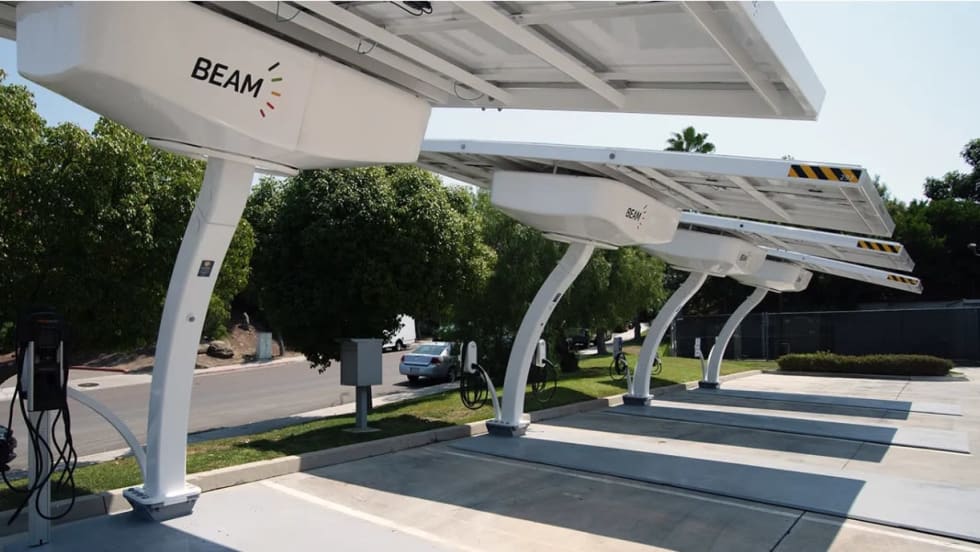
Stanislaus County Deploys Ten Beam Global EV ARC Systems to Support County Fleet Electrification
Stanislaus County deployed 10 off-grid solar-powered EV charging systems and a mobile charging trailer from Beam Global to support its electric fleet operations and emergency response flexibility.
Read More →
Heliox Pilots 480-kW Bus Charger with King County Metro
King County Metro is piloting Heliox’s new 480-kW Flex Pro charger to support expansion of its battery-electric bus fleet and depot charging infrastructure. The compact charging system supports pantograph and plug-in charging configurations for high-density transit operations.
Read More →