




CARB Approves $363M Clean Vehicle Funding Plan
The California Air Resources Board (CARB) adopted a revised funding plan for $363 million in proceeds from the cap-and-trade program. It includes $133 million for the Clean Vehicle Rebate Project.
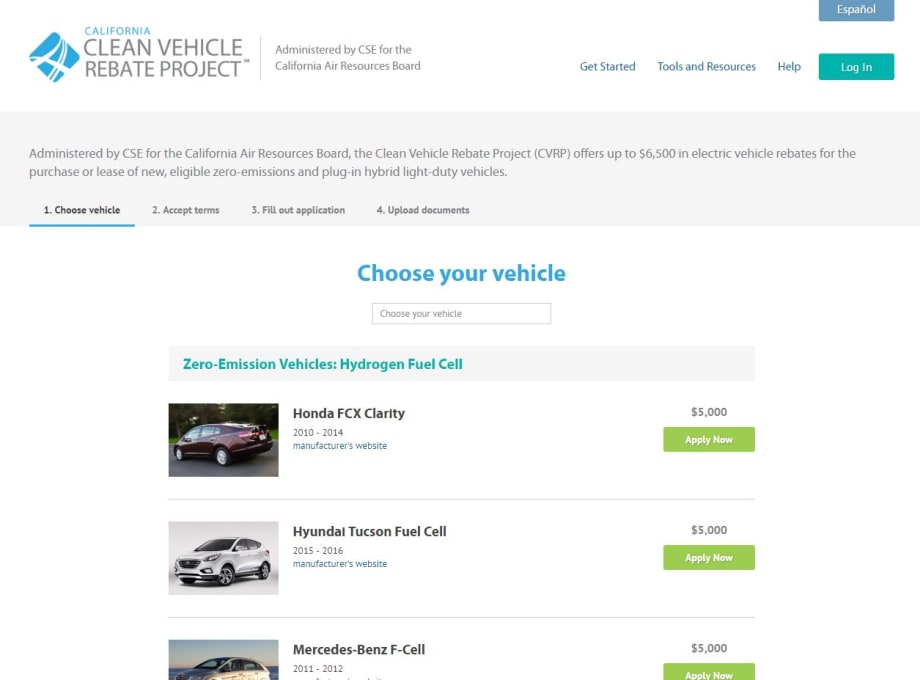
Screencapture of www.cleanvehiclerebate.org
Screencapture of www.cleanvehiclerebate.org
The California Air Resources Board (CARB) adopted a revised funding plan for $363 million in proceeds from the cap-and-trade program that includes putting more clean vehicles in disadvantaged communities. The investments range from supporting increased numbers of zero-emission heavy-duty trucks and buses to rebates for low- and zero-emission passenger vehicles.
The revised plan for fiscal year 2016-17 keeps much of the original funding plan (approved in June 2016) intact while addressing the smaller budget appropriation of $363 million under AB 1613 and additional direction from the legislature.
Key highlights of the revised plan include:
$133 million to the Clean Vehicle Rebate Project (CVRP), which offers government and commercial fleets in California up to $5,000 in vehicle rebates for the purchase or lease of new, eligible zero-emission and plug-in hybrid vehicles;
$80 million to light-duty vehicle pilot projects, including $3 million for Increased Public Fleet Incentives for CVRP-Eligible Vehicles; and
$150 million for a range of heavy-duty vehicle and off-road equipment projects, including advanced technology demonstration projects, and providing zero-emission buses for transit agencies and rural school districts.
The $133 million CVRP allocation, while less than the amount in the earlier board-approved funding plan, is expected to meet demand through the fiscal year.
The $150 million for heavy-duty vehicles and off-road equipment projects includes $18 million for the Hybrid and Zero-Emission Truck and Bus Voucher Incentive Project (HVIP) as well as funding for large-scale pilot projects that encourage the commercialization of zero-emission trucks and buses. The board also voted to increase the maximum incentive amount for the Low NOx Engine Incentives with Renewable Fuel to $25,000 per truck.
More Green Fleet
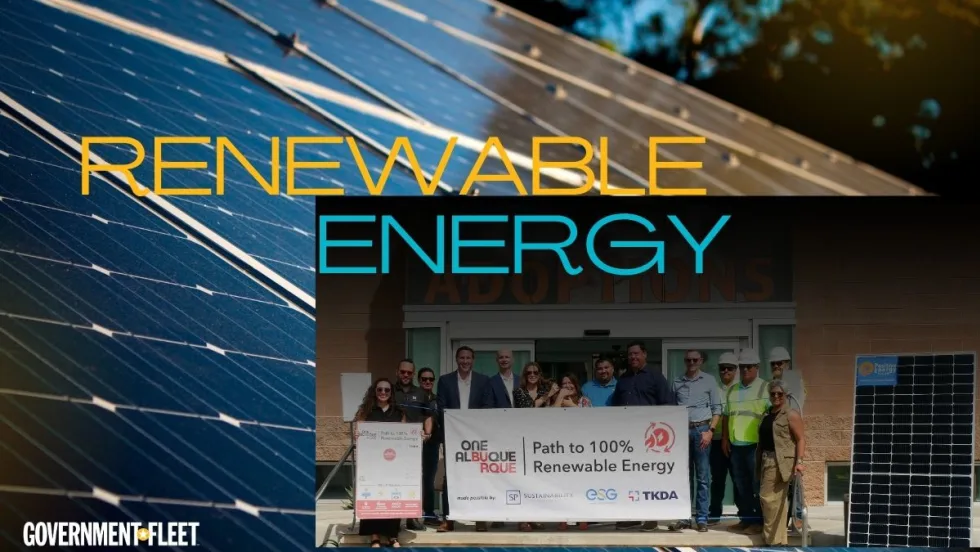
Sustainability Partners, Energy Systems Group Help Albuquerque Close the Gap on its 100% Renewable Energy Goal
The eight-site, 6 MW solar project has advanced the city toward 100% renewable energy for municipal operations.
Read More →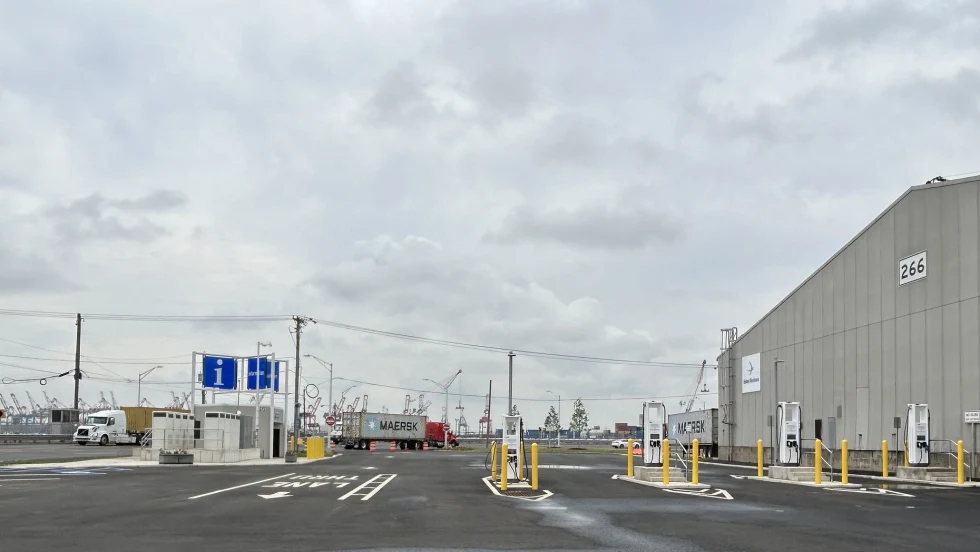
Port Authority and CALSTART Launch $45 Million Electric Truck and Charging Programs
The programs aim to boost sustainable operations across the East Coast's busiest seaport.
Read More →
Moving Government Fleets Beyond the Vehicle Purchase: EV as a Service
A discussion on how EVaaS is moving beyond pilot programs and what fleets should consider before beginning a larger deployment.
Read More →
Moving Government Fleets Beyond the Vehicle Purchase: EV as a Service
As fleets move beyond small EV pilots, Sustainability Partners CEO Adam Cain explains how EVaaS can address the infrastructure and long-term planning required for larger deployments.
Read More →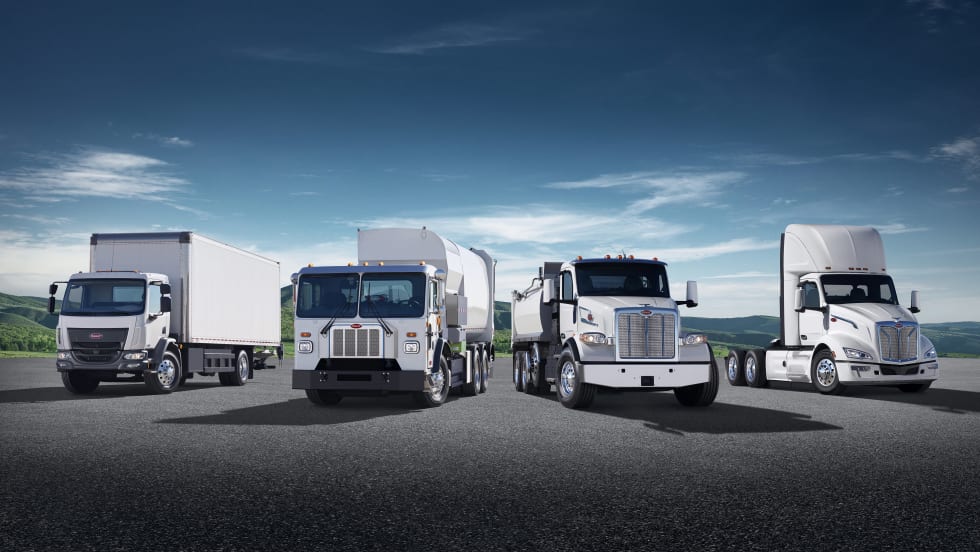
Peterbilt Expands Sourcewell Partnership with Electric Vehicle Lineup
The agreement aims to provide streamlined procurement of Peterbilt trucks for government, education, nonprofit and tribal organizations across the United States and Canada.
Read More →
EV Adoption & Charging Challenges
Where is your fleet in the journey of vehicle electrification? If you're still looking for answers to fleet electrification you've come to the right place.
Read More →
Hawaii Passes Clean Fuel Policy
Hawaii lawmakers passed clean fuel legislation that could support renewable natural gas production, biogas-powered transportation, and lower-carbon fueling options for public and commercial fleets.
Read More →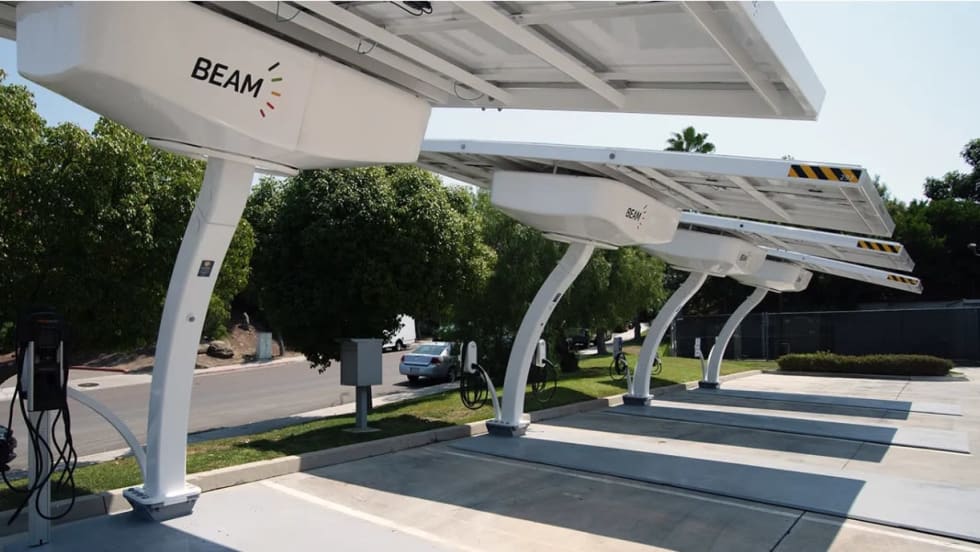
Stanislaus County Deploys Ten Beam Global EV ARC Systems to Support County Fleet Electrification
Stanislaus County deployed 10 off-grid solar-powered EV charging systems and a mobile charging trailer from Beam Global to support its electric fleet operations and emergency response flexibility.
Read More →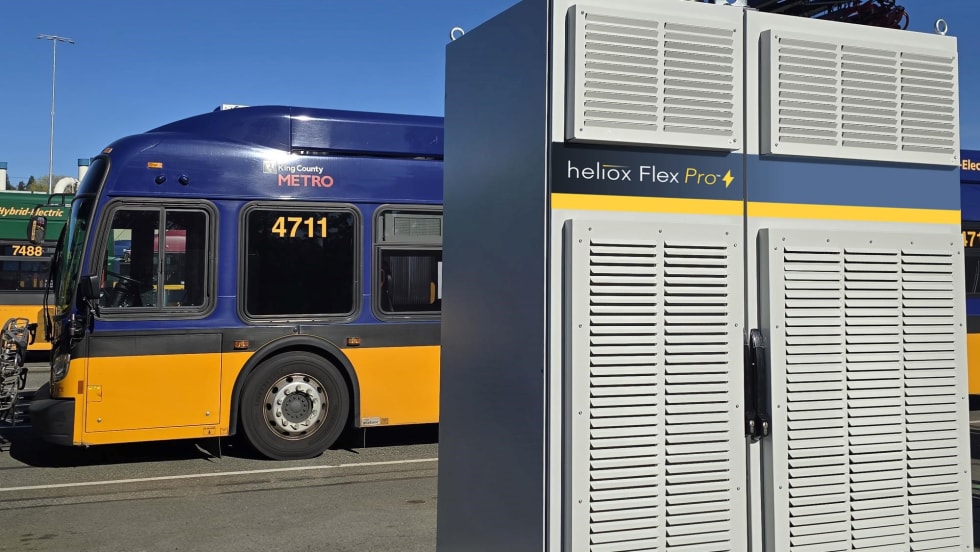
Heliox Pilots 480-kW Bus Charger with King County Metro
King County Metro is piloting Heliox’s new 480-kW Flex Pro charger to support expansion of its battery-electric bus fleet and depot charging infrastructure. The compact charging system supports pantograph and plug-in charging configurations for high-density transit operations.
Read More →