




Caltrain Transit Agency Plans '07 Rollout of WiMax Wireless Net
SAN JOSE, CA – Caltrain has successfully tested uninterrupted wireless Internet access on a train traveling up to 79 miles per hour over a 16-mile stretch from Millbrae to Palo Alto in California.
SAN JOSE, CA – Caltrain has successfully tested uninterrupted wireless Internet access on a train traveling up to 79 miles per hour over a 16-mile stretch from Millbrae to Palo Alto in California, according to the San Jose Mercury News. The transportation agency wants to offer wireless Internet access over the system’s 50-mile route and open it to the public within a year. Caltrain is considering offering free public access with an upgraded service for a fee. The agency plans to offer wireless Internet on all trains, installing the equipment on its Baby Bullet trains first. More than 35,000 people ride the system’s north-south trains each weekday, and Caltrain hopes offering wireless Internet access will increase that number. To keep a consistent Internet connection, Caltrain’s cars will be outfitted with WiFi antennas that will connect with WiMax Internet towers along the route. WiMax differs from WiFi in that it has much longer ranges — as much as 10 miles vs. WiFi’s reach of a few hundred feet. The route could have as many as 20 to 30 towers, the report said. The test area, which has seven towers, cost $334,000 to build. The agency doesn’t have a projection for the total cost. Wireless access has been offered in a limited way on ACE between Stockton and San Jose and on a handful of Capitol Corridor train cars. Bay Area Rapid Transit is also looking into the possibilities of offering it to riders. The Capitol Corridor agency began testing a satellite connection service on its 171-mile route but has since decided that the technology is outdated, according to the San Jose Mercury News. The authority plans to test four different technologies, including the same one that Caltrain is using, and pick among them.
More Operations

What Government Fleets Are Missing About Their True Costs
What are fleet budgets missing, and how can agencies use the data they already collect to make a stronger case for change?
Read More →
Rethinking Fleet Decisions From the Budget Office to the Shop
This October we looked back at how public fleets are reconsidering familiar processes and using what they learn to make better decisions.
Read More →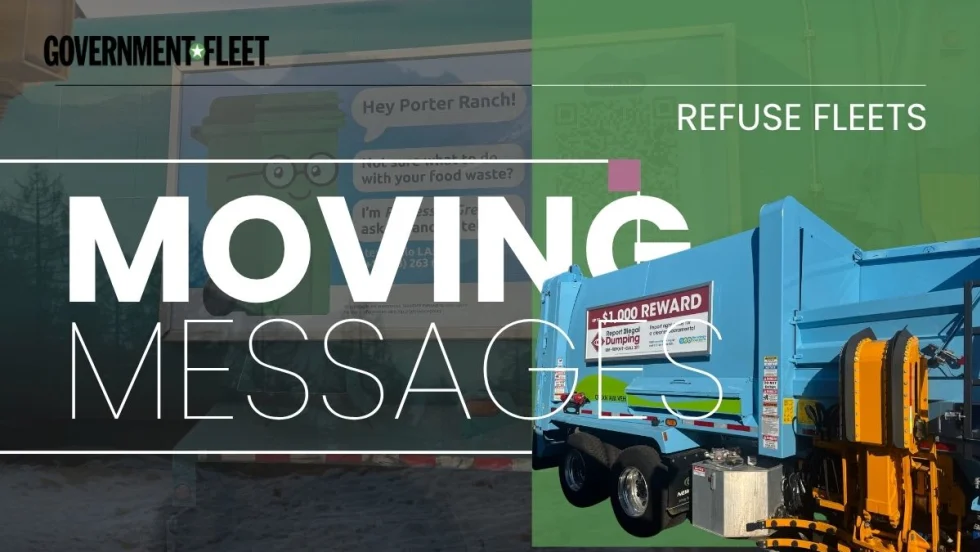
Who Owns the Message on a Refuse Truck?
Refuse trucks can carry public messages into neighborhoods, but keeping those messages current takes planning and clear responsibility.
Read More →
Who Deserves Fleet Recognition and What Could You Teach at GFX?
Who helped shape your fleet career, and what have you learned that could help someone else?
Read More →
What’s Haunting Public Sector Fleets?
Public sector fleet challenges rarely happen in isolation, and addressing one often means understanding how it connects to another.
Read More →
Is Keeping Older Fleet Vehicles Really Saving Money?
Is keeping vehicles longer saving money, and what happens when a diagnostic test points to the wrong fix?
Read More →
How Smart Fleet Strategy Can Help Local Government Agencies Do More with Less
Keeping a vehicle longer may ease this year’s budget, but what does it cost the next one? A closer look at fleet decisions can reveal opportunities to reduce spending while protecting essential services.
Read More →
Connect with Government Fleet on LinkedIn
From industry news and fleet management strategies to conversations with peers, Government Fleet's LinkedIn page offers public-sector fleet professionals another way to stay informed and connected.
Read More →
Town of Queen Creek Named Most Successful Fleet Award Winner of Inaugural RTA Fleet Success Awards
Five fleets were honored at RTA Connect 2026 in Chicago for excellence across resource efficiency, intentional culture, risk management, and stakeholder satisfaction.
Read More →
A buyer's guide to fleet management software in 2027
Buying fleet management software in 2027 means looking beyond features and price. As fleet operations, technology and expectations evolve, this guide explores what today’s fleet professionals should consider when choosing a system that can deliver value now and adapt to what comes next.
Read More →