




California Debuts 10 Nissan Leafs & 24 EV Charging Stations
SACRAMENTO, CA – The California Department of General Services (DGS) took delivery of 10 new Nissan Leaf zero-emission vehicles, which will replace 10 existing vehicles in the DGS daily rental fleet. In March, Gov. Jerry Brown ordered an increase in zero-emission vehicles in the State fleet.
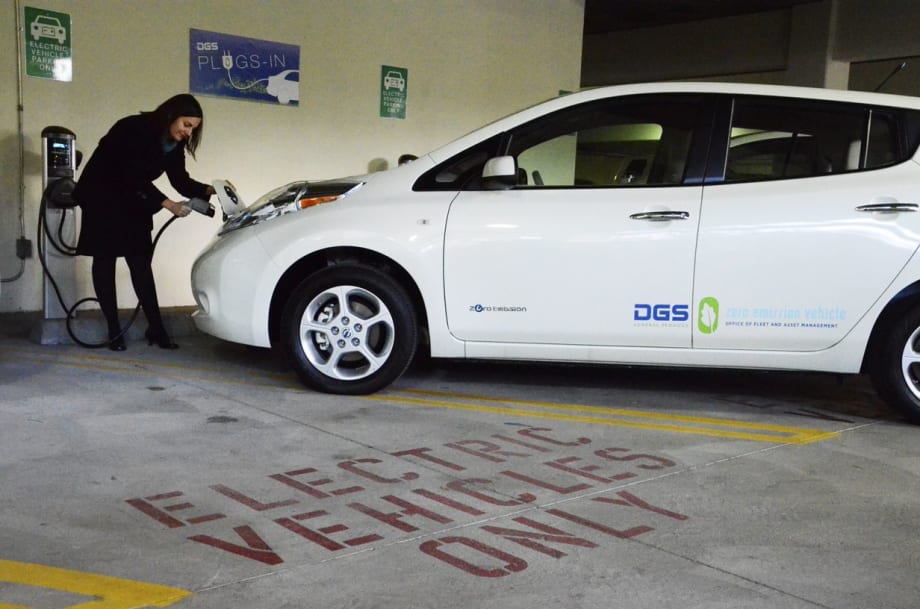
DGS Employee Rebecca Kirk plugs in a new state electric vehicle at a public state garage in downtown Sacramento. Photo courtesy of California DGS.
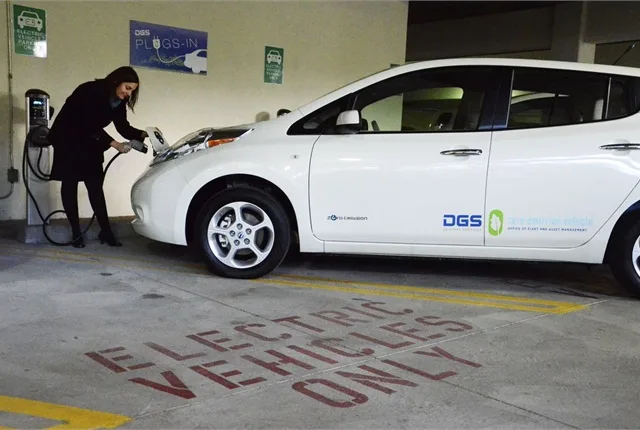
DGS Employee Rebecca Kirk plugs in a new state electric vehicle at a public state garage in downtown Sacramento.Photo courtesy of California DGS.
SACRAMENTO, CA – The California Department of General Services (DGS) announced Dec 20 the delivery of 10 new Nissan Leaf zero-emission vehicles, which will replace 10 existing vehicles in the DGS daily rental fleet. DGS also debuted 24 electric vehicle charging stations now available at five locations in the Sacramento area, with plans to add nine additional stations in the DGS State Garages in the near future. Four of these locations have a total of 19 charging stations accessible to the public.
“Along with reducing the size of the state fleet, the Administration remains committed to clean, green efforts,” said State and Consumer Services Secretary Anna Caballero. “This is just our first step toward achieving a more sustainable state government fleet envisioned by Governor Brown earlier this year.”
“The electric vehicle charging stations and zero-emission vehicles demonstrate DGS’ commitment to combat climate change with a more sustainable state government fleet,” said DGS Director Fred Klass.
In March, Gov. Brown directed state agencies to facilitate the rapid commercialization of zero-emission vehicles, and ordered California’s state government vehicle fleet to increase its zero-emission vehicles through the normal course of vehicle replacement. The Governor’s goal is to have at least 10% of light-duty vehicle fleet purchases be zero-emission by 2015 and at least 25% by 2020.
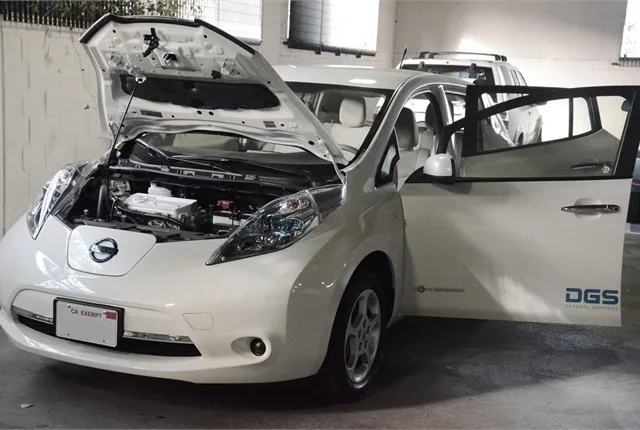
California DGS showed off its new Nissan Leaf vehicles on Dec. 20.Photo courtesy of California DGS.
The purchase, installation, and technical support of the charging stations were supported by grants from the U.S. Department of Energy and the California Energy Commission. DGS’s goal is to establish infrastructure for additional zero-emission vehicles expected statewide, and expand efforts to green the state fleet.
Zero-emission vehicles lower California’s dependence on petroleum fuels, reduce greenhouse gas emissions, and have lower fuel and maintenance costs over the vehicles' lifetimes. According to the U.S. Department of Energy, the 2012 Nissan Leaf produces 0.0 tons of CO2 per year, while a light-duty sedan may produce between 6.5 to 6.7 tons of CO2 per year.
DGS continues to lead efforts to green the state’s fleet on several fronts, including the recent announcement that state departments cut 7,112 vehicles from the state’s fleet. DGS has also instructed State agencies to increase the use of alternative fuels, utilize re-built automotive parts and recycled oil, and ensure that future light-duty state passenger vehicles feature 'cool paints' on their exteriors.
More Green Fleet
Sustainability Partners, Energy Systems Group Help Albuquerque Close the Gap on its 100% Renewable Energy Goal
The eight-site, 6 MW solar project has advanced the city toward 100% renewable energy for municipal operations.
Read More →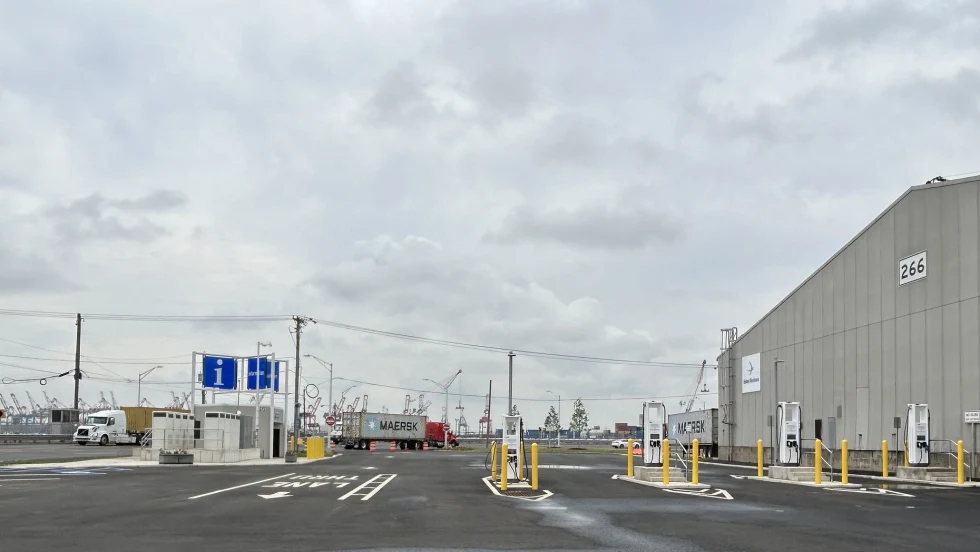
Port Authority and CALSTART Launch $45 Million Electric Truck and Charging Programs
The programs aim to boost sustainable operations across the East Coast's busiest seaport.
Read More →
Moving Government Fleets Beyond the Vehicle Purchase: EV as a Service
A discussion on how EVaaS is moving beyond pilot programs and what fleets should consider before beginning a larger deployment.
Read More →
Moving Government Fleets Beyond the Vehicle Purchase: EV as a Service
As fleets move beyond small EV pilots, Sustainability Partners CEO Adam Cain explains how EVaaS can address the infrastructure and long-term planning required for larger deployments.
Read More →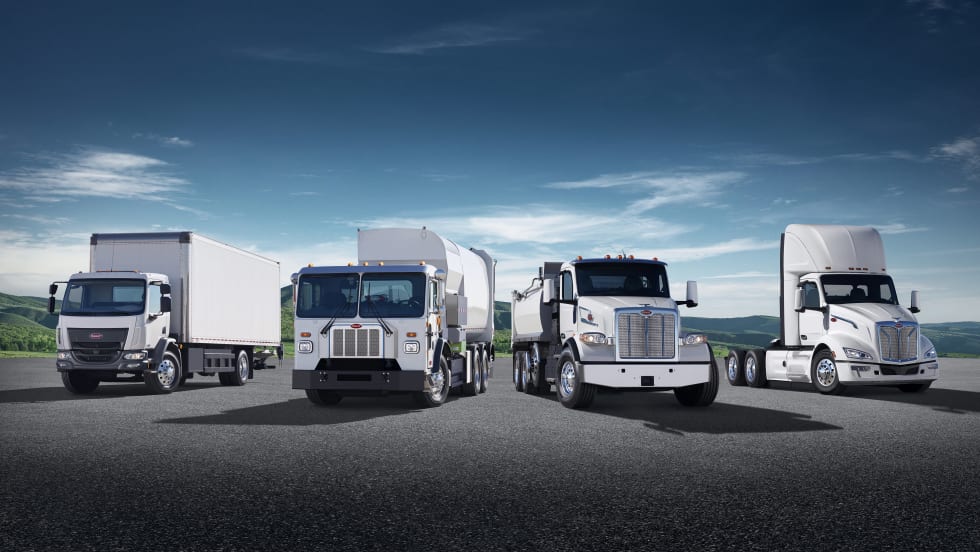
Peterbilt Expands Sourcewell Partnership with Electric Vehicle Lineup
The agreement aims to provide streamlined procurement of Peterbilt trucks for government, education, nonprofit and tribal organizations across the United States and Canada.
Read More →
EV Adoption & Charging Challenges
Where is your fleet in the journey of vehicle electrification? If you're still looking for answers to fleet electrification you've come to the right place.
Read More →
Hawaii Passes Clean Fuel Policy
Hawaii lawmakers passed clean fuel legislation that could support renewable natural gas production, biogas-powered transportation, and lower-carbon fueling options for public and commercial fleets.
Read More →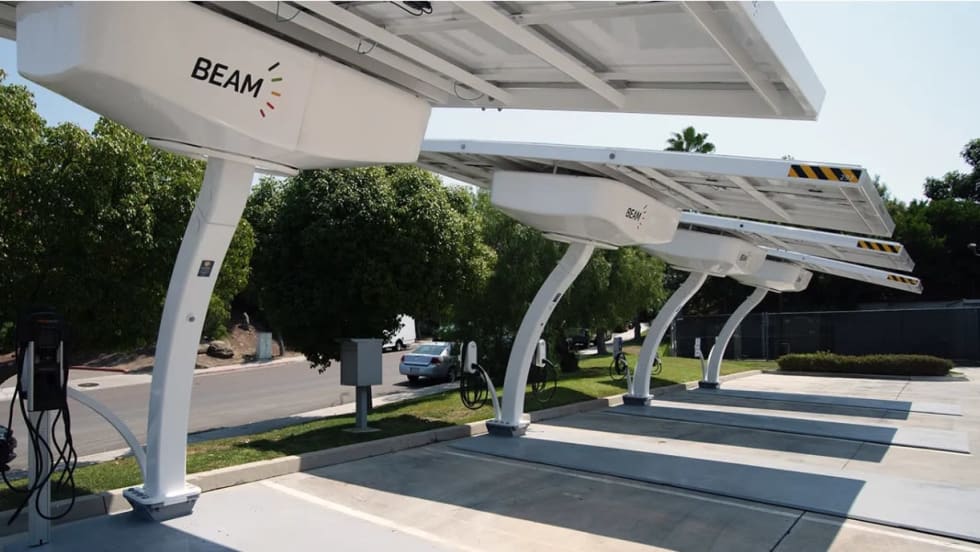
Stanislaus County Deploys Ten Beam Global EV ARC Systems to Support County Fleet Electrification
Stanislaus County deployed 10 off-grid solar-powered EV charging systems and a mobile charging trailer from Beam Global to support its electric fleet operations and emergency response flexibility.
Read More →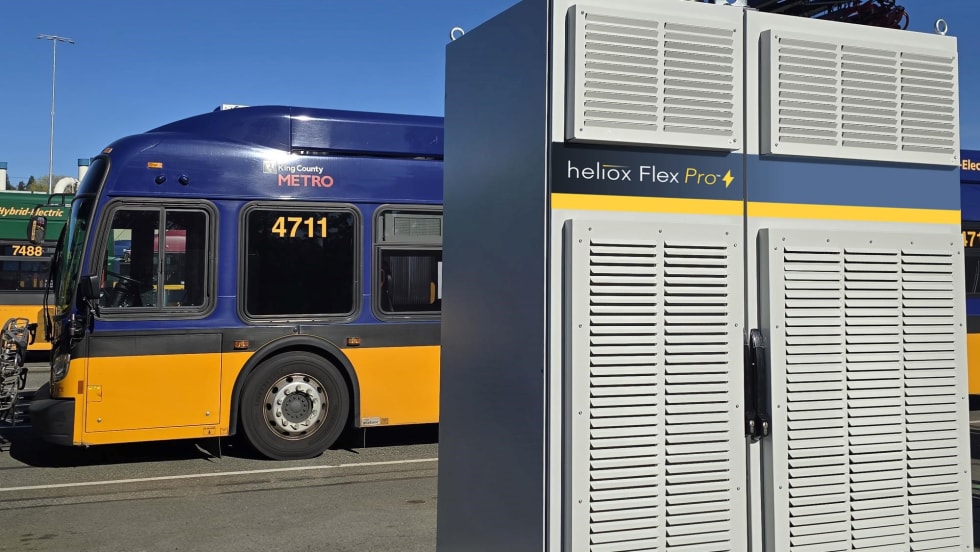
Heliox Pilots 480-kW Bus Charger with King County Metro
King County Metro is piloting Heliox’s new 480-kW Flex Pro charger to support expansion of its battery-electric bus fleet and depot charging infrastructure. The compact charging system supports pantograph and plug-in charging configurations for high-density transit operations.
Read More →