




Calif. Utilities Vow to Support EV Adoption
Three California utilities are renewing their commitments to increase electric vehicle (EV) adoption and reduce greenhouse gas emissions across their service areas.
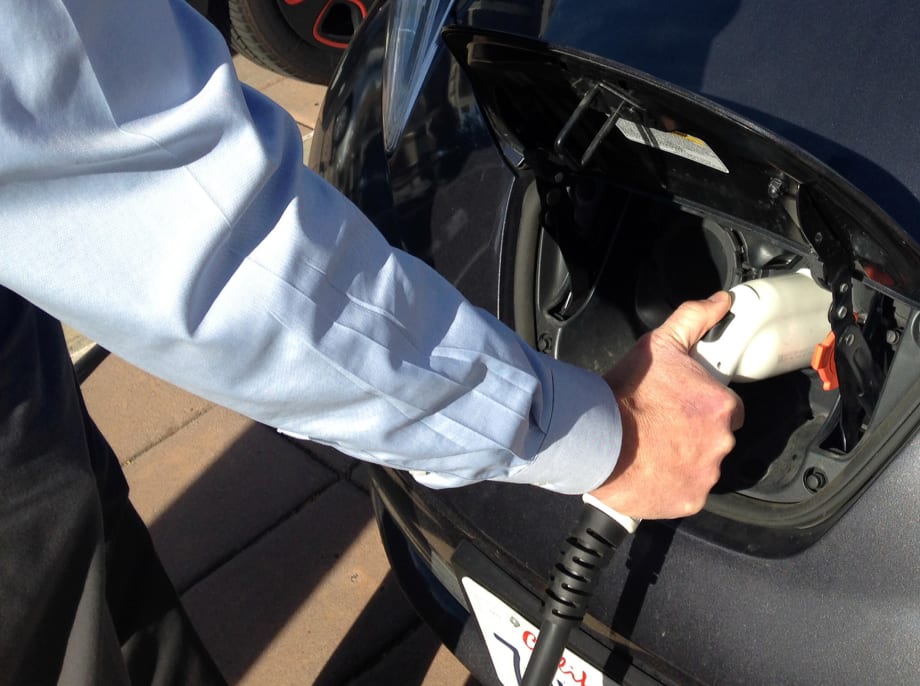
Photo courtesy of Edison International
Photo courtesy of Edison International
Three California utilities are renewing their commitments to increase electric vehicle (EV) adoption and reduce greenhouse gas emissions across their service areas.
Pacific Gas & Electric (PG&E), Southern California Edison (SCE), and San Diego Gas & Electric (SDG&E) submitted applications to the California Public Utilities Commission outlining programs and investments aimed at achieving multiple clean-transportation and emission-reduction goals set by the governor and state agencies. At nearly 40%, transportation is the single largest contributor to greenhouse gas emissions in California. The proposals address the need for medium- and heavy-duty vehicle charging infrastructure and offer additional incentives for EV adoption.
PG&E proposed a five-year project to build "make-ready" electric charging infrastructure for medium- to heavy-duty and off-road fleets. The proposal also includes plans to support and facilitate the installation of fast chargers in Northern and Central California and five one-year projects to simplify charging for residential customers, explore commercial smart vehicle charging, and request third parties to submit potential electrification projects. Nearly 60% of PG&E's electricity comes from greenhouse gas-free resources.
SCE's plan proposes to install charging infrastructure for medium- and heavy-duty vehicles as well as plug-in buses, forklifts, and other off-road equipment. The utility will explore options for a zero-emission freight movement program when transporting freight inland from the Port of Long Beach. Additional projects include monetary incentives for residential, rideshare, and taxi customers who adopt EVs and installing DC fast charging stations in urban areas. These projects will feature a particular focus on disadvantaged communities that are disproportionately affected by pollution and economic hardship.
SDG&E proposes to install EV charging stations to power ground support equipment at the San Diego International Airport, medium- and heavy-duty electric trucks and forklifts at the Port of San Diego, delivery fleet vehicles, and electric vehicles at up to 90,000 residences. This is an addition to the utility's plan to install EV charging infrastructure at 350 apartments, condos, and businesses through its Power Your Drive program. The plan also includes a special rate that incentivizes EV owners to charge their cars at times of day when clean energy is plentiful and energy prices are low.
More Green Fleet
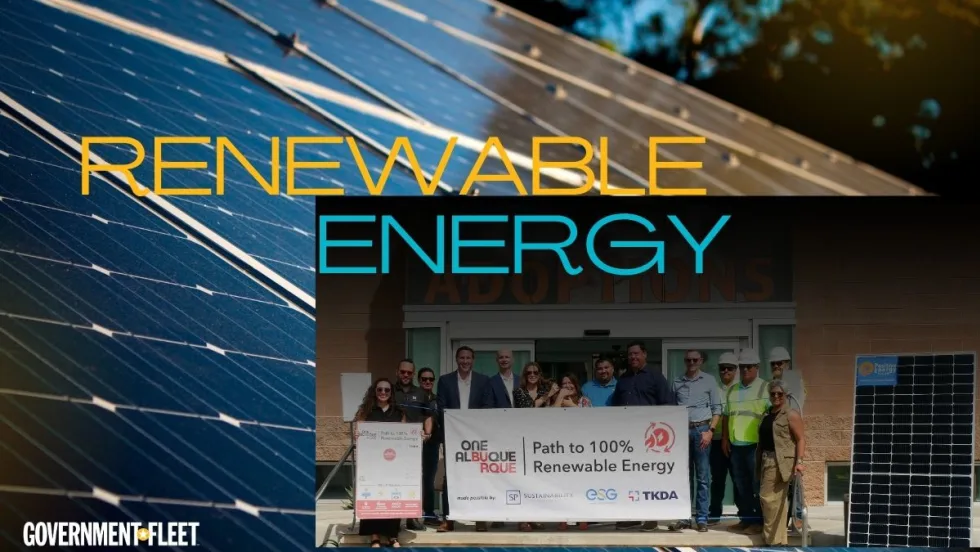
Sustainability Partners, Energy Systems Group Help Albuquerque Close the Gap on its 100% Renewable Energy Goal
The eight-site, 6 MW solar project has advanced the city toward 100% renewable energy for municipal operations.
Read More →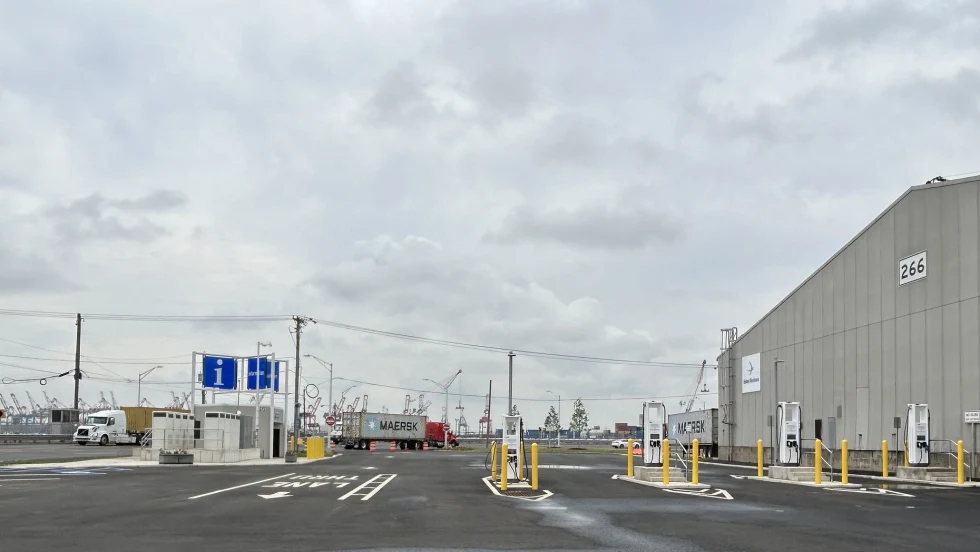
Port Authority and CALSTART Launch $45 Million Electric Truck and Charging Programs
The programs aim to boost sustainable operations across the East Coast's busiest seaport.
Read More →
Moving Government Fleets Beyond the Vehicle Purchase: EV as a Service
A discussion on how EVaaS is moving beyond pilot programs and what fleets should consider before beginning a larger deployment.
Read More →
Moving Government Fleets Beyond the Vehicle Purchase: EV as a Service
As fleets move beyond small EV pilots, Sustainability Partners CEO Adam Cain explains how EVaaS can address the infrastructure and long-term planning required for larger deployments.
Read More →
Peterbilt Expands Sourcewell Partnership with Electric Vehicle Lineup
The agreement aims to provide streamlined procurement of Peterbilt trucks for government, education, nonprofit and tribal organizations across the United States and Canada.
Read More →
EV Adoption & Charging Challenges
Where is your fleet in the journey of vehicle electrification? If you're still looking for answers to fleet electrification you've come to the right place.
Read More →
Hawaii Passes Clean Fuel Policy
Hawaii lawmakers passed clean fuel legislation that could support renewable natural gas production, biogas-powered transportation, and lower-carbon fueling options for public and commercial fleets.
Read More →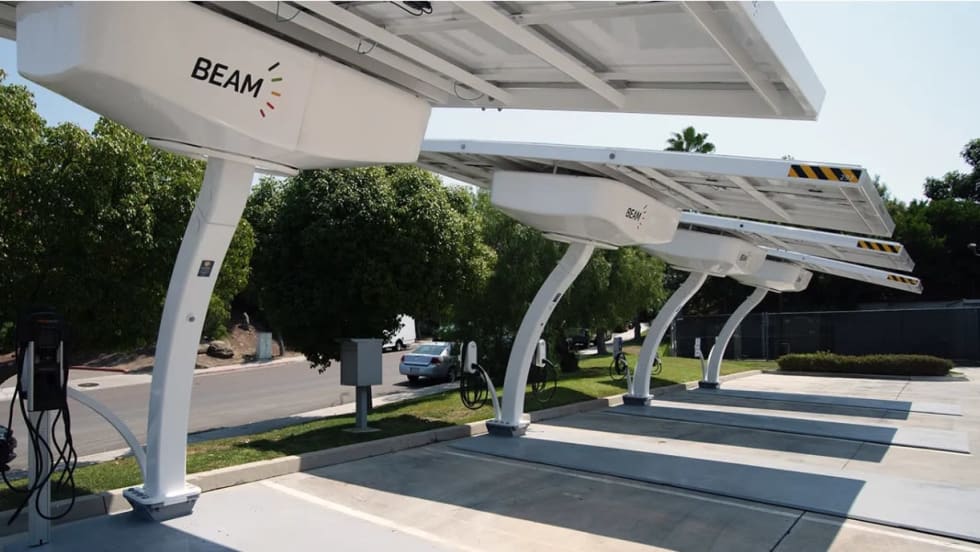
Stanislaus County Deploys Ten Beam Global EV ARC Systems to Support County Fleet Electrification
Stanislaus County deployed 10 off-grid solar-powered EV charging systems and a mobile charging trailer from Beam Global to support its electric fleet operations and emergency response flexibility.
Read More →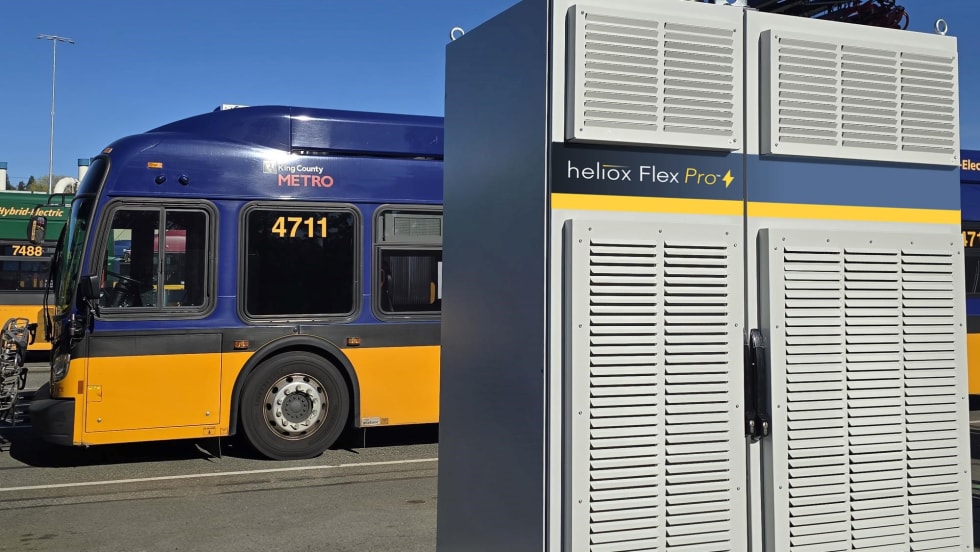
Heliox Pilots 480-kW Bus Charger with King County Metro
King County Metro is piloting Heliox’s new 480-kW Flex Pro charger to support expansion of its battery-electric bus fleet and depot charging infrastructure. The compact charging system supports pantograph and plug-in charging configurations for high-density transit operations.
Read More →