




Related: Insourcing Maintenance: How to Start
Calif. Fleet Manager Believes In Educating Others
David Worthington understands the importance of looking at the big picture.

Lexi Tucker・Senior Editor
4 min to read
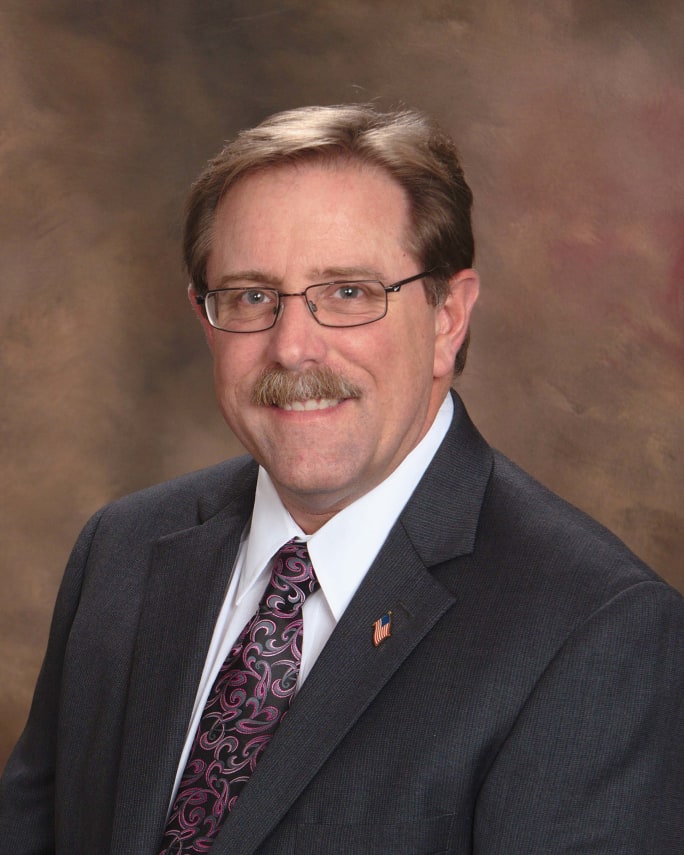
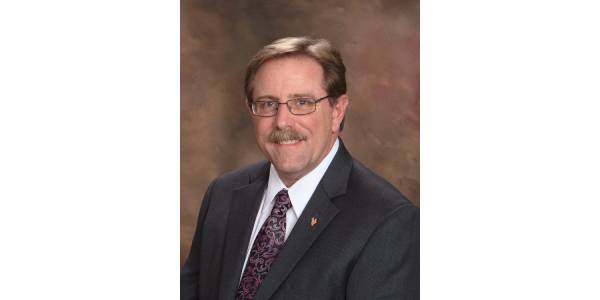
David Worthington, manager of fleet and construction support for East Bay Municipal Utility District in Oakland, Calif.
The role of a fleet manager is never fully understood unless one has been in the position. So much goes into making day-to-day decisions it would make the average person’s head spin. This is why David Worthington, manager of fleet and construction support for East Bay Municipal Utility District in Oakland, Calif., believes in learning everything you possibly can from those around you who may have more experience in different areas of expertise.
Knowledge is Power
Joining a government fleet association can help those who are just getting started in the industry, but also veterans who may want to fortify their knowledge and meet new people
“You need to be able to tap into resources and expertise that’s beyond what you’ll just find locally,” Worthington says. “Be open minded, reach out to people, and ask a lot of questions. Learn from the experience of others to help ensure you don’t repeat some of their missteps.”
All in a Day’s (or Years’) Work
Worthington says the biggest challenge many fleet managers have that is ongoing is getting upper management and customers to understand the complexities of the profession.
“There’s a lot of perceptions about we do, and we have to break down those perceptions and shine the light of reality on them.”
The average person would be truly overwhelmed to hear of the logistics, regulations, and planning involved in what fleet managers do. Often, they are working on current projects they won’t see the fruitions of for 10 to 15 years.
“I’ve often joked with some of my doctors that we have the same ongoing education requirements, but fleet managers get less credit and pay,” he says. “We do a lot of the same work dealing with personalities, new technology, pneumatics, hydraulics, and data analysis but the difference is we work on different makes and models every year, and they work on the same two models their entire career.”
On the Horizon
One future challenge Worthington spots on the horizon is how fleets will adapt to the new Advanced Clean Trucks regulation that was approved by CARB on June 25. The new rule requires truck manufacturers to increase the percentage of their zero-emission truck sales.
“They will not just produce them and have them sit on the lot, but actually have to sell them to companies in California,” he explains.
He says the next companion regulation will have requirements for fleets to have to buy those types of vehicles, which comes with its own particular set of challenges. The deadlines may be overly aggressive and difficult to meet for some specialized fleet applications
“When you decide to purchase EVs, it’s not just the vehicles you need to consider,” he explains. Charging stations and real estate are part of the whole package.
You have to find facilities where you can set up the charging stations, and also determine if the building you are going to use has enough electrical capacity to install the stations. If it doesn’t, you’ll have to work with utility providers to bring in additional services. Depending on if you have a lot of medium- or heavy-duty trucks in that location, they may have to upgrade equipment in the entire area. On top of that, you need to consider how long it will take to recharge those vehicles. What do you do if people use the same vehicle in shifts?
Worthington says hydrogen fuel cell vehicles might be one answer to the challenge, but there’s also a huge infrastructure challenge there as well. There’s approximately fifty retail stations currently as compared to over twenty thousand retail gas, diesel, propane, E85 and natural gas retail stations in California. They also vary in how they compress the hydrogen, which directly affects the mileage range you are going to get out of the vehicle.
“This rule doesn’t just touch fleet in our purchasing decisions; it also involves facilities, real estate, infrastructure, utilities, staffing, training, and finance. It’s going to need to be a collaborative effort by a lot of different parts of a government agency to come up with a strategy to follow that is going to meet the regulatory compliance requirements and operational needs of a fleet.”
More Operations

Is Keeping Older Fleet Vehicles Really Saving Money?
Is keeping vehicles longer saving money, and what happens when a diagnostic test points to the wrong fix?
Read More →
How Smart Fleet Strategy Can Help Local Government Agencies Do More with Less
Keeping a vehicle longer may ease this year’s budget, but what does it cost the next one? A closer look at fleet decisions can reveal opportunities to reduce spending while protecting essential services.
Read More →
Connect with Government Fleet on LinkedIn
From industry news and fleet management strategies to conversations with peers, Government Fleet's LinkedIn page offers public-sector fleet professionals another way to stay informed and connected.
Read More →
Town of Queen Creek Named Most Successful Fleet Award Winner of Inaugural RTA Fleet Success Awards
Five fleets were honored at RTA Connect 2026 in Chicago for excellence across resource efficiency, intentional culture, risk management, and stakeholder satisfaction.
Read More →
Sponsored•October 14, 2026
A buyer's guide to fleet management software in 2027
Buying fleet management software in 2027 means looking beyond features and price. As fleet operations, technology and expectations evolve, this guide explores what today’s fleet professionals should consider when choosing a system that can deliver value now and adapt to what comes next.
Read More →
Hazard Alerts, Fleet Car Sales Rise and a New Shuttle Concept
Fleet car sales doubled, but the bigger picture tells a different story in this week’s roundup.
Read More →
How St. Johns County Turned Fleet Data Into Better Replacement Decisions
St. Johns County, Florida, had fleet data, but turning it into reliable decision guidance was another matter. Instead of starting over with a new fleet management system, the county connected existing tools and built a scoring system that gives managers an objective look at fleet health.
Read More →
Fleet Forward Conference Introduces One-Day Passes for 2026
New one-day registration lets fleet professionals attend Tuesday, Wednesday, or Thursday, with passes available for $249.
Read More →
ENC Unveils its ZAVIR Medium-Duty Shuttle
Two variants of the concept shuttles were revealed: a low-floor configuration and a high-floor configuration.
Read More →
Could Your Next Fleet Technician Start as an Intern?
What if your next technician hasn’t worked in a fleet shop yet? What fleets are doing to free up time.
Read More →