




Calif. County Demonstrates RNG Tech
A number of project partners demonstrated a new technology for converting forest waste into renewable natural gas (RNG) in Placer County, Calif.
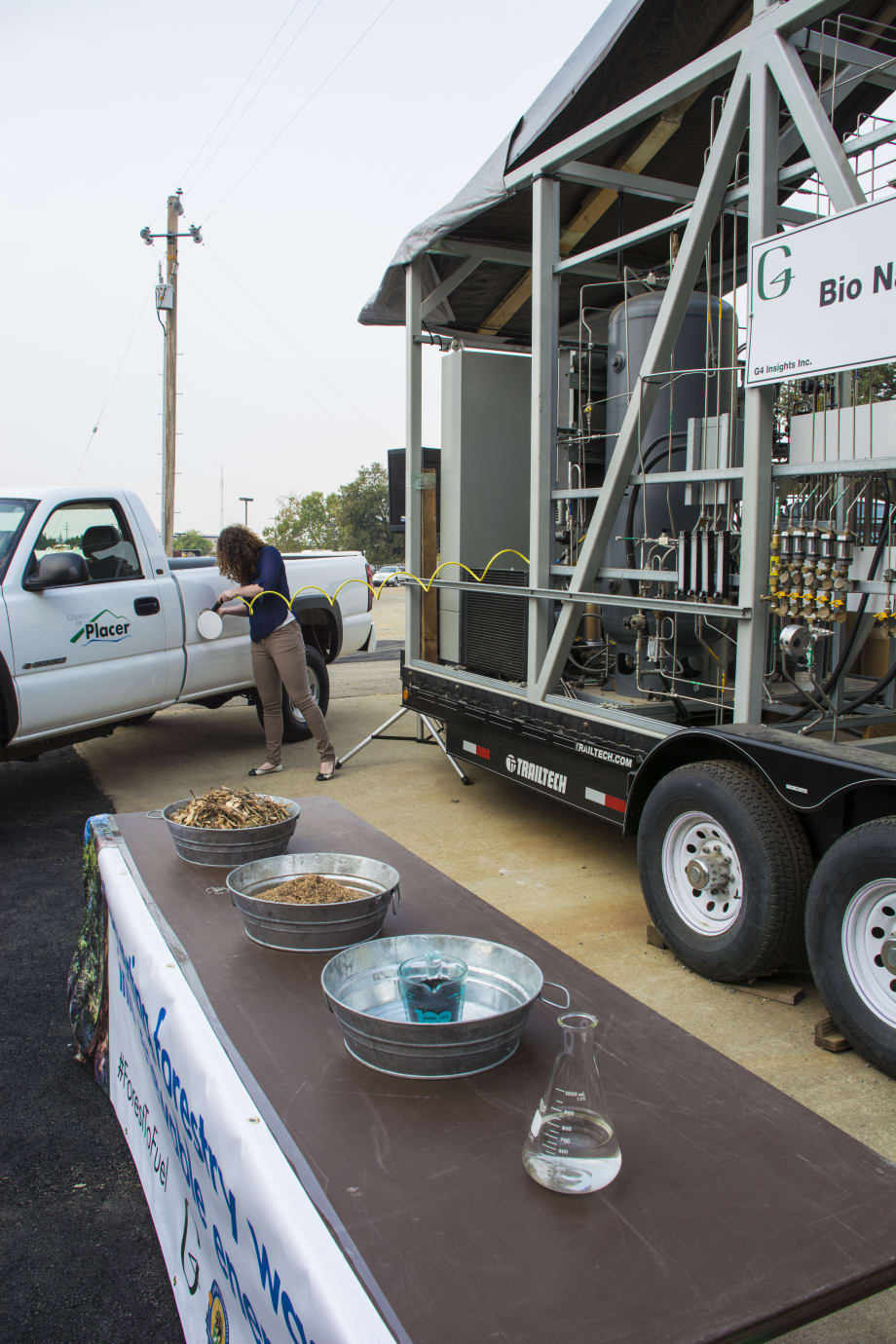
Photo courtesy of Placer County.
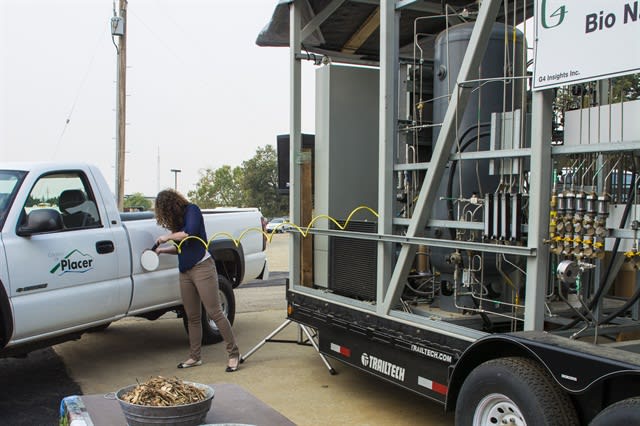
Photo courtesy of Placer County.
A number of project partners demonstrated a new technology for converting forest waste into renewable natural gas (RNG) in Placer County, Calif.
The process, developed by Canadian firm G4 Insights, converts scraps and small trees from forest thinning projects into biomethane. In the public demonstration, G4 used gas produced on site to fuel an unmodified Placer County truck.
“G4 is pleased to have the opportunity to partner with Placer County, California Energy Commission, Southern California Gas Company, and U.S. Endowment for Forestry and Communities to make this project a great success,” said G4 principal Matt Babicki. “This project demonstrates the potential for G4 PyroCatalytic Hydrogenation technology to transform forestry waste into high value, low carbon fuel, and support forestry communities with long term jobs to collect biomass and operate G4 renewable natural gas plants.”
While forestry waste in heavily forested areas is typically burned to reduce wildfire hazards, increasing air pollution locally, converting the waste into natural gas instead would reduce air pollution and increase the supply of sustainably produced clean energy, according to a release from Placer County.
In the U.S., there is enough current available and sustainable tree thinning and forestry industry waste to fuel more than 40,000 natural gas fleets the size of Placer County’s.
The RNG conversion technology uses raw, untreated forestry waste that otherwise has no commercial use. The gas it produces reduces fossil emissions by 86 percent compared to standard gasoline, the release added.
G4 received a $1.2 million grant from the California Energy Commission in 2011 to develop the demonstration plant.
More Green Fleet
Sustainability Partners, Energy Systems Group Help Albuquerque Close the Gap on its 100% Renewable Energy Goal
The eight-site, 6 MW solar project has advanced the city toward 100% renewable energy for municipal operations.
Read More →
Port Authority and CALSTART Launch $45 Million Electric Truck and Charging Programs
The programs aim to boost sustainable operations across the East Coast's busiest seaport.
Read More →
Moving Government Fleets Beyond the Vehicle Purchase: EV as a Service
A discussion on how EVaaS is moving beyond pilot programs and what fleets should consider before beginning a larger deployment.
Read More →
Moving Government Fleets Beyond the Vehicle Purchase: EV as a Service
As fleets move beyond small EV pilots, Sustainability Partners CEO Adam Cain explains how EVaaS can address the infrastructure and long-term planning required for larger deployments.
Read More →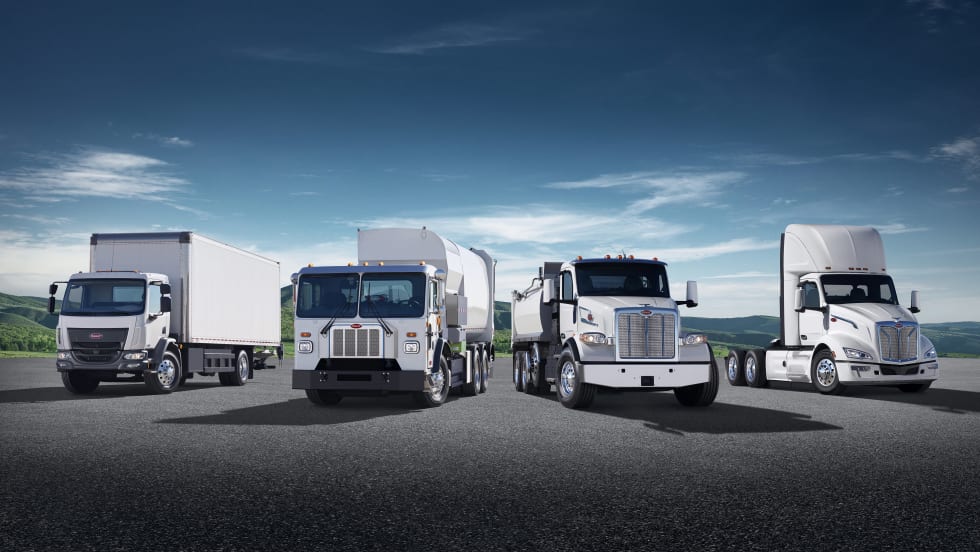
Peterbilt Expands Sourcewell Partnership with Electric Vehicle Lineup
The agreement aims to provide streamlined procurement of Peterbilt trucks for government, education, nonprofit and tribal organizations across the United States and Canada.
Read More →
EV Adoption & Charging Challenges
Where is your fleet in the journey of vehicle electrification? If you're still looking for answers to fleet electrification you've come to the right place.
Read More →
Hawaii Passes Clean Fuel Policy
Hawaii lawmakers passed clean fuel legislation that could support renewable natural gas production, biogas-powered transportation, and lower-carbon fueling options for public and commercial fleets.
Read More →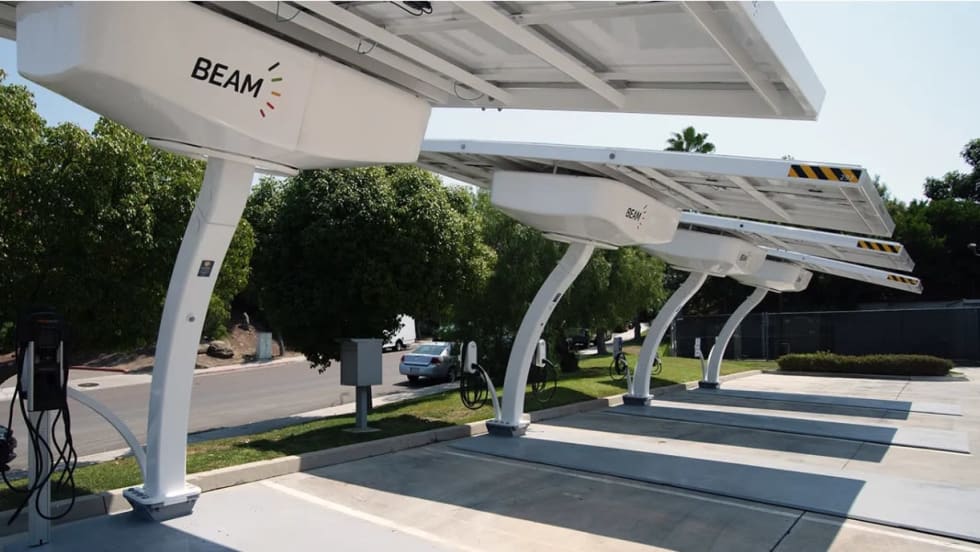
Stanislaus County Deploys Ten Beam Global EV ARC Systems to Support County Fleet Electrification
Stanislaus County deployed 10 off-grid solar-powered EV charging systems and a mobile charging trailer from Beam Global to support its electric fleet operations and emergency response flexibility.
Read More →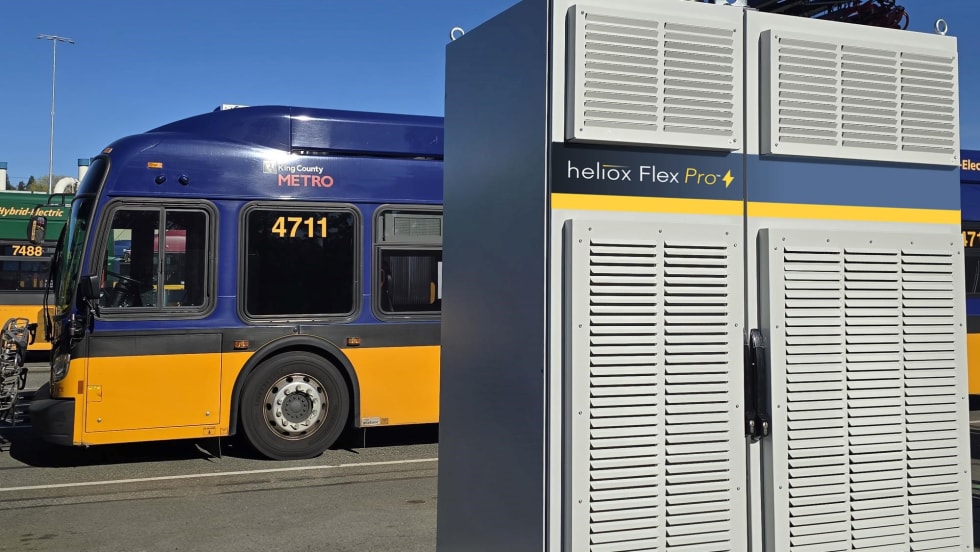
Heliox Pilots 480-kW Bus Charger with King County Metro
King County Metro is piloting Heliox’s new 480-kW Flex Pro charger to support expansion of its battery-electric bus fleet and depot charging infrastructure. The compact charging system supports pantograph and plug-in charging configurations for high-density transit operations.
Read More →