




Austin Tests New Tech for Compost Trucks
The City of Austin, Texas, is fitting collection carts with RFID chips and equipping vehicles with scanners, which allow management to see where trucks are and whether drivers should be rerouted.
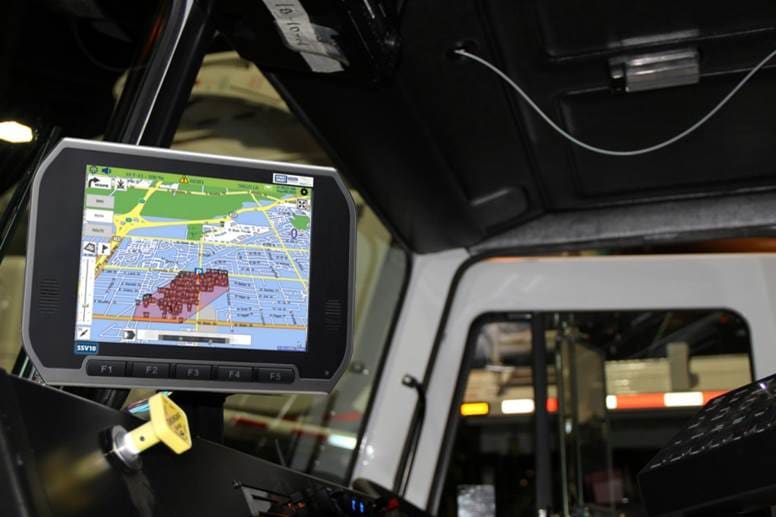
Photo courtesy of Austin Resource Recovery

Photo courtesy of Austin Resource Recovery
The City of Austin is piloting new vehicle technology for its collection vehicles. The technology would give project leadership better visibility of activities in the field, and will allow them to better allocate assets in real time.
Austin Resource Recovery is testing technology from FleetMind, which specializes in vehicle technology for waste collection. Collection carts are fitted with RFID chips, and collection vehicles are equipped with scanners, which allow management to see where trucks are and whether drivers should be rerouted to help drivers who are behind. This would potentially reduce overtime costs and improve productivity.
The pilot will cost the city an estimated $350,000 and will be conducted in two phases, according to Mike Turner, Austin Resource Recovery division manager.
Phase 1 will evaluate the technology in six supervisor vehicles and 14 collection vehicles, looking at the operability of the technology in the trucks and considering routing, identifying exception activities in the field, and other factors. Phase 2 will focus on ensuring the city’s billing system and customer service system can communicate with the technology. Turner anticipates completion of both phases by the end of fiscal-year 2018.
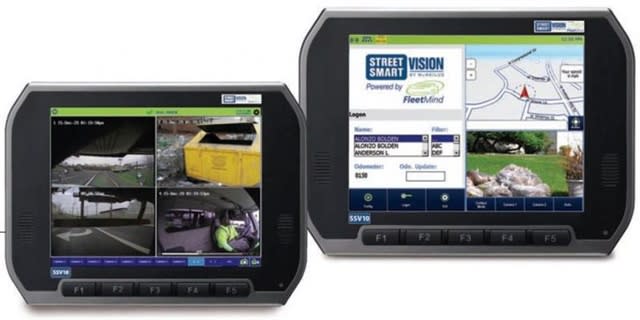
Photo courtesy of Austin Resource Recovery
“We anticipate a significant reduction in missed collections, once we go live as well as eliminating most of the manual processes we currently have,” Turner said. “The turn-by-turn micro routing should reduce miles travelled and drive time, both of which reduces vehicle [wear] and lowers our risk exposure.”
The program also plans on installing cameras in vehicles to maximize the functionality of the vehicle technology project, reduce risk, and improve customer relations. Cameras were not included in the original purchase request, so a timeline for the cameras has not been established.
More Software
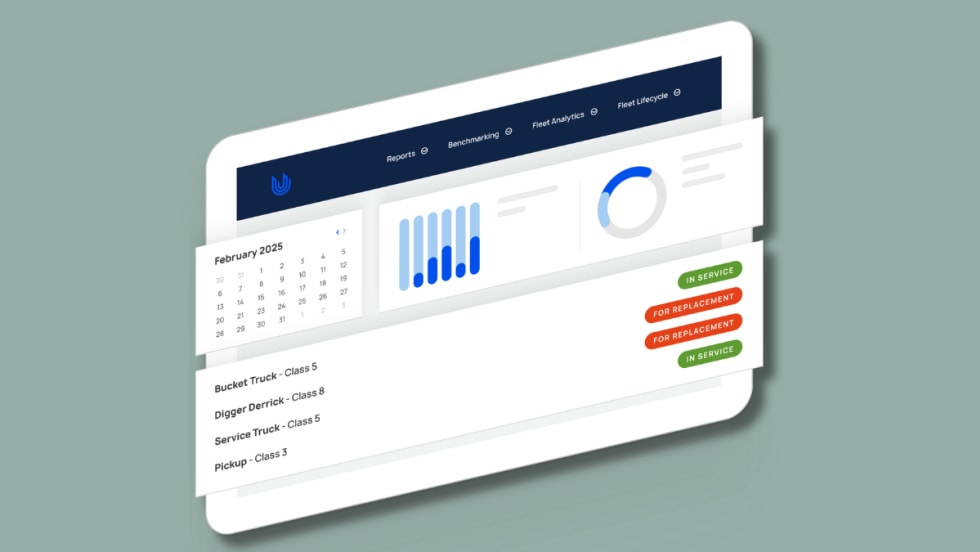
Utilimarc Introduces Vehicle Replacement Planning Tool
Replacing fleet vehicles often involves balancing budgets, maintenance costs, and operational needs. Utilimarc's new planning tool is designed to help fleet managers evaluate replacement priorities using existing fleet data.
Read More →
Samsara Introduces New Brand Identity
The company behind one of the fleet industry's largest connected operations platforms has unveiled a new look. The updated branding reflects Samsara's growing emphasis on AI-driven tools and digital fleet management.
Read More →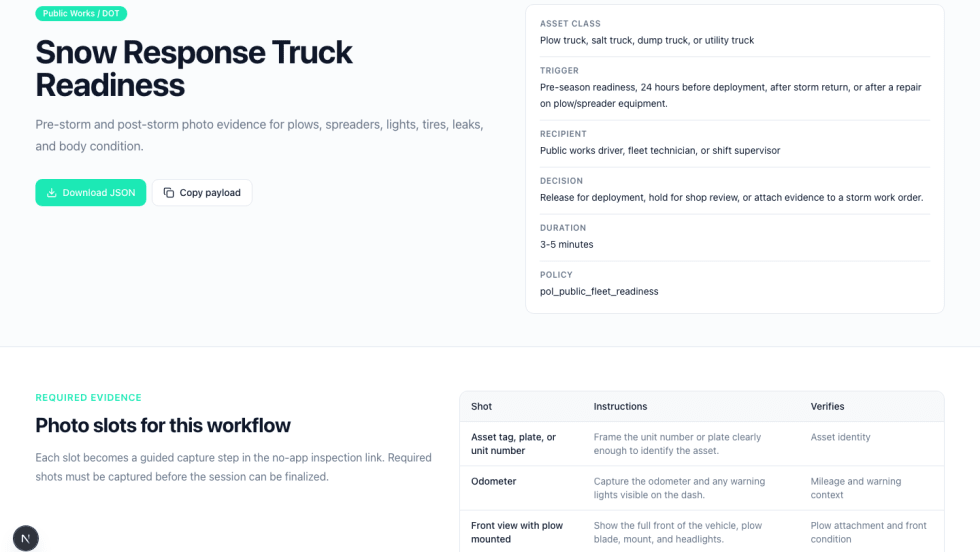
Switch Labs Launches VerifyAI Readiness Kit for Public Fleets
Fleet inspections often rely on paper forms, inconsistent documentation, or manual photo collection. A new toolkit from Switch Labs is designed to give public agencies a more structured way to verify vehicle readiness and track condition over time.
Read More →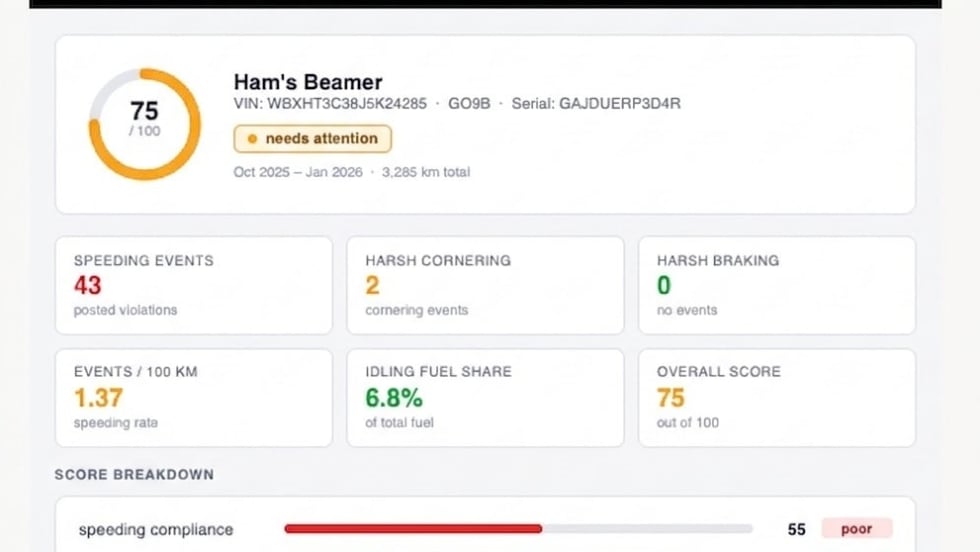
Geotab Launches AI Connector for Fleets
New Geotab MCP Connector enables organizations to securely access live fleet data, automate workflows and take action from within the AI platforms they already use.
Read More →
Ford Adds AI Fleet Assistant to Ford Pro Telematics Platform
AI-driven insights allow fleet managers to query vehicle data, track performance trends, and identify maintenance needs across connected fleets.
Read More →
Report Finds 53.3% of Fleets Researching or Piloting AI Capabilities
New benchmark data highlights the cost pressures, maintenance delays, and workforce constraints shaping fleet operations in 2026.
Read More →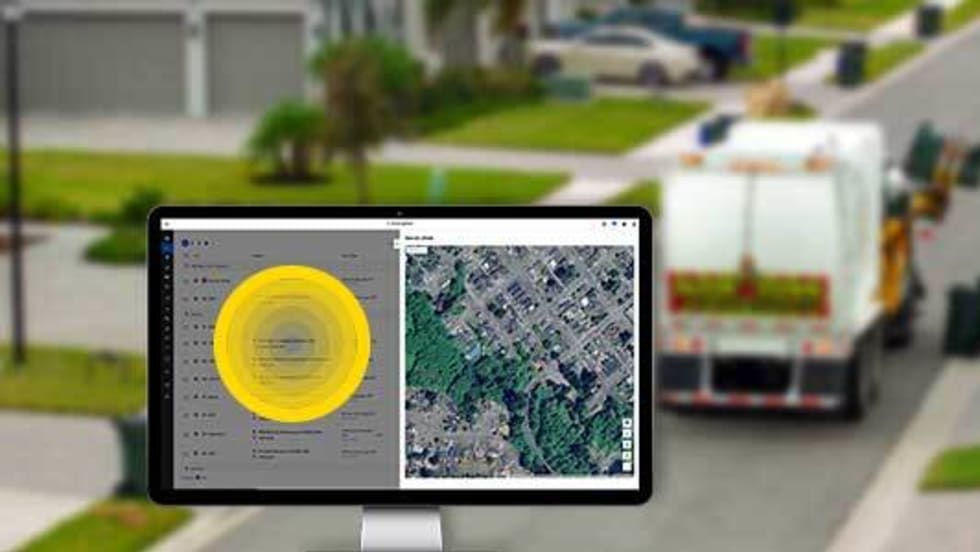
3 Ways Fleet Tech Builds Public Trust
Managing a state or local fleet comes with levels of accountability private companies don’t have. Read how modern fleet technology helps elevate visibility and safety to strengthen community trust.
Read More →
Geotab Expands Sourcewell Contract Adding Video Telematics, Asset Tracking, Data Analytics Solutions for Public Sector
Geotab has expanded its cooperative purchasing contracts with Sourcewell to include additional telematics and data solutions for public sector fleets.
Read More →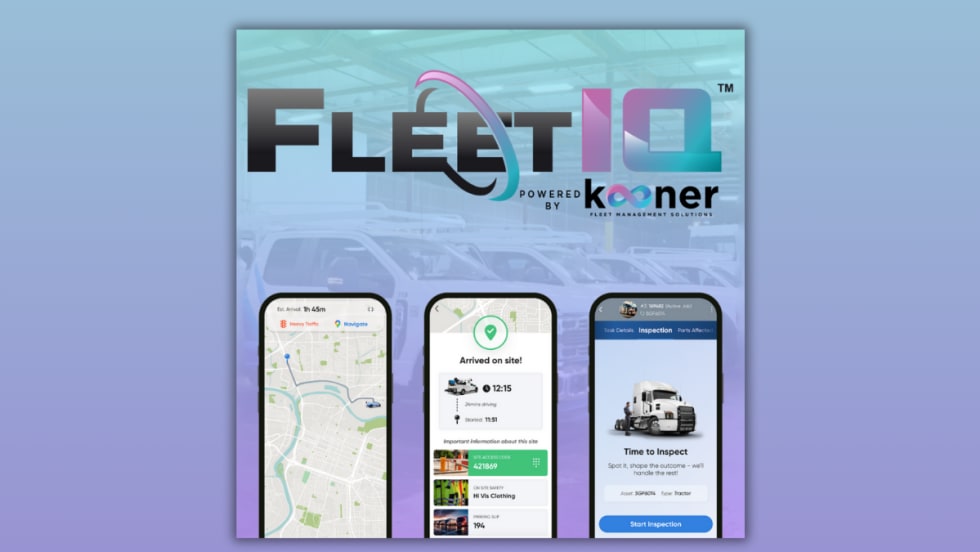
Kooner Fleet Management Launches FleetIQ, A Next-Generation Fleet Maintenance Tech Platform
Kooner Fleet Management Solutions has launched FleetIQ, a new platform that uses predictive analytics and automation to improve fleet uptime, streamline service operations, and support data-driven decision-making.
Read More →
Streamlined Maintenance and Repair Options Now Available for Canadian Fleets
Fleetio expands its Maintenance Shop Network into Canada, giving fleets access to verified repair shops, real-time tracking, and automated approvals.
Read More →