




Related: Ford Recalls Multiple Models for Potential Oil Leaks
Austin PD Installs Carbon Monoxide Detectors in Vehicles
The Austin (Texas) Police Department has purchased 400 carbon monoxide detectors to be installed in all of its patrol vehicles.

Roselynne Reyes・Senior Editor
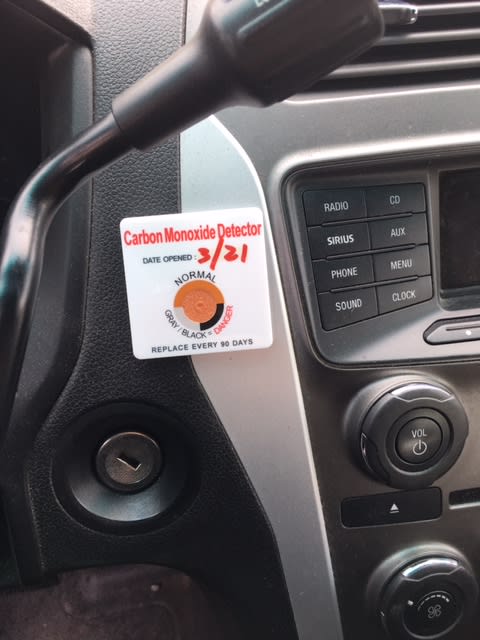
Photo of carbon monoxide detection stickers courtesy of Austin PD
2 min to read
Photo of carbon monoxide detection stickers courtesy of Austin PD
The Austin (Texas) Police Department has purchased 400 carbon monoxide detectors to be installed in all of its patrol vehicles after an officer became ill from carbon monoxide poisoning.
The purchase was initially sparked by an ongoing investigation from the National Highway Safety Administration (NHTSA) into Ford Explorers and Ford Police Interceptors over possible carbon monoxide leaks. Assistant Police Chief Ely Reyes said Austin PD has 362 Ford Police Interceptor Utilities in its fleet, and the agency has been working with the City of Austin's Fleet Services Department to identify a solution.
But the purchasing process was expedited after an incident last weekend, when an Austin Police sergeant reported feeling sick while driving his patrol car. He was taken to a hospital, where doctors found high levels of carbon monoxide in his body, according to KIDY.
In response to the incident, Ford has said:
"We take the safety of our customers very seriously. In rare circumstances, there have been instances where customers detected an exhaust odor in Explorers. While we believe this poses no safety risk, Ford just learned of the Austin Police Department report and has not had the opportunity to inspect this particular vehicle. Ford will work with the police department to investigate the issue. If customers have a concern with their vehicle, they are encouraged to contact their local Ford dealer."
Austin PD placed an order for electronic carbon monoxide detectors on Monday, which emit an audible alarm if carbon monoxide levels reach a certain threshold. When the detectors arrive, Reyes said installation is expected to take about three weeks.
In the meantime, the agency ordered stickers that change colors when carbon monoxide is detected. The stickers arrived Tuesday, and installation has already begun. The stickers have a useful life of 90 days, which should allow enough time for the electronic detectors to arrive and get installed across the fleet.
More Police
Ford Pro Introduces Full-Size 2028 Expedition Police Responder
Ford Pro gave law enforcement customers a first look at the pursuit-rated utility during Police Fleet Expo.
Read More →
Paterson Police Expand Drone Fleet, Launch Real-Time Operations Center
The Paterson Police Department has expanded its drone program and opened a new Real-Time Operations Center designed to support emergency response and incident management. The initiative integrates multiple technologies to provide officers with real-time information during investigations and public safety operations.
Read More →
Why Public Fleet Success Depends on More Than the Vehicles
Tim Coxwell of the Leon County Sheriff’s Office discusses the projects shaping his fleet operation, including long-term work around vehicle selection, greenhouse gas emissions, and cost per mile.
Read More →
Havis Acquires Pro-gard Products
The acquisition brings together two manufacturers of public safety vehicle equipment under one company. Havis says the move expands its portfolio of products for outfitting law enforcement vehicles and other public safety fleets.
Read More →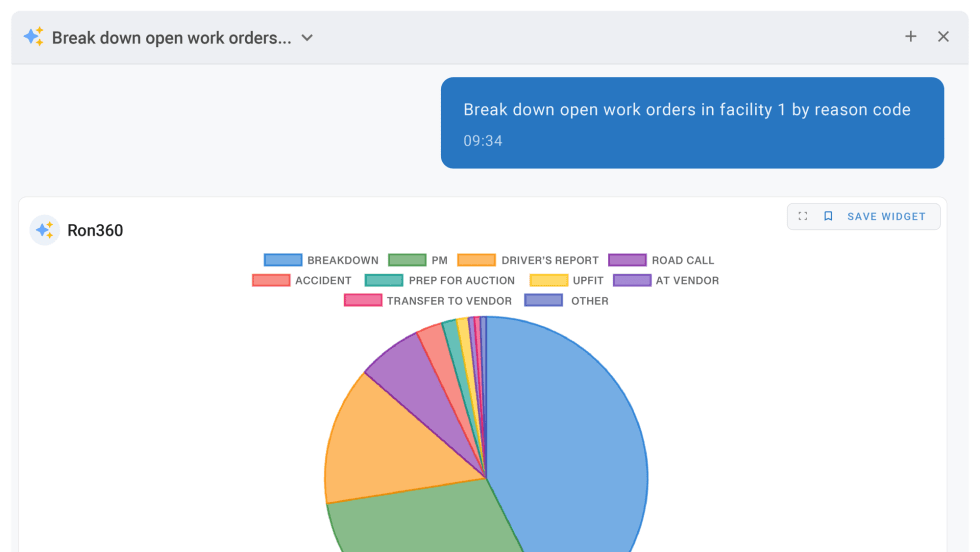
RTA Fleet Introduces AI Assistant for Fleet360 Platform
As artificial intelligence continues to gain traction across public-sector operations, fleet software providers are finding new ways to incorporate the technology into everyday workflows. RTA's latest addition aims to simplify how users interact with fleet data.
Read More →
2026 Police Fleet Innovators Named
Meet the professionals finding new ways to solve some of law enforcement's toughest fleet challenges.
Read More →
Rynse Expands Nationwide Fleet Wash Access for Law Enforcement
The North Carolina Sheriff’s Association Contract Cooperative purchasing contract aims to streamline procurement process for law enforcement agencies across the U.S.
Read More →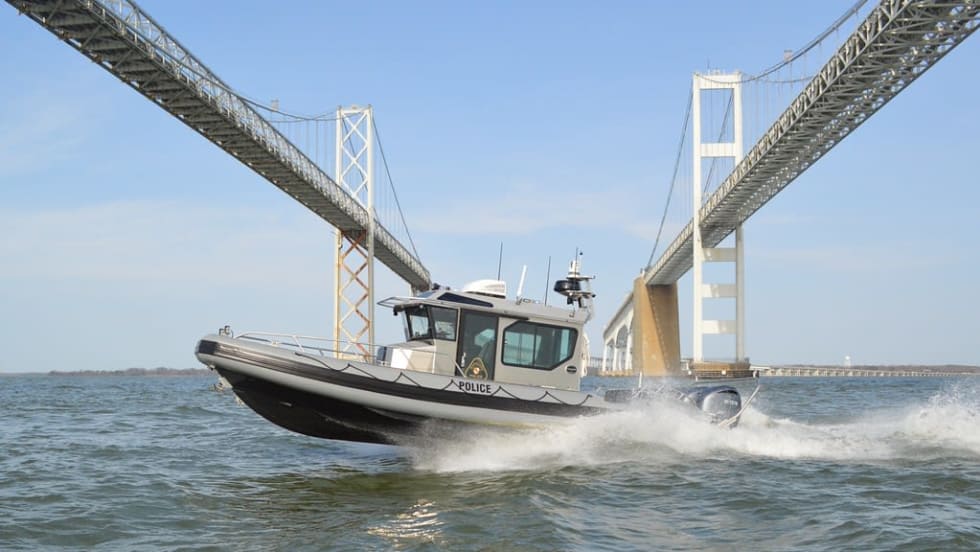
Maryland Natural Resources Police Adds 31-Foot Patrol Boat to Enforcement Fleet
A new addition to Maryland’s marine enforcement fleet is bringing expanded capabilities to Chesapeake Bay operations while honoring a legacy within the agency. The high-performance patrol vessel reflects how law enforcement fleets are adapting to growing demands on the water.
Read More →
LEHR Expands Florida Presence With Enforcement One Acquisition
LEHR has acquired Florida-based emergency vehicle upfitter Enforcement One, marking its eighth add-on acquisition.
Read More →
Maryland’s Wicomico County Sheriff Adds Mustang GT Patrol Vehicles
The agency is also working with the Maryland Police Training Commission on a specialized high-performance driving course for deputies assigned to the vehicles.
Read More →