




Audit Recommends Nevada Highway Patrol Reduce Fleet Size
CARSON CITY, NV - The Internal Affairs division said reducing the fleet size could save up to $7.2 million in one-time purchase costs and up to $1.8 million annually.
CARSON CITY, NV – The Nevada Department of Administration’s Division of Internal Affairs issued an audit report in December of the Nevada Highway Patrol’s (NHP) operations, including how it manages its fleet.
The major recommendations the report gives include reducing the size of NHP’s fleet and increasing oversight of its fleet operations. The Internal Affairs division said reducing the fleet size could save up to $7.2 million in one-time purchase costs and up to $1.8 million annually.
NHP had a total of 593 patrol vehicles as of August 2012. There are currently 485 authorized sworn office positions open, of which 430 are filled. The report recommends a fleet size of between 416 and 474 vehicles, which would be a 20 – 30% decrease in fleet size.
The report covers how many vehicles NHP’s fleet should have in different phases of the vehicles’ lifecycle schedules. The phases include pre-deployment, deployment (operational use), and post-deployment (before NHP turns the vehicles over to the Nevada State Purchasing department). The report recommends NHP have 396 to 451 vehicles deployed and 20 to 23 vehicles split between the pre- and post-deployment phases.
Total savings from the reduced fleet size start at a one-time amount of $4.826 million if the fleet size matches the number of sworn officer positions open. Savings increase to $7.2 million if NHP reduces the fleet size to the number of actual filled sworn officer positions. Internal Affairs used the same two scenarios to calculate annual savings, which start at $1.2 million and go as high as $1.8 million.
The NHP responded to the Internal Affairs’ division and said it accepted the recommendation to reduce its fleet size.
Beyond reducing the NHP’s fleet’s size, the Internal Affairs division estimates that increasing oversight of fleet operations could save up to $426,000 annually. The report says regional commands manage repair and radio shops that provide both vehicle- and radio-related services. At the regional commands, the report notes sworn officers who have other duties are managing shop operations. The report says officers may not be managing shop operations effectively due to the need to split their workload among different duties. As an example, the Internal Affairs’ division’s report said it found that less than 50% of recorded available hours were productive for repair shop mechanics whereas the NHP’s goal is 80%, according to the audit.
Other oversight-related findings include incomplete or incorrect work orders, a non-functional bar code system (for tracking parts and associating them with specific work orders, for example), and a lack of documentation for physical inventories.
The NHP also accepted the report’s recommendations for ways to improve oversight and said it’s already working to increase oversight and coordination of fleet operations. NHP said it separated work order and inventory management for radio repairs from fleet repairs. NHP also said it assigned two administration assistants to track regional command work orders, that it created a new monthly fleet management report to summarize vehicle assignments and lifecycle status (age and mileage), and that it plans to monitor work orders and labor utilization against the targets in the audit report.
By Greg Basich
More Police

Ford Pro Introduces Full-Size 2028 Expedition Police Responder
Ford Pro gave law enforcement customers a first look at the pursuit-rated utility during Police Fleet Expo.
Read More →
Paterson Police Expand Drone Fleet, Launch Real-Time Operations Center
The Paterson Police Department has expanded its drone program and opened a new Real-Time Operations Center designed to support emergency response and incident management. The initiative integrates multiple technologies to provide officers with real-time information during investigations and public safety operations.
Read More →
Why Public Fleet Success Depends on More Than the Vehicles
Tim Coxwell of the Leon County Sheriff’s Office discusses the projects shaping his fleet operation, including long-term work around vehicle selection, greenhouse gas emissions, and cost per mile.
Read More →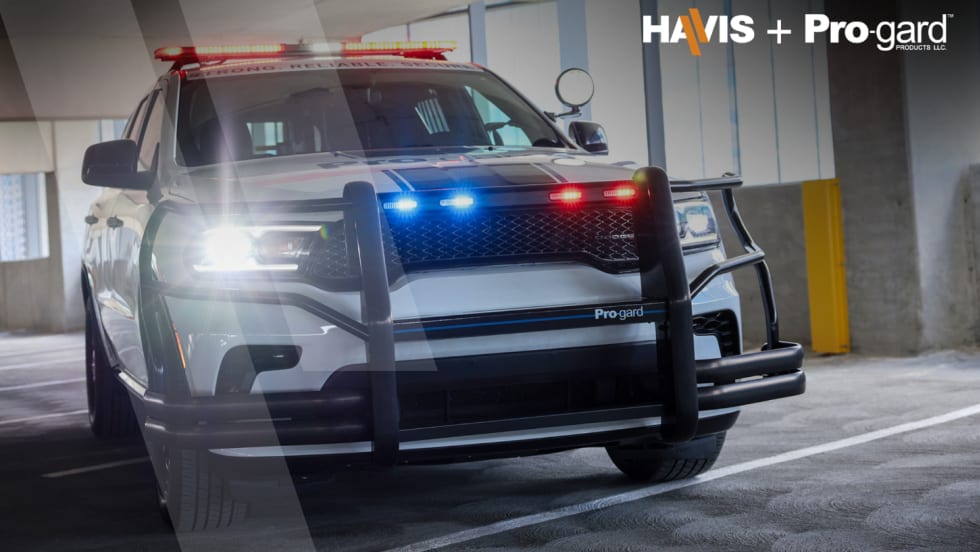
Havis Acquires Pro-gard Products
The acquisition brings together two manufacturers of public safety vehicle equipment under one company. Havis says the move expands its portfolio of products for outfitting law enforcement vehicles and other public safety fleets.
Read More →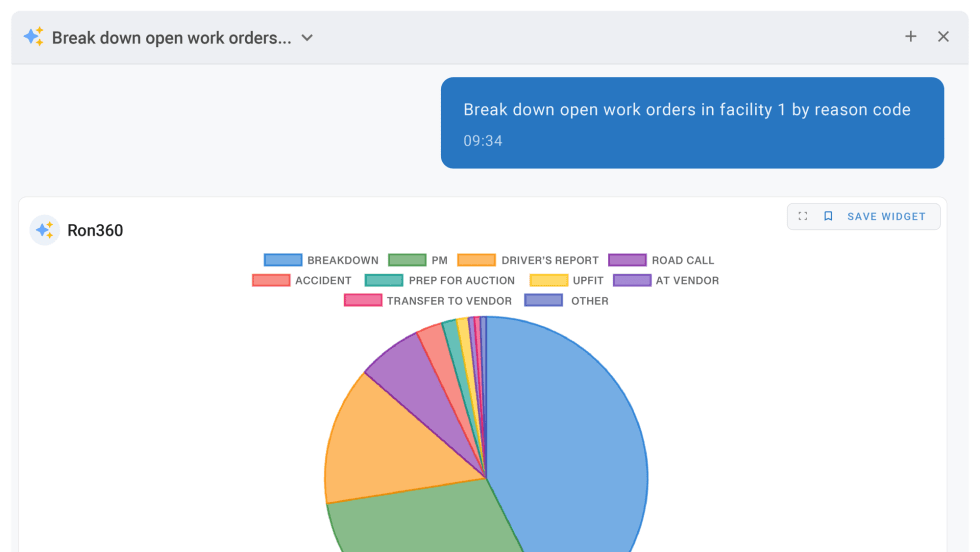
RTA Fleet Introduces AI Assistant for Fleet360 Platform
As artificial intelligence continues to gain traction across public-sector operations, fleet software providers are finding new ways to incorporate the technology into everyday workflows. RTA's latest addition aims to simplify how users interact with fleet data.
Read More →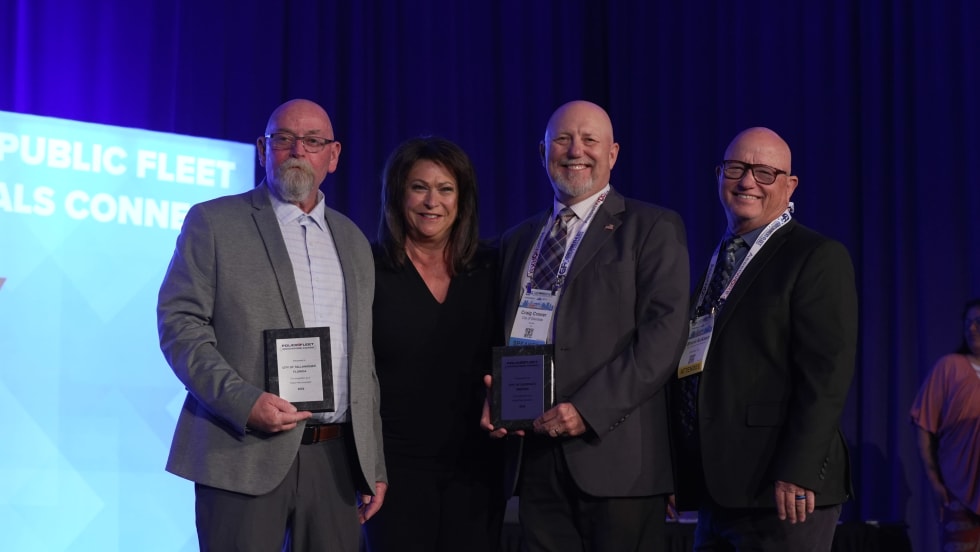
2026 Police Fleet Innovators Named
Meet the professionals finding new ways to solve some of law enforcement's toughest fleet challenges.
Read More →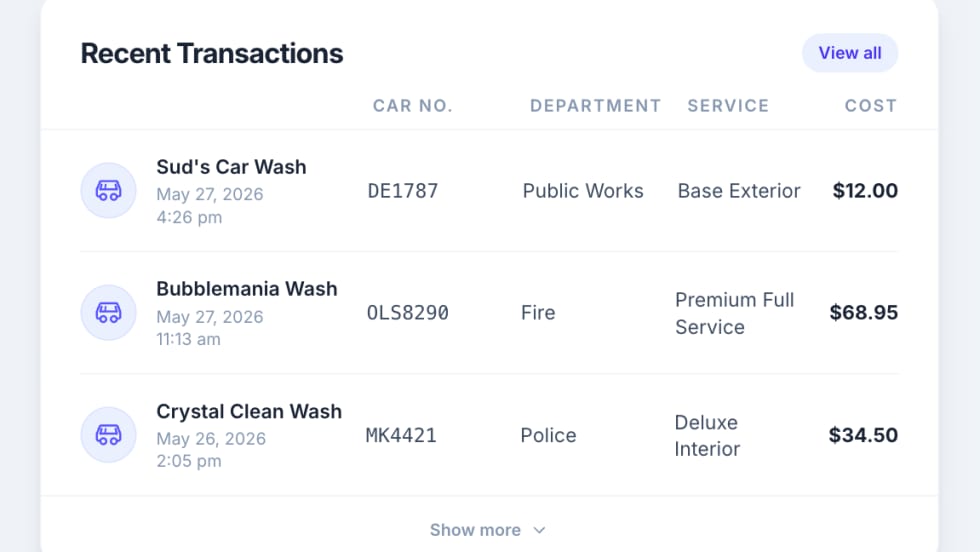
Rynse Expands Nationwide Fleet Wash Access for Law Enforcement
The North Carolina Sheriff’s Association Contract Cooperative purchasing contract aims to streamline procurement process for law enforcement agencies across the U.S.
Read More →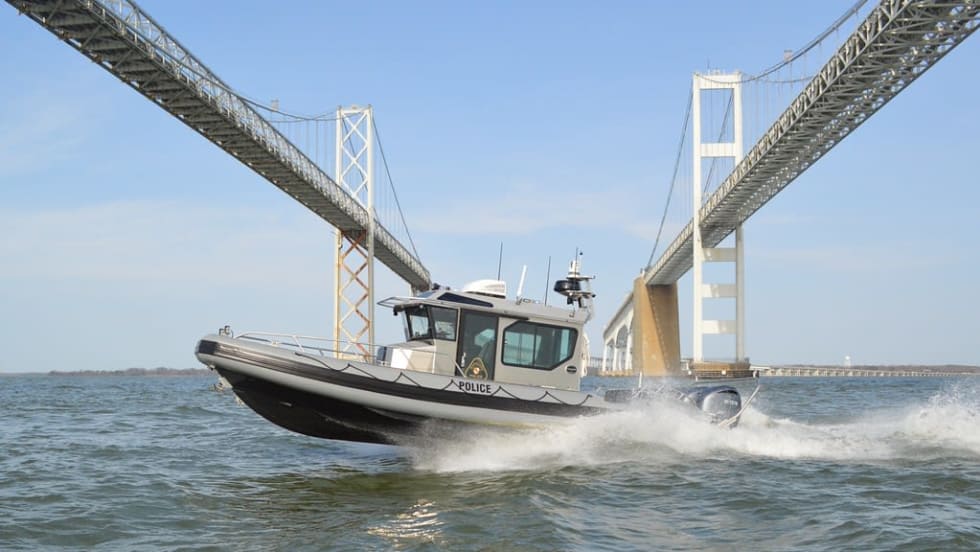
Maryland Natural Resources Police Adds 31-Foot Patrol Boat to Enforcement Fleet
A new addition to Maryland’s marine enforcement fleet is bringing expanded capabilities to Chesapeake Bay operations while honoring a legacy within the agency. The high-performance patrol vessel reflects how law enforcement fleets are adapting to growing demands on the water.
Read More →
LEHR Expands Florida Presence With Enforcement One Acquisition
LEHR has acquired Florida-based emergency vehicle upfitter Enforcement One, marking its eighth add-on acquisition.
Read More →
Maryland’s Wicomico County Sheriff Adds Mustang GT Patrol Vehicles
The agency is also working with the Maryland Police Training Commission on a specialized high-performance driving course for deputies assigned to the vehicles.
Read More →