





Relate: NYC Fleet Plans to Achieve 50% Greenhouse Gas Emissions Reduction by 2025
Another NYC Operation Goes All-Electric
The Mayor’s Office Street Conditions Observation Unit is the latest operation to go all-electric with their fleet.
December 3, 2024
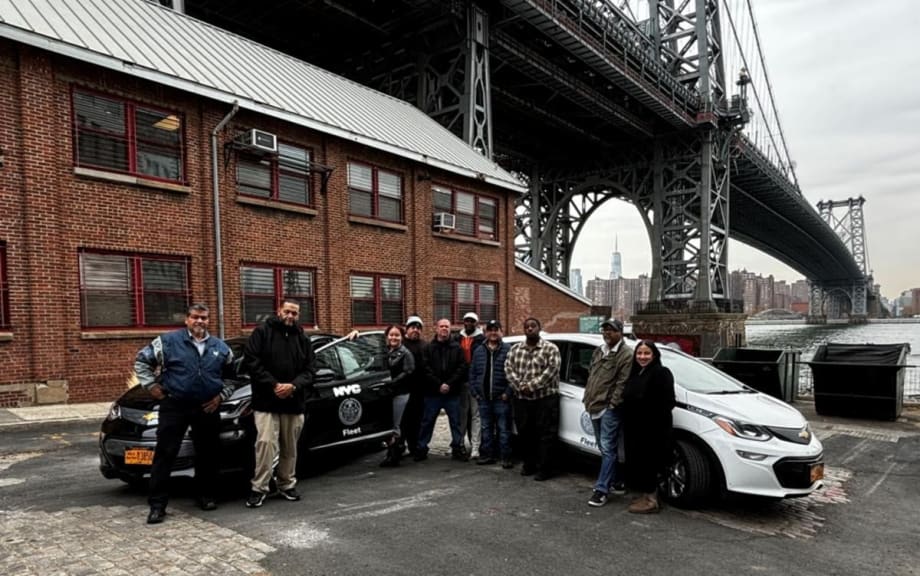
The Street Conditions Observation Unit is comprised of two programs, SCOUT and Scorecard, and has been operating since October 2007.
Photo: NYCDCAS
2 min to read
The latest NYC operation to go all-electric with their fleet is the Mayor’s Office Street Conditions Observation Unit (SCOUT). SCOUT joins the Department for the Aging (DFTA), the Department of Cultural Affairs (DCLA), Landmarks, Actuary, DCAS Citywide Pool Fleet, Department of Records (DORIS), Veteran’s Affairs, and GrowNYC in completing the transition to plug-in fleet units.
NYC’s Commitment to an All-Electric Fleet
In October 2023, NYC Mayor Eric Adams signed Local Law 140 of 2023, which calls for the NYC fleet to go all-electric by 2035 for light and medium duty units and 2038 for trucks where available. The fleet operates over 55 agencies and offices and supports hundreds of distinct service operations.
The Street Conditions Observation Unit is comprised of two programs, SCOUT and Scorecard, and has been operating since October 2007. Both programs are stationed within the NYC Mayor’s Office of Operations and are an intergovernmental collaboration of 12 Inspectors from 6 different agencies: DCAS, Buildings, Environmental Protection, Parks, Transportation, and Sanitation.
SCOUT and Scorecard: On-the-Ground Operations
SCOUT Inspectors drive every city street to identify and report on any potential issues regarding quality of life. SCOUT inspectors monitor various problems, including graffiti, litter, abandoned vehicles, potholes, missing street signs, sewer, and bus shelter maintenance.
Scoreboard Inspectors are also canvassing all city streets, organized by community board (CB). Scoreboard inspectors focus on street and sidewalk cleanliness and organize their results into CB-based cleanliness scores. These scores help monitor the success of city agencies charged with public space maintenance.
All of these inspections take place using all-electric vehicles. Today, SCOUT utilizes a fleet of 12 all-electric Chevy Bolts supplied through DCAS. Inspectors drive nearly 6,000 miles annually and use DCAS fast chargers for 91% of their charge-ups. DCAS has installed 323 fast chargers at city agencies in a network meant to be shared. SCOUT is an excellent example of this resource sharing, using fast chargers at nine separate agencies to power their vehicles.
“The early days of the EV fleet transition was not easy for our unit. Although SCOUT was selected to Pilot the electric Mini Cooper in 2010, many of the inspectors, including myself, still had concerns about the electric vehicle’s power in inclement weather, whether charging would impact productivity, and where we would charge these vehicles," said SCOUT Manager Jamal West. "In 2019, SCOUT, along with other city fleets, was allowed to bring on the Chevy Bolts, and we were impressed with the charge distance and features of the Bolts. Soon after, Scorecard also swapped out the gas vehicles for electric ones. I can confidently say our fears and concerns about electric vehicles are a thing of the past.”
More Green Fleet
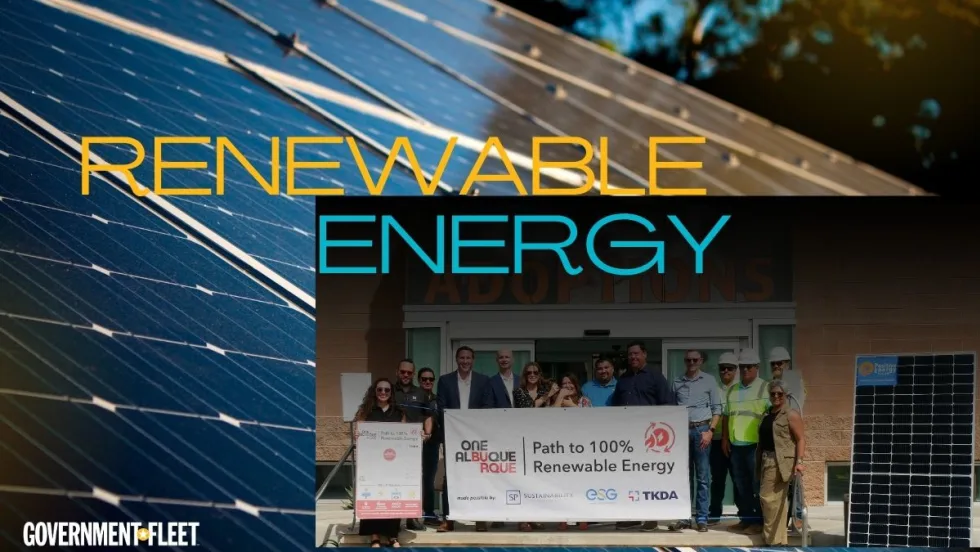
Sustainability Partners, Energy Systems Group Help Albuquerque Close the Gap on its 100% Renewable Energy Goal
The eight-site, 6 MW solar project has advanced the city toward 100% renewable energy for municipal operations.
Read More →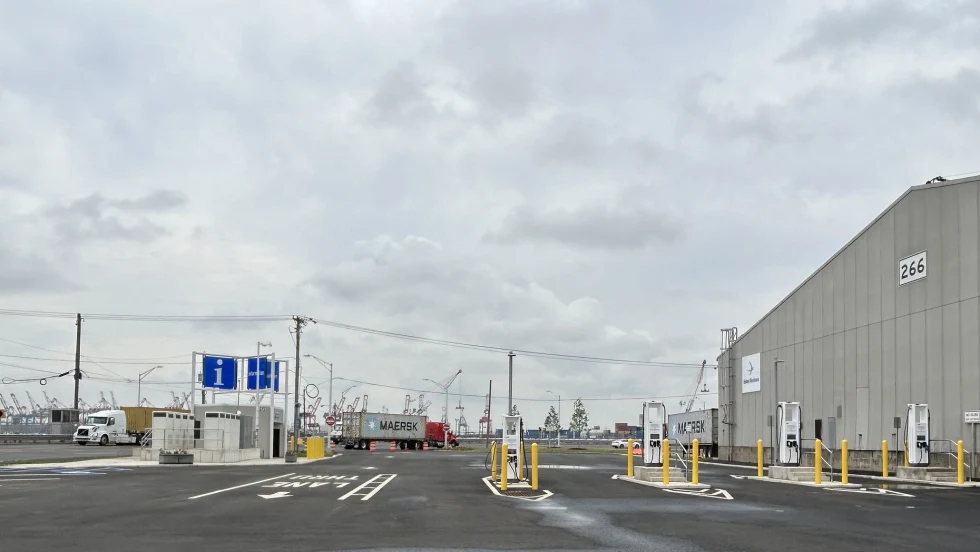
Port Authority and CALSTART Launch $45 Million Electric Truck and Charging Programs
The programs aim to boost sustainable operations across the East Coast's busiest seaport.
Read More →
Moving Government Fleets Beyond the Vehicle Purchase: EV as a Service
A discussion on how EVaaS is moving beyond pilot programs and what fleets should consider before beginning a larger deployment.
Read More →
Moving Government Fleets Beyond the Vehicle Purchase: EV as a Service
As fleets move beyond small EV pilots, Sustainability Partners CEO Adam Cain explains how EVaaS can address the infrastructure and long-term planning required for larger deployments.
Read More →
Peterbilt Expands Sourcewell Partnership with Electric Vehicle Lineup
The agreement aims to provide streamlined procurement of Peterbilt trucks for government, education, nonprofit and tribal organizations across the United States and Canada.
Read More →
EV Adoption & Charging Challenges
Where is your fleet in the journey of vehicle electrification? If you're still looking for answers to fleet electrification you've come to the right place.
Read More →
Hawaii Passes Clean Fuel Policy
Hawaii lawmakers passed clean fuel legislation that could support renewable natural gas production, biogas-powered transportation, and lower-carbon fueling options for public and commercial fleets.
Read More →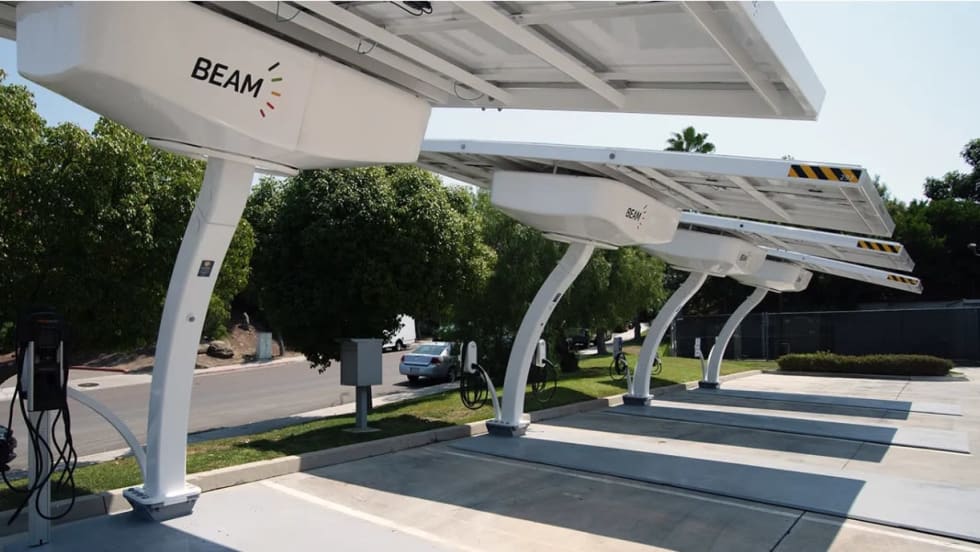
Stanislaus County Deploys Ten Beam Global EV ARC Systems to Support County Fleet Electrification
Stanislaus County deployed 10 off-grid solar-powered EV charging systems and a mobile charging trailer from Beam Global to support its electric fleet operations and emergency response flexibility.
Read More →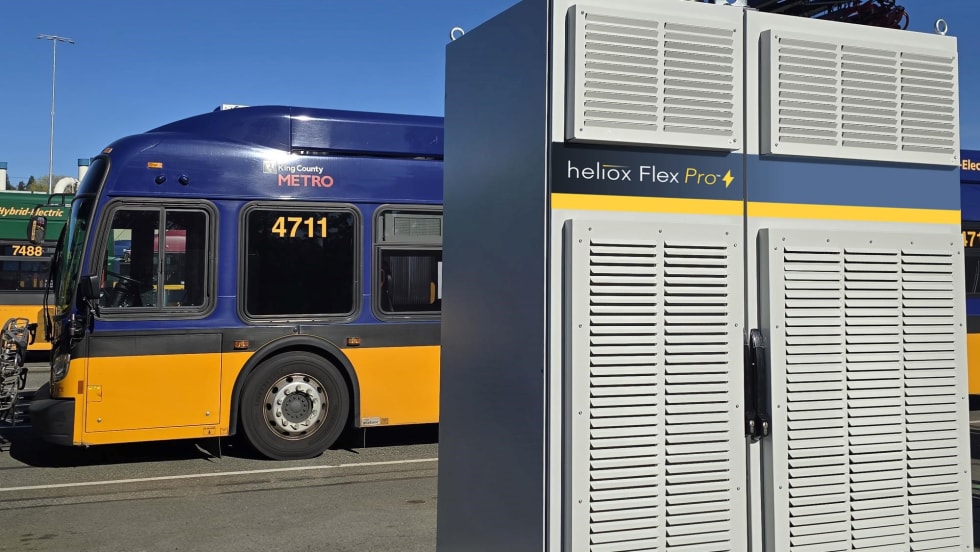
Heliox Pilots 480-kW Bus Charger with King County Metro
King County Metro is piloting Heliox’s new 480-kW Flex Pro charger to support expansion of its battery-electric bus fleet and depot charging infrastructure. The compact charging system supports pantograph and plug-in charging configurations for high-density transit operations.
Read More →