




Alt-Fuel Workshop Covers CNG Incentives & Resources
GREELEY, CO - Fleet managers, vehicle technicians, fuel and technology providers, government officials, and the general public attended a workshop on compressed natural gas (CNG) technology, including fuel savings and fueling infrastructure, in Colorado on Jan. 24.
GREELEY, CO - With funding from the U.S. Department of Energy, on Jan. 26, Northern Colorado Clean Cities, NC Solar Center/North Carolina State University, and Wake Technical Community College (Raleigh, N.C.) hosted an informational workshop on compressed natural gas (CNG) as an alternative transportation fuel. The audience consisted of fleet managers, vehicle technicians, fuel and technology providers, government officials, and the general public.
The CNG workshop featured an opening presentation by Rich Cregar (Wake Technical Community College) on the use of CNG as an alternative transportation fuel. Cregar’s presentation was supported by Wes Bigger’s (FuelTek Conversion Corp.) presentation on CNG technology and information on economic and environmental incentives and resources. Tracy Ochsner, with the City of Fort Collins, also spoke of the City of Fort Collin’s success with the implementation of CNG vehicles; and Barbara Kirkmeyer, Weld County commissioner, discussed Weld County’s Smart Energy Plan, which includes the installation of several CNG fueling stations along the Highway 85 and I25 corridors in northern Colorado.
CNG used in transportation can reduce fuel costs while reducing harmful transportation-related emissions, thus enhancing the environment. In 2009, Northern Colorado Clean Cities’ members and stakeholders reduced their petroleum use by 638,000 gasoline gallon equivalents (GGE).
More Operations
What Can Disappear After a Fleet Crash?
This week, we look at drone footage, what fleets should document before repairs begin, and share a quick poll.
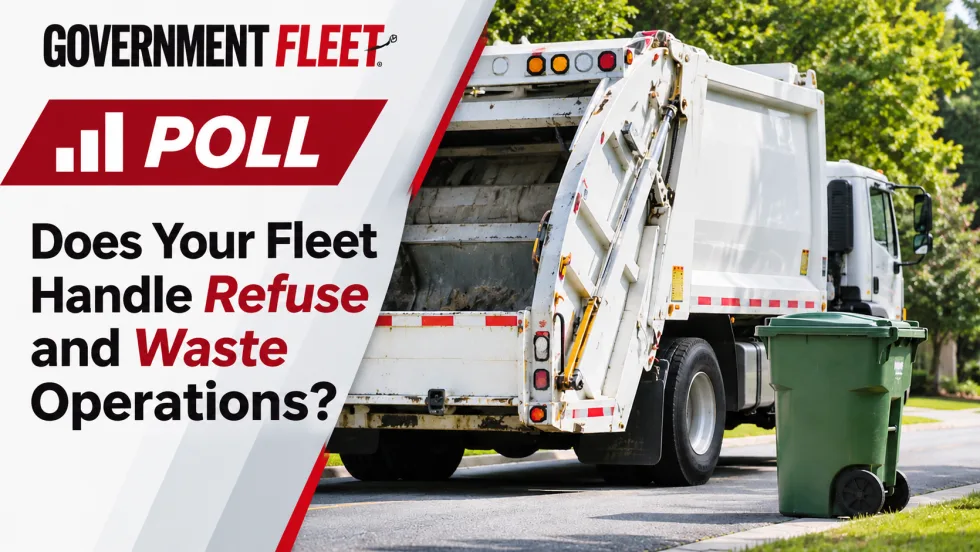
Does Your Government Fleet Handle Refuse and Waste Operations? Take Our Poll
Government Fleet wants to hear from public-sector fleet professionals about their responsibilities for refuse collection and waste management equipment.
Fleet Replacement Decisions, Waste Fleet Technology and the GFX Deadline
Is your next vehicle the right fit, can your records settle a missed pickup dispute, and what could your fleet teach others at GFX 2027?
Is Delaying Fleet Replacement Really Saving Money?
Could delaying replacement cost your fleet more than it saves? This week’s recap takes a closer look, plus an update on GFX 2027.
What Government Fleets Are Missing About Their True Costs
What are fleet budgets missing, and how can agencies use the data they already collect to make a stronger case for change?
Rethinking Fleet Decisions From the Budget Office to the Shop
This October we looked back at how public fleets are reconsidering familiar processes and using what they learn to make better decisions.
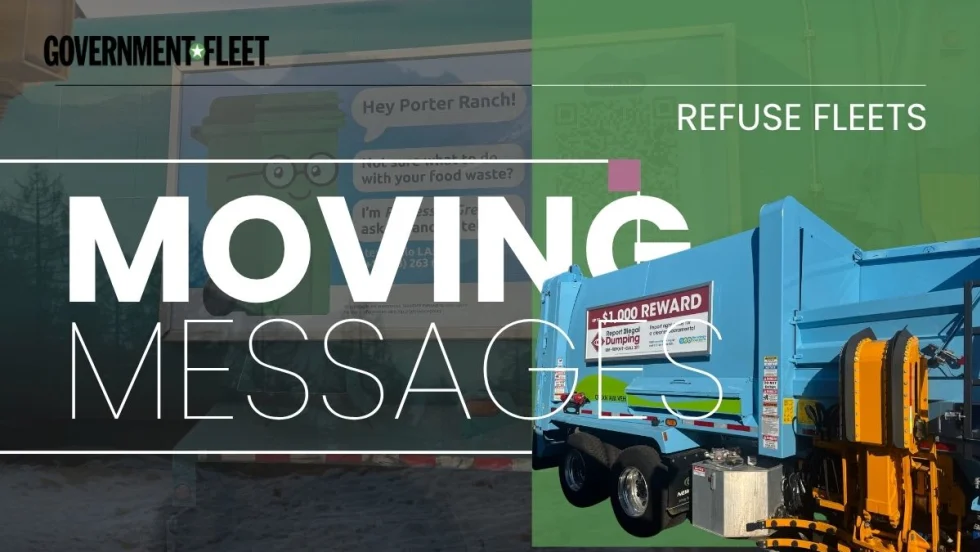
Who Owns the Message on a Refuse Truck?
Refuse trucks can carry public messages into neighborhoods, but keeping those messages current takes planning and clear responsibility.
Who Deserves Fleet Recognition and What Could You Teach at GFX?
Who helped shape your fleet career, and what have you learned that could help someone else?

What’s Haunting Public Sector Fleets?
Public sector fleet challenges rarely happen in isolation, and addressing one often means understanding how it connects to another.

Is Keeping Older Fleet Vehicles Really Saving Money?
Is keeping vehicles longer saving money, and what happens when a diagnostic test points to the wrong fix?