





Related: DC Public Works Expects Savings with New Ride-Sharing Service
Ala. City Tests On-Demand Bus Service
The City of Birmingham, Ala., is partnering with Via to provide an on-demand shared ride service that will complement the existing public transit infrastructure.
October 1, 2019
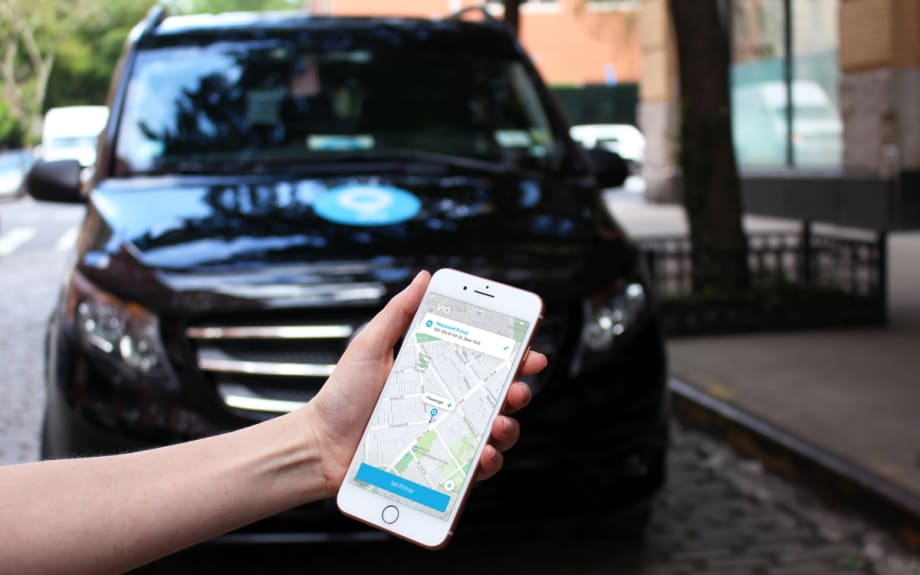
The Via app directs passengers to a nearby corner — a virtual bus stop — for pick up and drop off.
Photo courtesy of Via
1 min to read
The City of Birmingham, Ala., and the Community Foundation of Greater Birmingham is partnering with Via to provide a six-month, on-demand shared ride service that will complement the existing public transit infrastructure, the mobility solutions company announced.
According to local stakeholders, Birmingham's current public transit infrastructure prevents residents in high need and underserved communities from accessing jobs, healthcare, education, and other local opportunities. An on-demand service, powered by Via's technology and using six-seater vehicles, presents an opportunity for the city to provide improve mobility options for residents.
Via’s algorithm enables multiple riders to share a single vehicle. The technology directs passengers to a nearby corner — a virtual bus stop — for pick up and drop off, allowing for shared trips without lengthy detours or inconvenient fixed routes and schedules. The service zone was designed to provide affordable and efficient transportation for high-need and underserved communities and will operate Monday through Saturday. Riders can request a wheelchair-accessible vehicle if it is needed.
The cost for riders is $1.50 per ride.
More Operations

Could Your Next Fleet Technician Start as an Intern?
What if your next technician hasn’t worked in a fleet shop yet? What fleets are doing to free up time.
Read More →
What’s Slowing Your Fleet Down?
Could a change in how work gets done help your fleet return vehicles to service sooner?
Read More →
Can Public Fleets Trust the Data Driving Their Decisions?
Public fleets have more data than ever, but inconsistent records and missing information can still undermine maintenance, replacement, and cost decisions.
Read More →
How Phoenix Is Building Its Next Generation of Fleet Technicians
With more than 8,000 vehicles and pieces of equipment to maintain, the City of Phoenix could not afford to wait for fully trained technicians to walk through the door. Instead, they revamped their entire workforce strategy and showed how public fleets can create their own talent pipeline while preparing existing employees for increasingly complex vehicles.
Read More →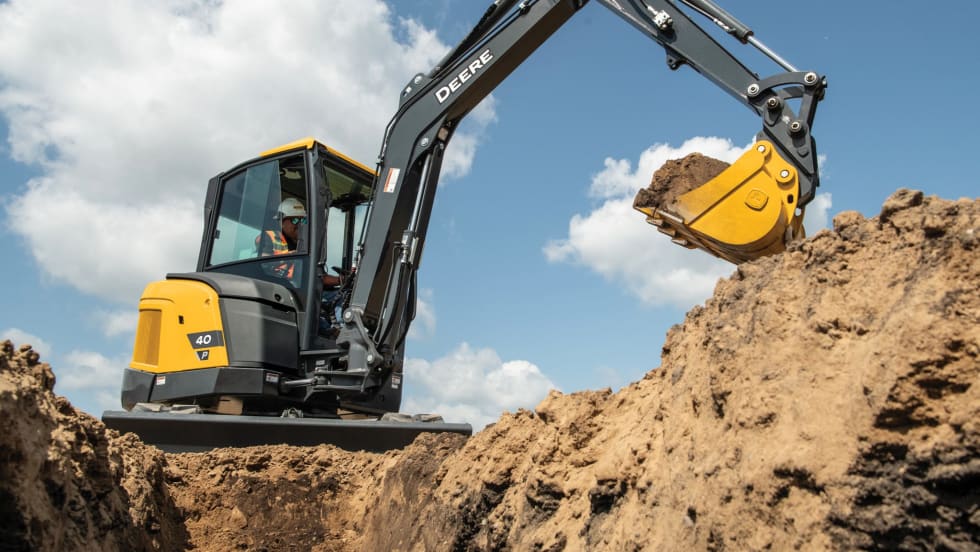
John Deere Introduces 40 P-Tier Compact Excavator
John Deere is adding a compact excavator designed for crews that need to move equipment between jobsites and handle multiple types of work with one machine. The 40 P-Tier weighs less than 10,000 pounds and offers configurable hydraulics, attachment options, and connected fleet-management capabilities.
Read More →
How Leading Fleets Improve and Why Business Plans Matter
This week, we look at what past Leading Fleet winners can teach us about making progress, plus how to build a business plan your fleet will actually use.
Read More →
Nominate a Fleet Leader for the 2027 Public Fleet Hall of Fame
Do you know a fleet leader who has made a lasting impact on the industry? Nominate this fleet professional for the 2027 Public Fleet Hall of Fame.
Read More →
Why Fleet Business Plans Need Three Perspectives
A fleet business plan should help agency leaders understand the fleet’s value, give the organization a clear direction, and establish shared expectations with customer departments.
Read More →
How Oil Analysis, Safety Technology, and Fleet Awards Drive Improvement
What happens when fleets let measured results guide their next decision?
Read More →
Emergency Response, Fleet Sales and New Technology
This week’s fleet news covers emergency preparedness, shifting vehicle sales, electric truck investments, and new tools for monitoring road conditions.
Read More →