




Related: Overcoming the Challenges of Green Fleet Procurement
$21M Approved for Clean Transportation Projects in Southern California
The Mobile Source Air Pollution Reduction Review Committee designed the program so that it can partner directly with eligible cities and counties in California to jump-start clean transportation projects.
by Staff
September 22, 2017
Photo via Pexels
2 min to read
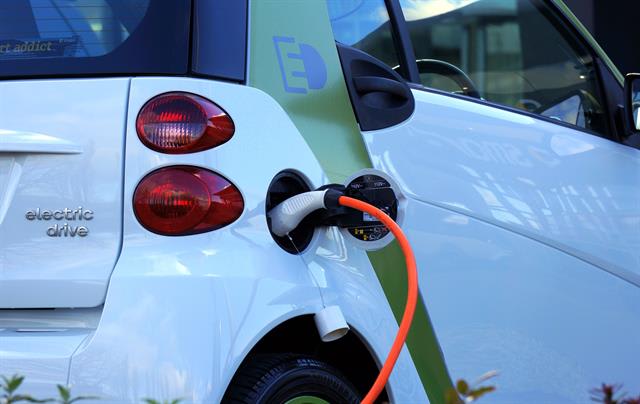
Photo via Pexels
The Mobile Source Air Pollution Reduction Review Committee (MSRC), which is comprised of representatives from eight California agencies, has launched a Local Government Partnership Program, which allows it to work directly with eligible cities and counties to jump-start clean vehicle, fuel, and transportation projects.
$21 million was approved for the new program, open to cities and counties within the California South Coast Air Quality Management District (SCAQMD), including parts of Los Angeles, Orange, Riverside, and San Bernardino counties.
The Local Government Partnership Program offers local agencies that participate in the Assembly Bill 2766 Motor Vehicle Subvention Fund Program a pro-rata share of the MSRC’s available funding, avoiding the need for a competitive grant proceeding or to award funding on a first-come, first-served basis. The new program emphasizes the need for an accelerated transition to zero and near-zero emission vehicles along with the necessary supporting infrastructure so federal air quality standards can be met in a timely manner.
The new funding will go toward the clean transportation projects needed to successfully implement SCAQMD's 2016 Air Quality Management Plan (AQMP), which provides the blueprint for how the region will achieve federal air quality standards. According to the plan, air pollutant emissions must be reduced an additional 75% in order to meet the 2023 federal ozone standard.
Under the program, eligible vehicle purchase and lease categories include: light-duty zero-emission vehicles, medium- and heavy-duty zero-emission vehicles, and near-zero emission heavy-duty alternative fuel vehicles and engine re-powers. Infrastructure projects include electric vehicle charging installation and alternative fuel station construction or expansion.
Jurisdictions with smaller populations also will be eligible to invest in these types of projects: traffic signal coordination and synchronization, bicycle active transportation programs, and first mile/last mile strategies.
Additionally, the MSRC’s Natural Gas Infrastructure Program has up to $4 million available for new and expanded refueling facilities that provide compressed natural gas, liquefied natural gas, or renewable biogas. Funding will be allocated on a first-come, first-served basis.
Applications are due June 29, 2018. The solicitations are available on the MSRC’s website at http://www.cleantransportationfunding.org/
More Green Fleet
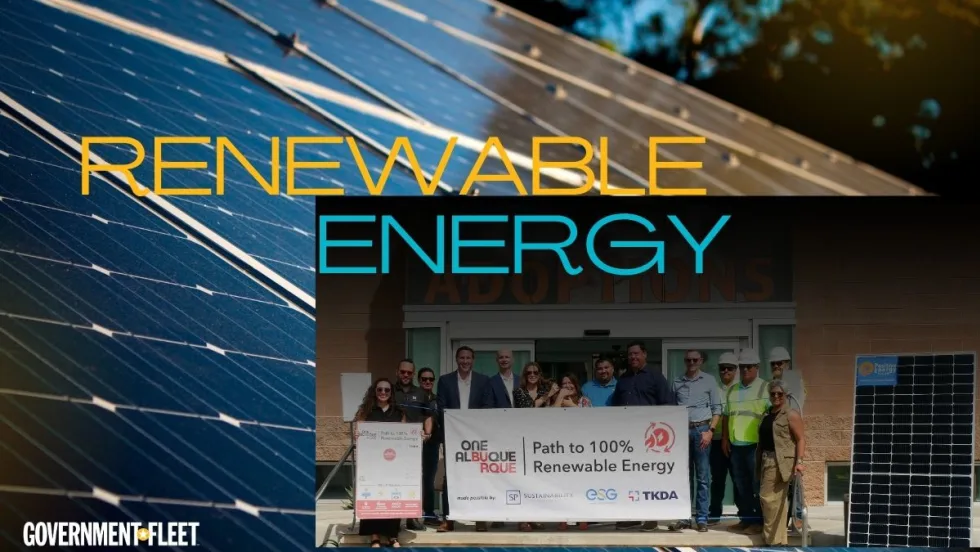
Sustainability Partners, Energy Systems Group Help Albuquerque Close the Gap on its 100% Renewable Energy Goal
The eight-site, 6 MW solar project has advanced the city toward 100% renewable energy for municipal operations.
Read More →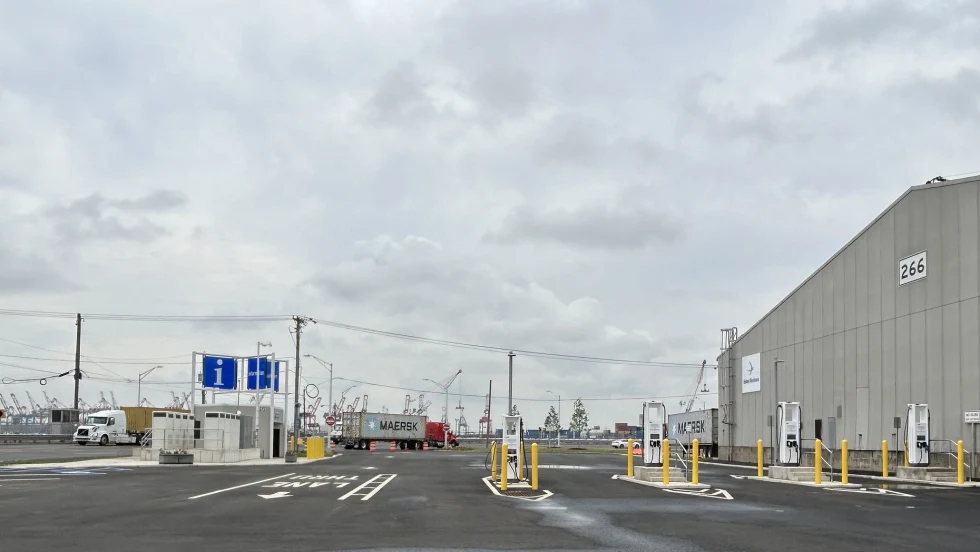
Port Authority and CALSTART Launch $45 Million Electric Truck and Charging Programs
The programs aim to boost sustainable operations across the East Coast's busiest seaport.
Read More →
Moving Government Fleets Beyond the Vehicle Purchase: EV as a Service
A discussion on how EVaaS is moving beyond pilot programs and what fleets should consider before beginning a larger deployment.
Read More →
Moving Government Fleets Beyond the Vehicle Purchase: EV as a Service
As fleets move beyond small EV pilots, Sustainability Partners CEO Adam Cain explains how EVaaS can address the infrastructure and long-term planning required for larger deployments.
Read More →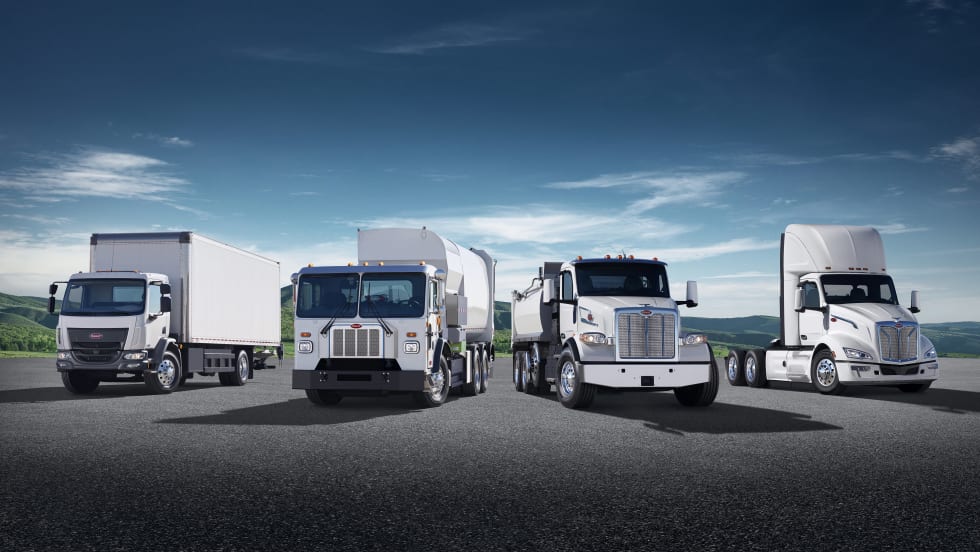
Peterbilt Expands Sourcewell Partnership with Electric Vehicle Lineup
The agreement aims to provide streamlined procurement of Peterbilt trucks for government, education, nonprofit and tribal organizations across the United States and Canada.
Read More →
EV Adoption & Charging Challenges
Where is your fleet in the journey of vehicle electrification? If you're still looking for answers to fleet electrification you've come to the right place.
Read More →
Hawaii Passes Clean Fuel Policy
Hawaii lawmakers passed clean fuel legislation that could support renewable natural gas production, biogas-powered transportation, and lower-carbon fueling options for public and commercial fleets.
Read More →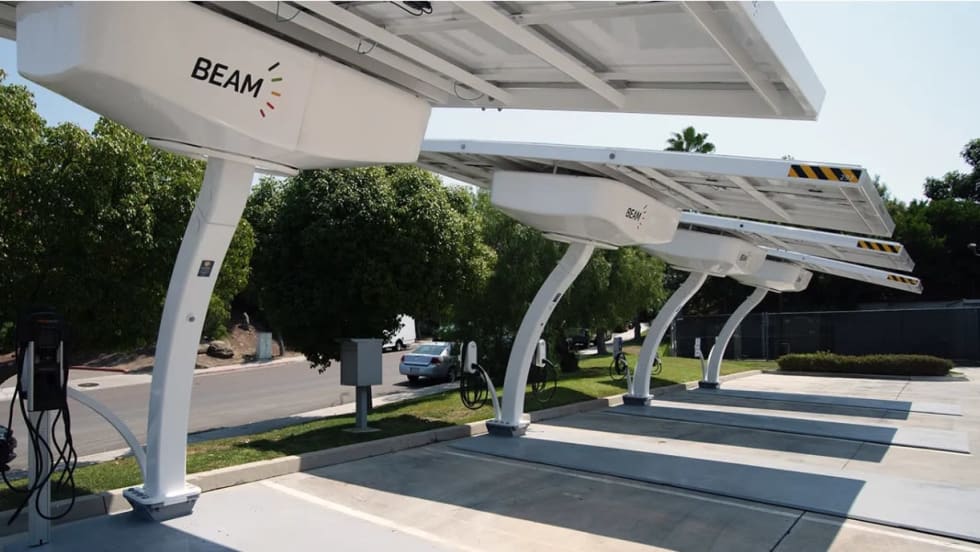
Stanislaus County Deploys Ten Beam Global EV ARC Systems to Support County Fleet Electrification
Stanislaus County deployed 10 off-grid solar-powered EV charging systems and a mobile charging trailer from Beam Global to support its electric fleet operations and emergency response flexibility.
Read More →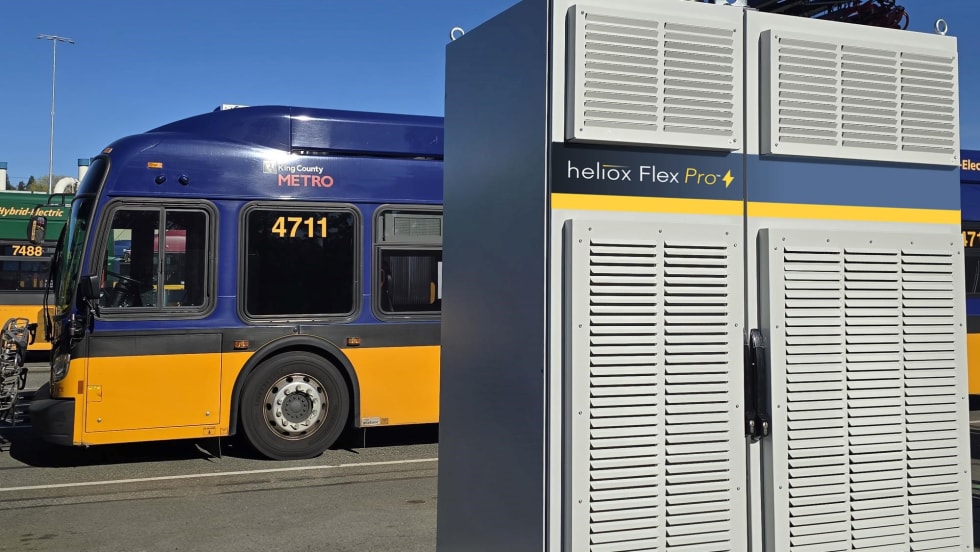
Heliox Pilots 480-kW Bus Charger with King County Metro
King County Metro is piloting Heliox’s new 480-kW Flex Pro charger to support expansion of its battery-electric bus fleet and depot charging infrastructure. The compact charging system supports pantograph and plug-in charging configurations for high-density transit operations.
Read More →