News
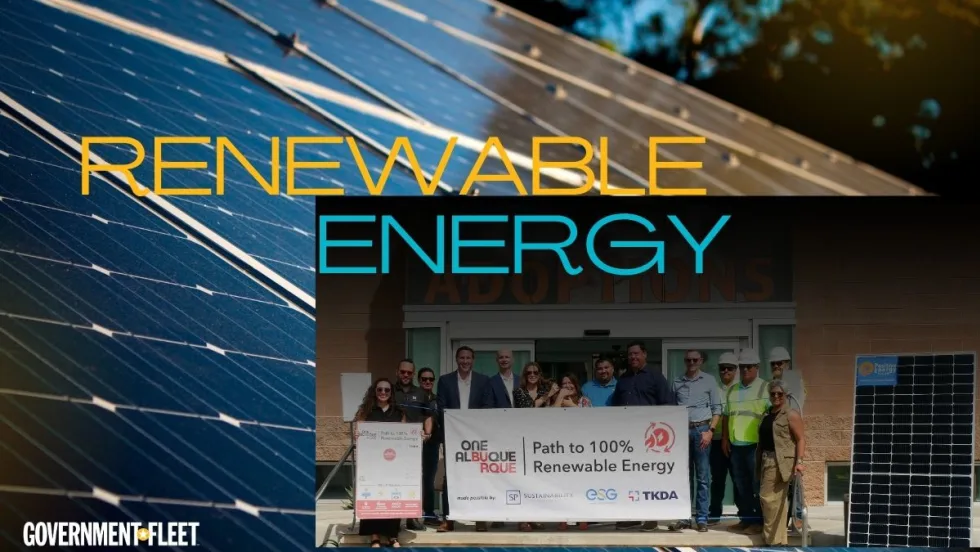
Sustainability Partners, Energy Systems Group Help Albuquerque Close the Gap on its 100% Renewable Energy Goal
The eight-site, 6 MW solar project has advanced the city toward 100% renewable energy for municipal operations.
Read More → MENU
MENU SEARCH
The eight-site, 6 MW solar project has advanced the city toward 100% renewable energy for municipal operations.
Read More →
The 60-month agreement offers a streamlined ordering process and reduced administrative burden for U.S. federal agencies transitioning to electric-powered transportation solutions.
Read More →
Government Fleet sits down with Lieutenant Mike McCarthy of the Michigan State Precision Driving Unit to talk about testing electric vehicles for police fleets.
Read More →
The law would ask the Department of General Services to consider a light-duty vehicle's lifetime costs, rather than its sticker price, before purchasing or leasing.
Read More →
The Fleet Electrification Knowledge Center is equipped with tools, research, and fleet electrification stories designed to help address key questions and challenges surrounding EV adoption and operations.
Read More →
The Military Vehicle Fleet Electrification Act would require at least 75% of all non-tactical vehicles, like cars, vans, and light-duty trucks, purchased or leased by DOD, or procured or leased by the General Services Agency, to be EVs or ZEVs, beginning October 1, 2022.
Read More →
Fuel prices are sky-high — that means fleet managers, now more than ever, need to ensure a secure and efficient fuel management program.
Read More →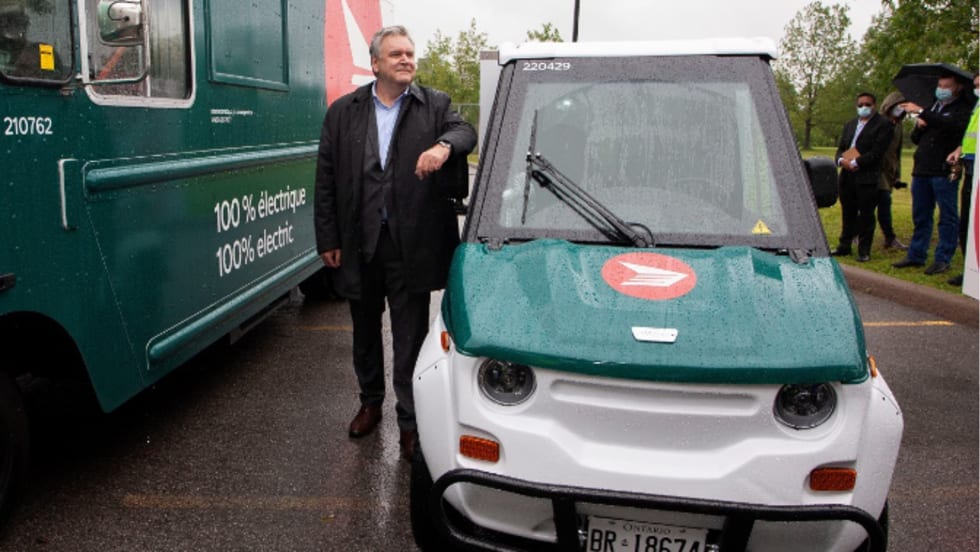
Investing $1 billion in a goal to reach net zero emissions by 2050, the Canadian postal service laid out plans for its fleet of 14,000 vehicles.
Read More →
As more government fleets transition to electric vehicles, learn from fleet managers who’ve been there.
Read More →
Expected changes to the USPS' delivery network will improve transportation efficiency and will lead to infrastructure capable of handling charging needs.
Read More →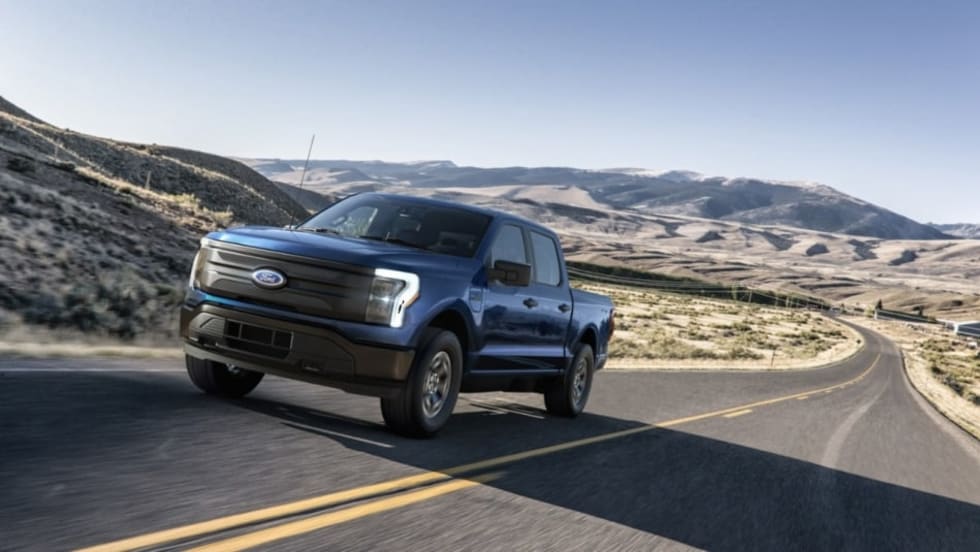
Alton Police Chief said this is the direction he wants the city to go, pointing to environmental impact and financial savings.
Read More →