


 MENU
MENU SEARCHMENUSEARCH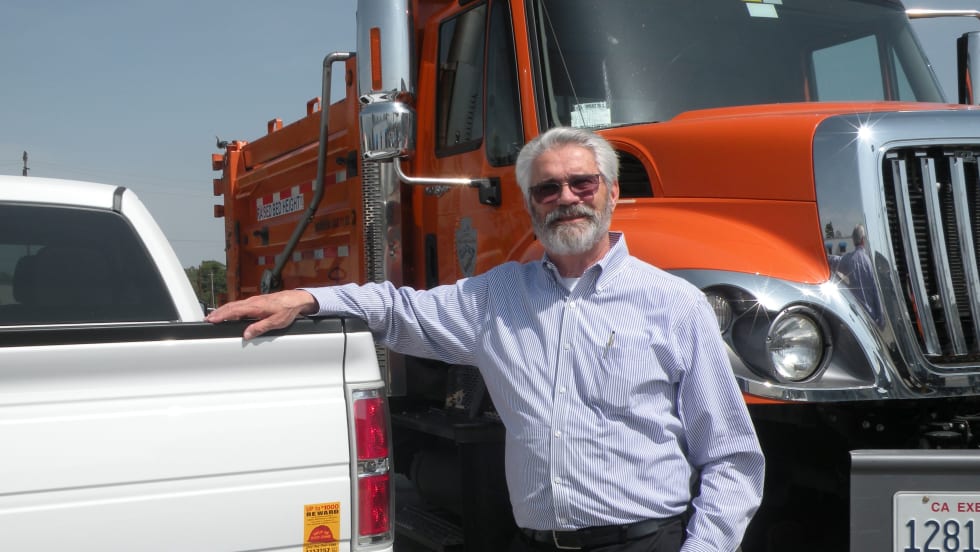
The Public Sector Fleet Manager of the Year Award recognizes accomplishments and efficient operations.
Read More →
Fuel contracts give fleets a guaranteed price over the duration of the contract. The result: easier budgeting, potential cost savings, reduced administrative time, and guaranteed supply. With careful consideration on the front end, fleets of all sizes can make fuel contracts work in their favor.
Read More →
Fleet veterans share funny stories, personal experiences, mistakes, advice, and what they wish they had known in their early fleet years.
Read More →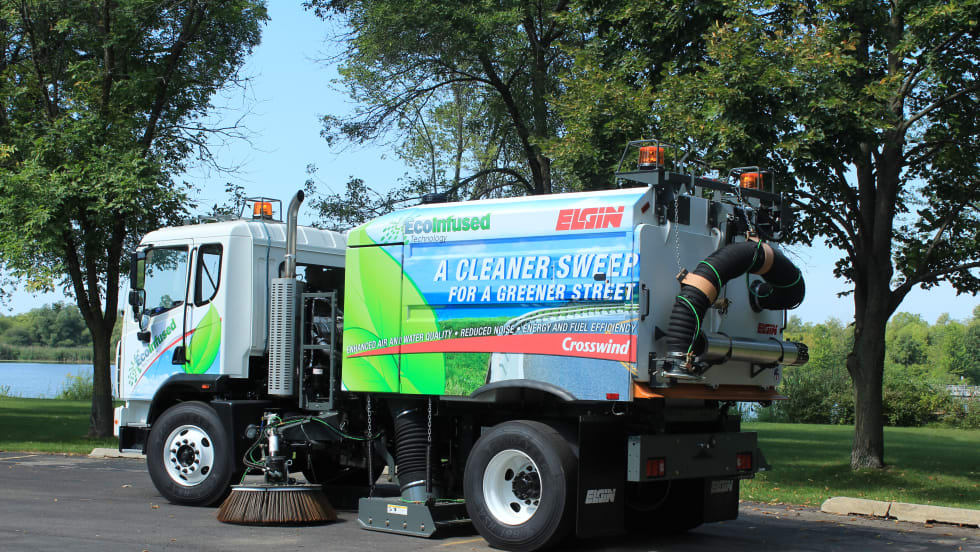
Street sweepers are evolving to meet user demand. From brooms to vacuums to air sweepers, fleet managers have more purchasing choices than ever before.
Read More →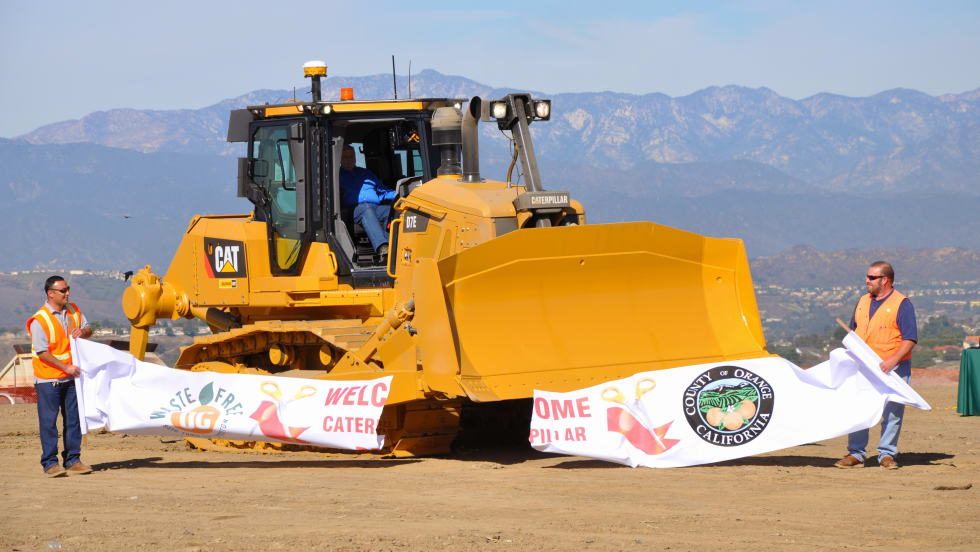
Off-road regulations can be difficult to navigate. Typically, compliance dates for federal standards vary by engine horsepower, but on the state level they can vary by fleet size, too.
Read More →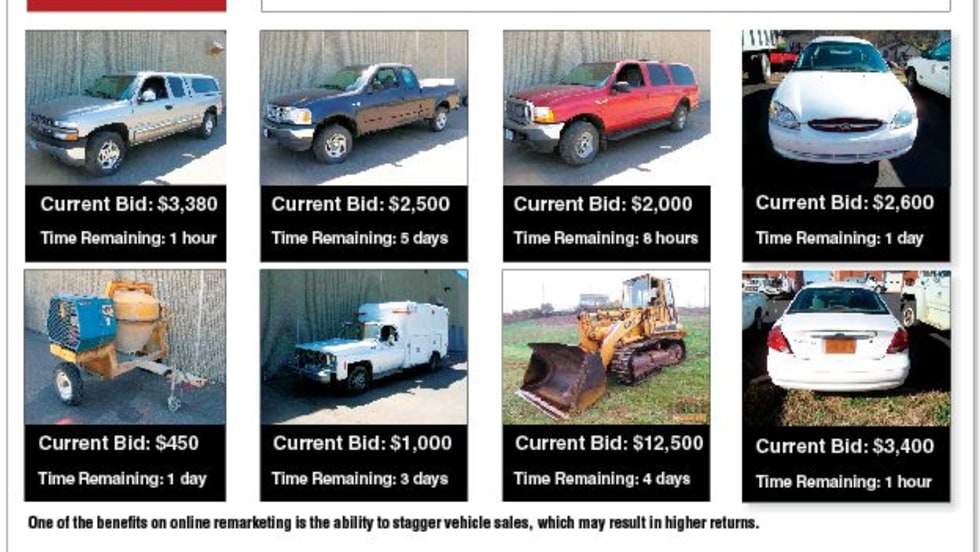
More and more fleets are trying out new ways to remarket vehicles, seeking to reduce staff time and increase returns. Find out their success stories and why they chose to make the switch.
Read More →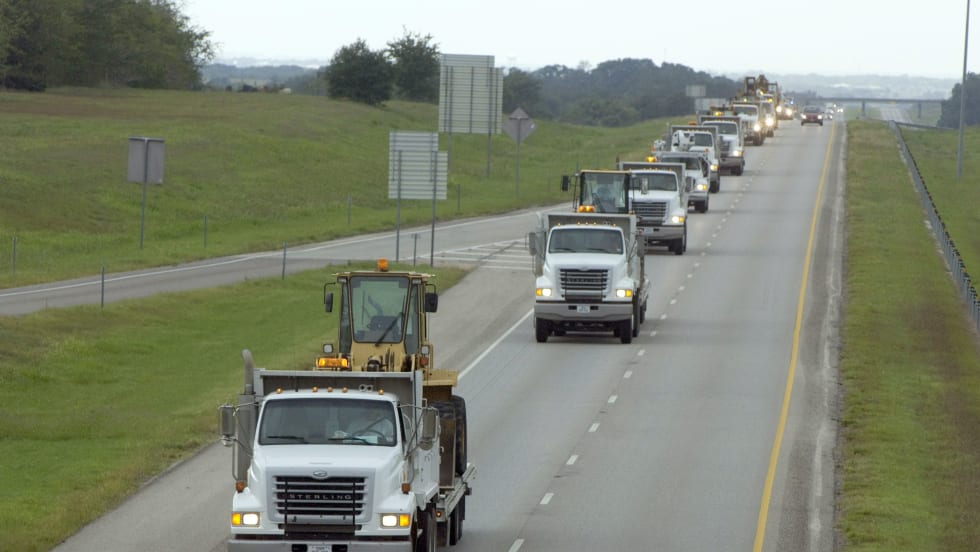
Fleets are conducting utilization studies to determine the right number of vehicles to use. To get buy-in from affected departments, they’re working to get employees and drivers to take ownership of the fleet reduction policy.
Read More →
The Fleet Federation, a group formed by New York City’s 10 departments with the largest fleets, banded together to implement shared services and other cost-savings measures under the direction of a new fleet chief.
Read More →
Utility vehicles fill a unique niche in a government's fleet — they can operate on rugged terrain, transport people while also performing work, and navigate tighter spaces than a traditional vehicle, whether inside a facility or out in the woods.
Read More →
Direct labor can be summed up as time on task, or any time spent doing a specific task or repair. The work order is open, and as soon as the technician clocks in to perform preventive maintenance, for example, that counts as direct labor. The issue of monitoring and managing indirect labor costs is important because time is so important to fleet management.
Read More →