


 MENU
MENU SEARCHMENUSEARCH
Fleet veteran John Scharffbillig, director of Fleet Services for the City of Minneapolis, discusses how the Fleet Services division brainstormed, wrote, edited, and is implementing the City's new green fleet policy.
Read More →
Public sector fleet manager creativity is one key to “getting the most bang for the buck” in a time of tightening purse strings and unpredictable fuel prices.
Read More →As public sector fleets face increasing scrutiny, fleet management must keep the public and officials informed, ensure competitive service costs, and maintain customer service levels while reducing costs.
Read More →
Fleet managers can use an annual fleet report to inform decision-makers who impact funding, user departments, and fleet employees about both fleet management accomplishments and challenges.
Read More →
Law enforcement vehicles come in all shapes in sizes. In addition to the traditional patrol vehicle or motorcycle, the following are other vehicles law enforcement officers use to keep the peace.
Read More →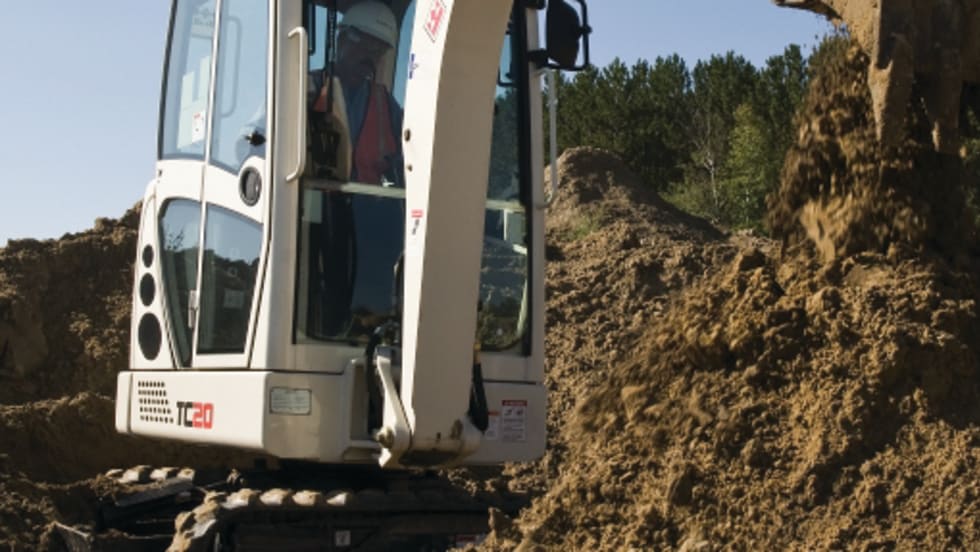
Whether renting or buying, fleets must ensure excavator specs meet the needs of the application. Fleet managers and equipment manufacturers weigh in on factors to consider.
Read More →
Strong leadership and understanding, combined with a little creativity, can help keep productivity and employee morale high when resources are low.
Read More →
The cities of Chicago, Dallas, and Huntsville, Ala., fleet departments discuss how they prepared for and handled with this season’s snowstorms.
Read More →
Fuel is the No. 1 fleet operating expense. Polk County, Fla., achieved favorable results by addressing one of the main, yet overlooked sources of rising fuel consumption — the driver.
Read More →
To properly maintain and manage a public sector fleet operation, determining the necessary ratio of technicians to vehicles is key to keeping vehicles on the road and operations running smoothly.
Read More →