


 MENU
MENU SEARCHMENUSEARCH
Bob Stanton, previously of Polk County, Fla., started his new position at Hillsborough County, Fla., on May 16, replacing Sharon Subadan, now deputy county administrator.
Read More →
When planning a fleet facility, consider site location, prepare it for new or future technologies, and review commonly overlooked issues.
Read More →
The 2011 award, sponsored by ARI and Fleet Counselor Services, recognizes the best in public sector fleet management and will be presented at the Government Fleet Expo & Conference in San Diego.
Read More →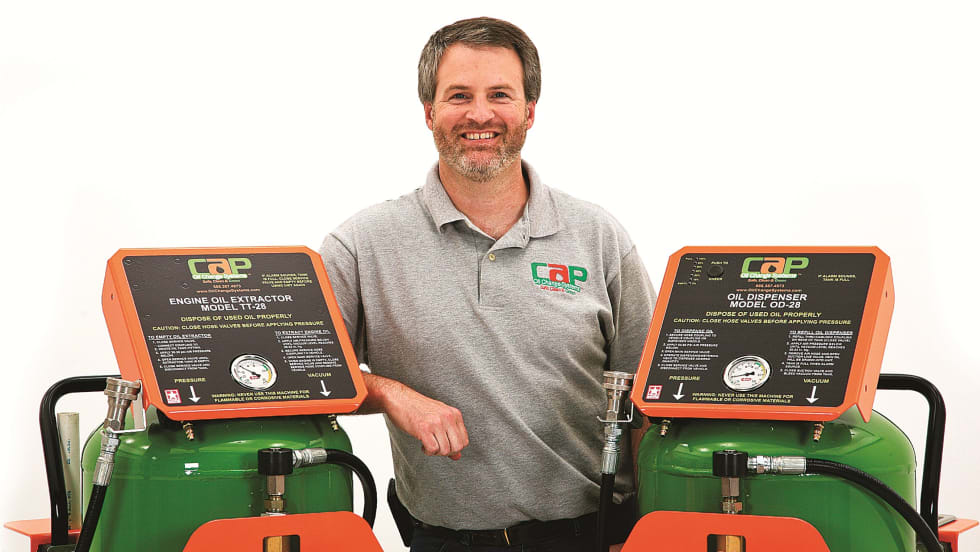
Conducting periodic oil analysis, using re-refined or recycled oil, and revisiting oil filter usage will lessen an operation’s impact on the environment, extend maintenance cycles, and reduce reliance on foreign oil.
Read More →
Educational presentations, brainstorming sessions, and networking events provide fleet managers the opportunity to learn from industry professionals ways to improve fleet efficiency.
Read More →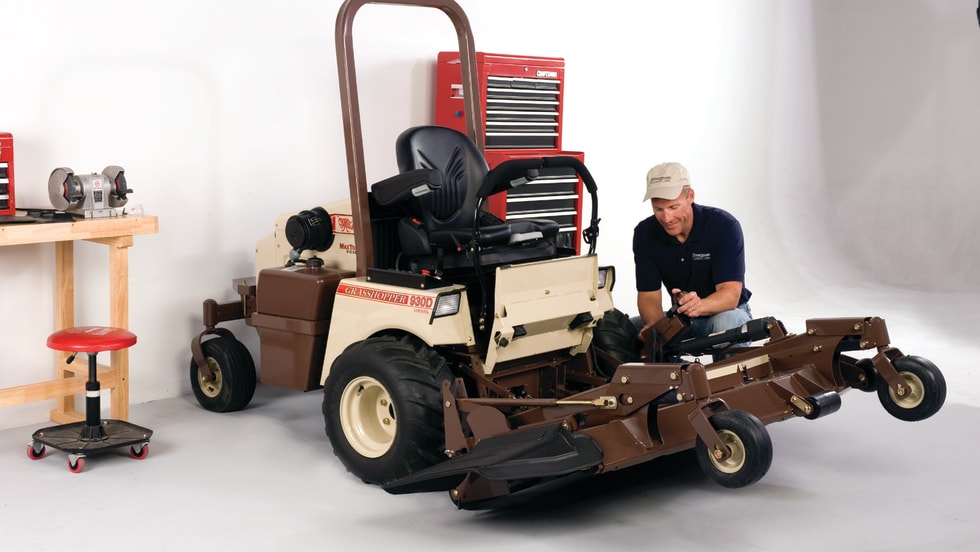
Manufacturers recommend maintenance schedules and key maintenance procedures for the pieces they sell to government fleets. Some also offer software programs or online support to help monitor usage, track costs, and budget for replacement.
Read More →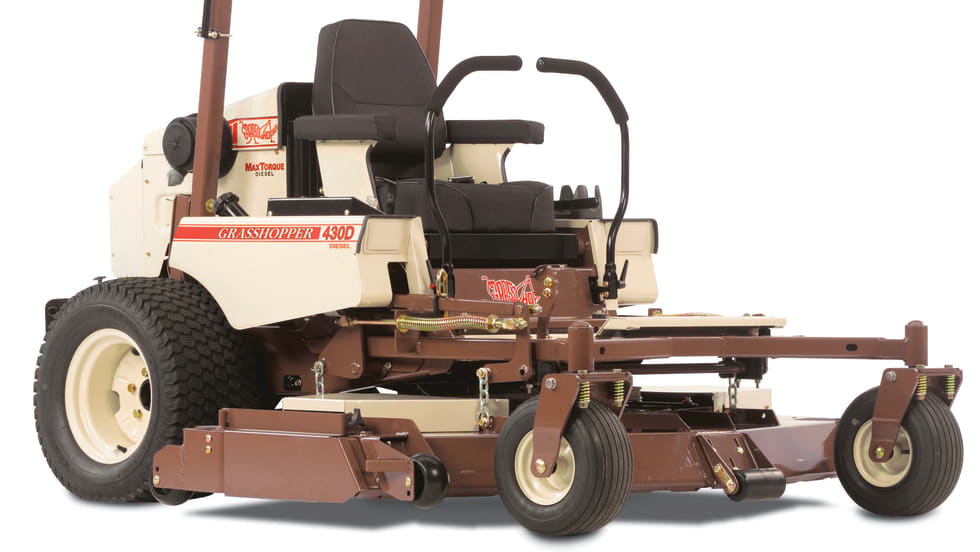
View four grounds maintenance equipment models from The Grasshopper Co., John Deere, and Kubota.
Read More →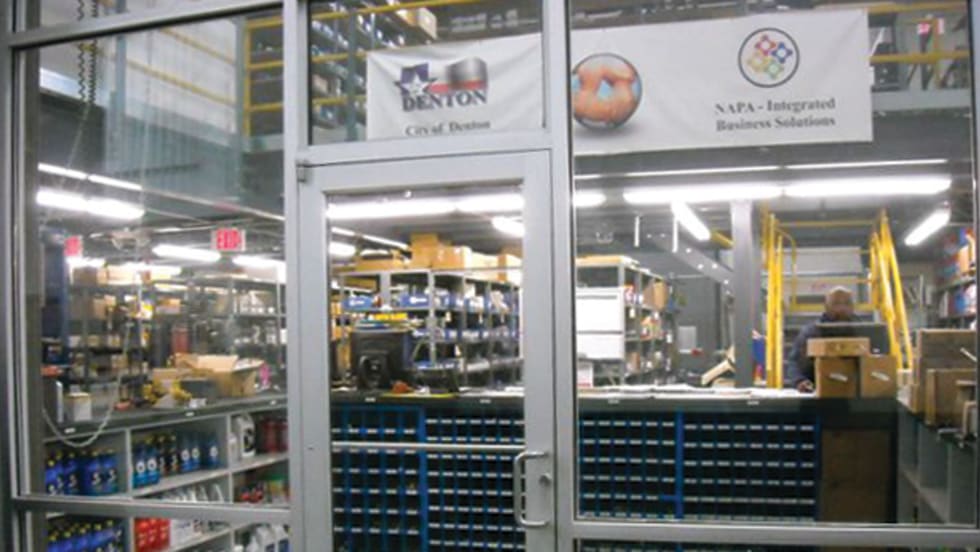
A fleet’s parts inventory is critical to keeping its maintenance and repair process moving forward — and keeping units on the road. Several critical elements to consider are discussed from both the in-house and outsourced perspectives.
Read More →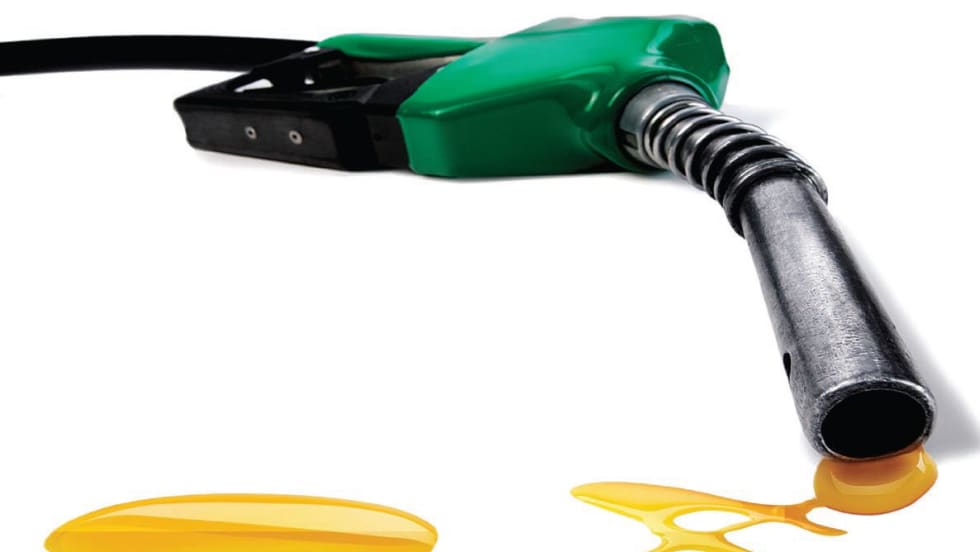
Fuel strategies used by private sector fleets may prove useful for public sector fleets as well.
Read More →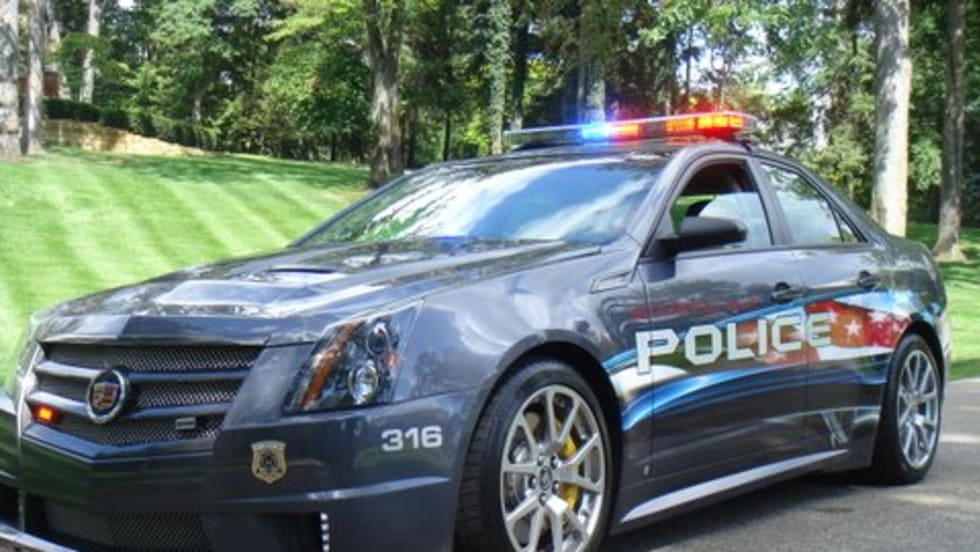
Crown Victorias and Dodge Chargers and may be among the most typical makes and models of police cars used in the United States today. Some departments have a handful of “sportier” cars, many of which are used in special ways.
Read More →