




UC Davis Reduces the No. 1 Injury to Fleet Technicians
To counter the high frequency of technician workers’ comp claims and sick-leave time due to back injuries while on the job, University of California, Davis, Fleet Services, implemented an optional incentive-based exercise and stretching program.
The dilemma for Barbara Greene, fleet manager, University of California, Davis, was that her technicians were excessively absent from work because of the high frequency of back injuries while on the job.
Greene’s fleet department had already won three Larry Goill Awards for innovation presented by the National Association of Fleet Administrators (NAFA). The country’s first “green” university and the third ASE Blue-Seal-certified university, UC Davis was named one of the 10 best fleets in America under Greene’s management after her 31 years with the university.
Employing a Voluntary Fitness Program for Technicians
The No. 1 injury to technicians is back injuries. A technician’s back muscles are more vulnerable because of the heavy lifting, bending, and stooping necessary for the job.
Before opting for a voluntary employee fitness program, UC Davis, Fleet Services, experienced a 64-percent sick-leave usage rate - too high for management to keep work flowing in the shop. A study by the Journal of Occupational and Environmental Medicine showed that regular participation in an employee fitness program reduced the sick-day frequencies.
“I have noticed an increase in morale, energy, strength, and productivity,” said Mitch Roath, a day shift technician.
The university’s human resources department was interested in reducing workers’ comp incidents in an aging workforce. This program helped provide techs extra flexibility and endurance necessary to thrive in the industry. In addition, it raised awareness of overall health related to diet and exercise.
“My body feels better on a regular basis. I notice how stiff I get when I don’t stretch. After a weekend of not stretching, we can feel the difference,” said Jay Chase, an evening shift technician.
UC Davis’ fleet fitness program instituted stretching and weight-training using certified weight machines. The university purchased used weight equipment for less than $4,000 and provided an onsite personal trainer.
The voluntary program consists of stretching and weight lifting three days per week and “walking and talking” two days a week.
“We are in many different positions working on large vehicles. Working in the pit really affects our lower back and neck. We work on these areas in our stretching,” said Dale Hendricks, a heavy-duty technician. “The other day I was lying across the engine compartment on a large truck and I could feel it in my lower back and knees. I remembered the time when I didn’t do the weights and stretching and remembered how I felt afterwards. I paid for it for a week or two,” he said.
Using Incentives as a Motivational Tool
To promote the program, “fleet bucks” were given to participants, who earned additional fleet bucks by not using sick leave during a calendar month. A maximum of three fleet bucks per week could be earned for participating in the exercise program. A fleet buck monitor was present during activities and verified staff members were present at the event and performed the exercise.
Fleet bucks can be redeemed for items such as clothing. Residual program benefits include the ability to measure what needs to be improved using an incentive to motivate employee performance and providing recognition for work well done.
“The bottom line is these people know we care about their welfare. How we treat our people is also how we achieve high degrees of innovation, efficiency, effectiveness, and quality of service in our balanced business lives,” said Greene.
More Operations

How Government Fleets Are Turning Connected Vehicle Data Into Practical Decisions
Public sector fleets are using connected technology to improve visibility, but the bigger challenge is building the processes to act on the information it provides.
Read More →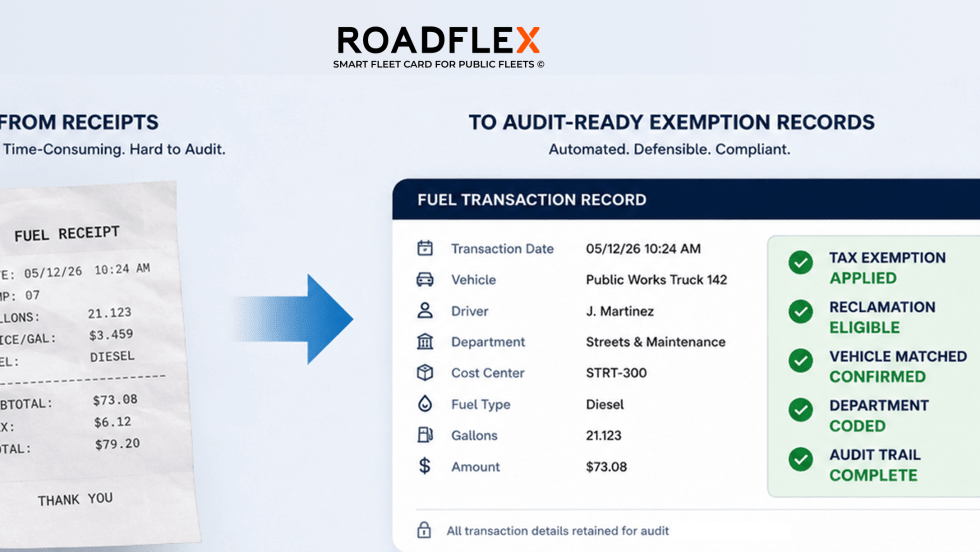
RoadFlex Brings Fuel Tax Compliance and Audit-Ready Reporting to Government, Public Works Fleets
New capabilities aim to help public-sector and public works fleets streamline fuel tax exemptions, reclamation, reconciliation, and audit-ready reporting.
Read More →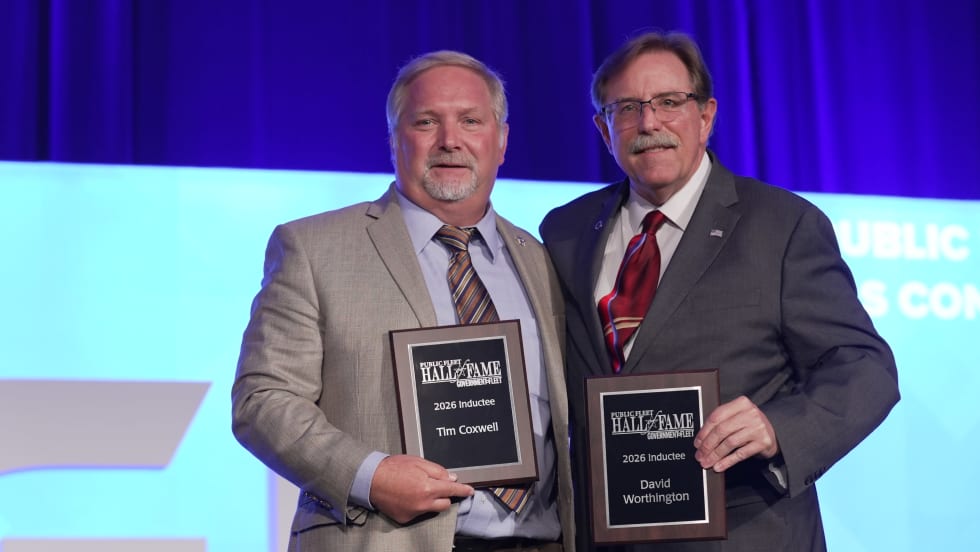
2026 Public Fleet Hall of Fame Inductees Honored
This year's class includes leaders whose work has helped shape the public fleet industry.
Read More →
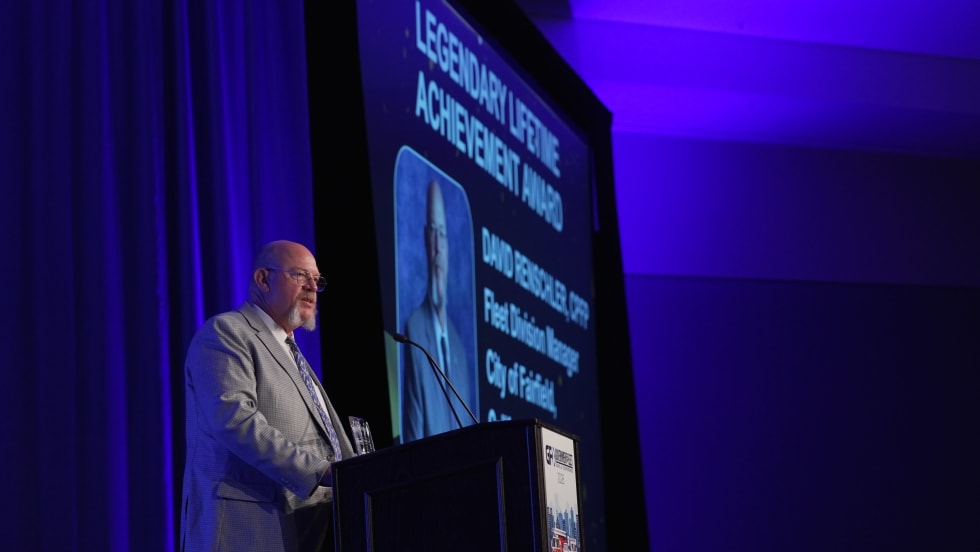
David Renschler Receives 2026 Legendary Lifetime Achievement Award
Andy Campbell of Sourcewell, which partnered with Government Fleet in presenting the award, recognized Renschler.
Read More →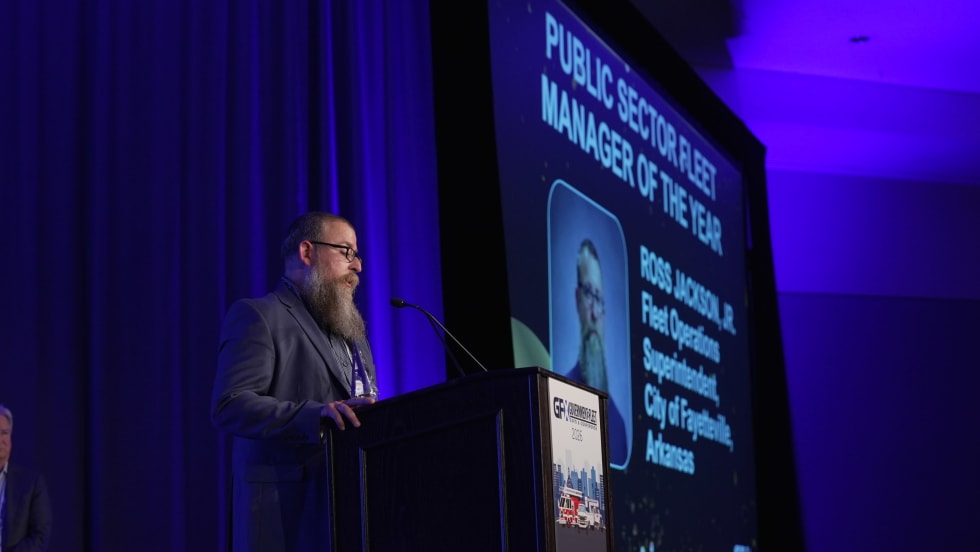
Ross Jackson Jr. Named 2026 Public Sector Fleet Manager of the Year
His leadership, innovation, and commitment to excellence earned him one of the industry's top honors.
Read More →
Public Fleet Professionals Set to Converge as GFX Gets Underway
Known as the largest gathering of public fleet professionals in the nation, GFX will feature in-depth training sessions, emerging fleet technologies, and access to leading suppliers and service providers.
Read More →
The Technician Pipeline: Finding, Keeping, and Promoting Techs Within the Operation
A look at where to find good talent, what fleets are doing to incentivize those techs to stay within the fleet, and what promotion looks like for a technician within the public sector.
Read More →
5 Public Fleet Stories Worth Revisiting Before GFX | The May Dispatch
Public fleet leaders are being asked to prepare for more, communicate better, and make decisions that hold up under pressure.
Read More →
Drive More Profit with Greater Fleet Uptime
Fleet downtime costs money. JASPER helps keep vehicles on the road with quality remanufactured components, fast nationwide delivery, and reliable solutions that boost uptime and profitability.
Read More →
Are You Tracking Your Fleet's True Total Cost of Ownership?
Bobit Business Media surveyed 190 fleet professionals and found that while most fleets are tracking costs, fragmented systems and data gaps are keeping true TCO visibility out of reach. With rising pressure to control spend in an increasingly volatile environment, the gap between what fleets think they know and what the data actually shows is wider than you might expect. See how your peers are managing costs today and where the industry still has room to improve.
Read More →