




State of Utah Vehicle Utilization Study Optimizes Fleet
Through its vehicle utilization study, the State of Utah was able to reduce fleet size by 46 vehicles and save on depreciation, maintenance, and repair costs.
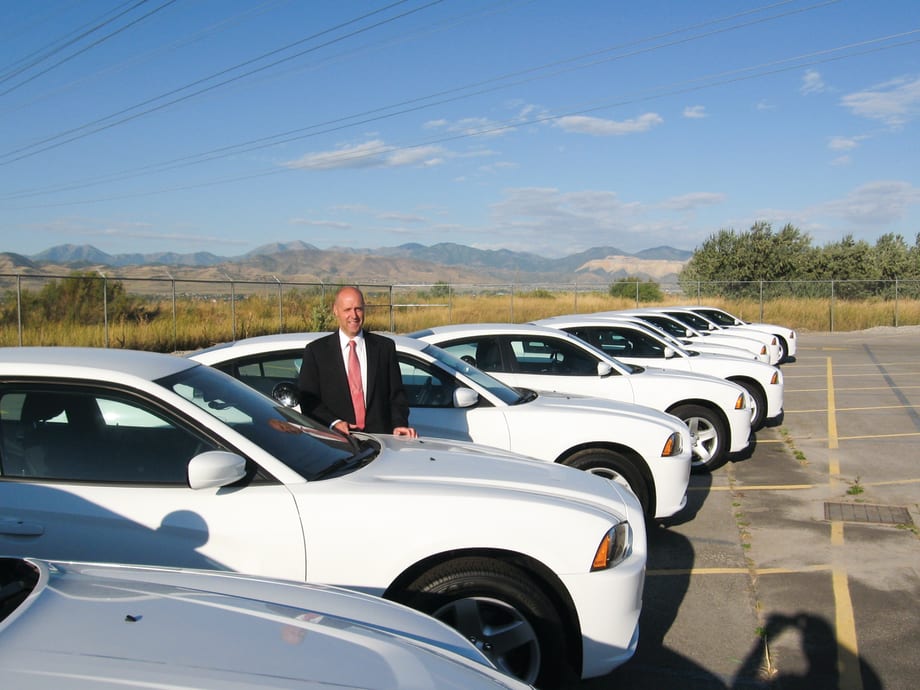
The State of Utah's fleet is comprised of 63 agency fleets operating nearly 7,300 vehicles. A vehicle utilization study sought to classify and reduce the number of underutilized vehicles.
The State of Utah's fleet is comprised of 63 agency fleets operating nearly 7,300 vehicles. A vehicle utilization study sought to classify and reduce the number of underutilized vehicles.
The State of Utah Division of Fleet Operations (DFO) is a centralized fleet leasing and management organization serving State agencies and higher education. In 2009, DFO began tracking vehicle utilization as a means to reduce costs and optimize agency fleets. The resulting program has aided in the reduction of 46 fleet vehicles and an overall savings to the State in the areas of depreciation, maintenance and repair costs, insurance premiums, and other costs associated with owning vehicles.
Identify the Problem
The State of Utah's fleet is diverse, comprised of 63 agency fleets operating nearly 7,300 vehicles. Analysis of vehicle utilization revealed that more than 20 percent of these vehicles averaged less than 300 miles per month. While vehicle mileage is a key cost factor for a fleet, numerous other costs are associated with owning vehicles that do not require miles to be traveled. Licensing, insurance, depreciation, and maintenance and repair are a few of these ownership costs that continue to build even when a vehicle is not utilized. DFO set forth to develop a program designed to maximize vehicle utilization and thus reduce overall fleet ownership costs.
Analyze Utilization Classification
DFO staff conducted a study to determine why so many vehicles were underutilized. Prior to this study, any vehicle that averaged less than 625 miles per month was classified as "Low Use." The statistical analysis of these vehicles revealed a need for a more customized classification system. Not all "Low Use" vehicles are underutilized.
Fleet staff spent the next many months working closely with State agencies and institutions of higher education to develop a classification system that would accurately identify the underutilized vehicles. Once vehicle classifications were created, the work began to assign a classification to each of the state's 7,300 vehicles. The detailed vehicle classifications allowed for a more directed analysis of usage data and with this information, minimum usage for each classification was determined.
Another key factor in this utilization program is the location of vehicles. When multiple underutilized vehicles reside at the same agency location, agency fleet managers can quickly identify vehicles not meeting the minimum standard in that particular use category. This analysis indicated that agencies could pool multiple underutilized vehicles, or increase utilization of existing vehicles to aid the location in removing these candidate vehicles, thus becoming more efficient.
Implement the Findings
With data analysis in hand, DFO staff, along with Division Director Sam Lee and State Fleet Manager Scott Bingham, began to meet with each State agency and institution of higher education. These meetings created an opportunity for the DFO team to share the findings with agency directors and to show how vehicle consolidation or retirement could result in substantial savings to the agency budget. The report provided by DFO included a list of underutilized vehicles, the justification given for the low use, and recommendations for fleet reduction.
Reap the Results
Over the past year, this vehicle utilization model has resulted in an overall State fleet reduction of 46 vehicles, which has led to more efficient State agencies and institutions of higher education, according to Bingham.
"DFO considers these meetings [with agencies] a great success for a more efficient state fleet," Bingham said. The data collected through this program provides a valuable tool for DFO to continue to provide the highest quality fleet management services to its customers at a low cost.
Moving forward, DFO will continue to work with its customers to further clarify classifications and minimum usage information. With increased clarification, gaining a better understanding of vehicle needs within agency missions, DFO will continue annual meetings to assess vehicle needs and make suggestions to further improve the efficiencies of the State fleet.
About the Author
Brian Fay is a research consultant for the State of Utah.
More Maintenance

Freeing Technicians for Higher-Priority Repairs
Could paid interns help public fleets free up experienced technicians for more complex repairs?
Read More →
Stay ready, set and safer with verified fleet inspections
When fleet inspections aren’t verifiable, missed defects can quickly become downtime, safety risks, and service delays. This white paper shows government and municipal fleet leaders how digital inspections can improve accountability, catch issues earlier, and keep vehicles ready when they’re needed most.
Read More →
Using Oil Analysis to Help with Engine Losses
How a Texas city changed its lubrication practices and began tailoring preventive maintenance intervals after test results showed oil degradation and fuel dilution.
Read More →
Hidden in Plain Sight: Fleet Compliance Risks
Fleet compliance isn't just about having policies — it's about consistently enforcing them. This practical guide reveals six hidden compliance risks common in public sector and shared fleet operations and outlines proven strategies to improve visibility, accountability, and audit readiness.
Read More →
Is Your Fleet Garage Holding Back Your Operation? | The Fleet Breakroom
Norman Barrientos of Barrientos Design & Consulting explains how agencies can use operational data to show decision-makers why a replacement or major renovation is needed.
Read More →
Reducing Long-Term Maintenance Costs and Downtime
Downtime is rarely caused by a single surprise failure but rather by an issue that builds over time through setbacks ranging from deferred maintenance to poor replacement planning. So what's the fix?
Read More →
The Future of Government Fleet Technicians with Mike Cleary
Insight on preparing for hybrid and electric vehicle service, what fleets need to know about recruiting technicians in a competitive market, and how to make the most of limited training budgets.
Read More →
Work Orders Are More Than Records. They're a Roadmap to Fleet Availability
What if your work orders could predict failures, uncover hidden costs, and boost fleet availability? Here's how leading fleets are using the data.
Read More →
Drive More Profit with Greater Fleet Uptime
Fleet downtime costs money. JASPER helps keep vehicles on the road with quality remanufactured components, fast nationwide delivery, and reliable solutions that boost uptime and profitability.
Read More →
Smart Seasonal Maintenance Tips for Government Fleets
Government fleets carry extra weight, and routes, schedules, and public trust depend on reliability. A systematic spring checklist keeps vehicles in service when agencies need them most.
Read More →