




Principles and Practices for Using Airport Ground Equipment
The key to operating an efficient airport fleet is making sure everything is in place, including ground emergency equipment and services and proper maintenance and technical support.
Just like vehicles, aircraft at our nation’s airports must be serviced. Many different types of ground equipment are necessary to transport both people and planes. Tugs move aircraft and baggage carts. Buses shuttle between short- and long-term parking lots and terminals. Electric carts shuttle from gate to gate; shuttles move people to planes parked on the tarmacs. Fire and police vehicles and emergency equipment are ready to go when called upon. EMTs operating emergency vehicles treat passengers onsite until they can be transported to medical facilities for comprehensive treatment.
A fleet organization must be responsible for budgeting, purchasing, maintaining, operating, and disposing of the varied classes of equipment usually owned and operated by each of the major airlines and contracted to the smaller airlines that occupy space at the terminal.
In small rural and suburban airports, a fleet service organization is available to provide fleets with safe, economical, and reliable support service.
Perform a System Check
Vehicles require reliable maintenance, and manufacturers recommend frequent and sequenced inspections. The responsible fleet manager puts together a prioritized list for technicians, mechanics, and laborers to follow. Inspection timing is based on usage, measured in time, miles, kilometers, fuel use, and repetitions.
To save fuel, vehicles that do not require the engine to power mounted equipment must shut down.
Because fleet managers frequently start and stop the engines, a system component check must be performed every quarter or every 500 gallons of fuel used. Check battery capacity, voltage drop, starter draw, and alternator charging systems to prevent start failures between preventive maintenance inspections. The starters pull 300 amps so if it’s below 250 amps or even 350 amps, change the starter. For 130-amp alternators, demand output below 90 amps loaded should be changed.
Providing Support
In the aviation industry, ground fleet facility support vehicles such as sweepers, service vans, plows, snow melters, runway maintenance equipment, surface maintenance equipment for asphalt, pneumatic hammers, drills, spot pavings, and cleaning equipment can be contracted.
However, unless the contractor can do it better for less, don’t contract core work if you have the staff. Be careful of partnering core business and sole sourcing. It’s much better to stimulate competition to control pricing and efficiencies.
Computer support allows fleet managers to establish thresholds for component evaluation based on targeted time, miles, kilometers, fuel, and repetitions.
Practice Preventive Maintenance
Always practice preventive maintenance on vocational vehicles and equipment to achieve maximum use. Maintenance programs vary depending on type of equipment.
Mounted equipment has separate preventive maintenance programs. Organize inspections for chassis, mounted equipment, tools and equipment backhoes, trenchers, and yellow iron.
Airport ground equipment service and maintenance is a complex technical environment. It demands experienced people who can prioritize adjustments due to density, size, fluctuating needs, technology availability, aircraft maintenance changes, passenger volume, and change of vendors. Focus on the process. The fleet people create the process because they fund it and adjust the budget to fit the process and meet customer demands.
More Operations

How Government Fleets Are Turning Connected Vehicle Data Into Practical Decisions
Public sector fleets are using connected technology to improve visibility, but the bigger challenge is building the processes to act on the information it provides.
Read More →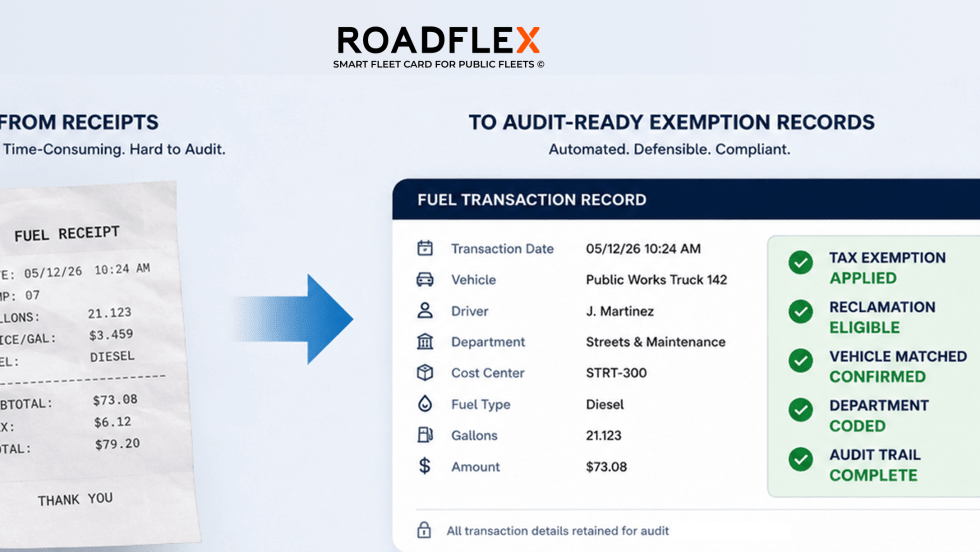
RoadFlex Brings Fuel Tax Compliance and Audit-Ready Reporting to Government, Public Works Fleets
New capabilities aim to help public-sector and public works fleets streamline fuel tax exemptions, reclamation, reconciliation, and audit-ready reporting.
Read More →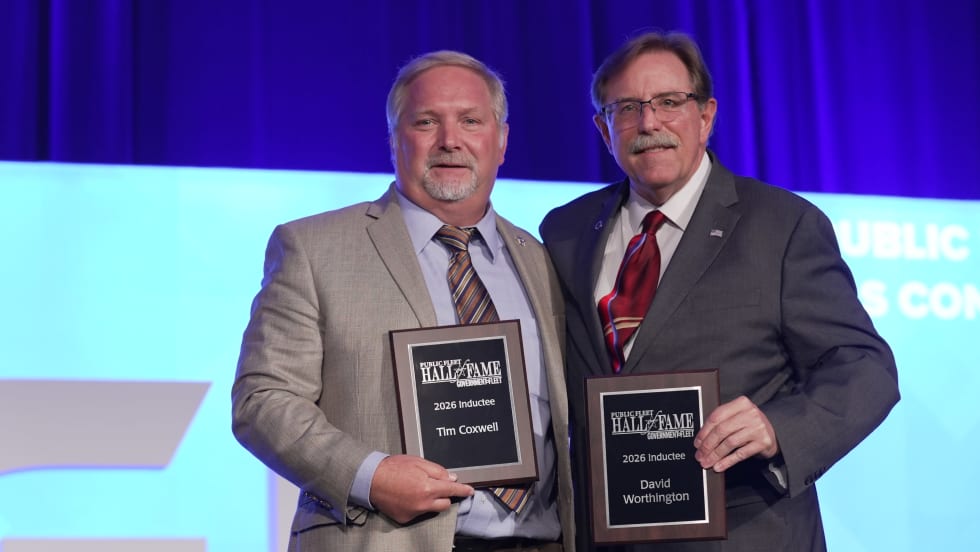
2026 Public Fleet Hall of Fame Inductees Honored
This year's class includes leaders whose work has helped shape the public fleet industry.
Read More →

David Renschler Receives 2026 Legendary Lifetime Achievement Award
Andy Campbell of Sourcewell, which partnered with Government Fleet in presenting the award, recognized Renschler.
Read More →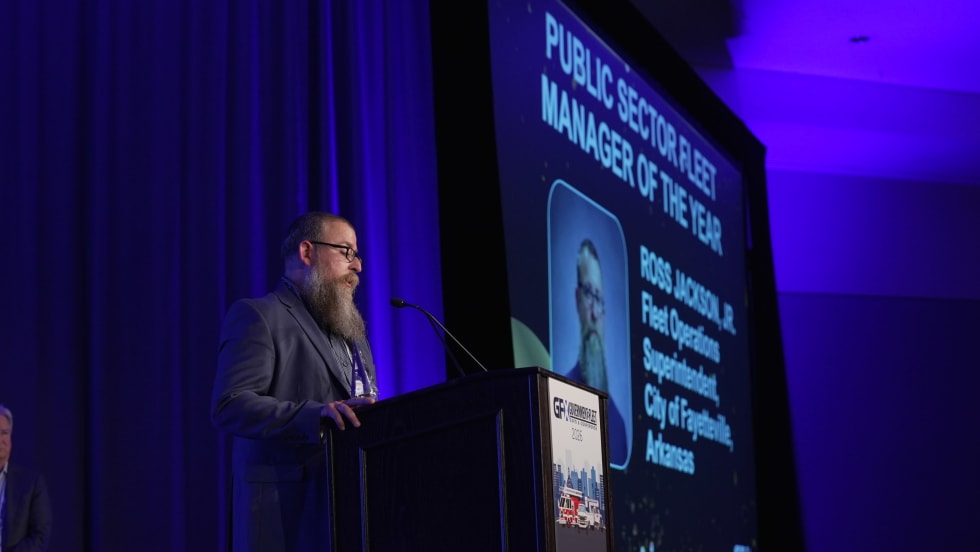
Ross Jackson Jr. Named 2026 Public Sector Fleet Manager of the Year
His leadership, innovation, and commitment to excellence earned him one of the industry's top honors.
Read More →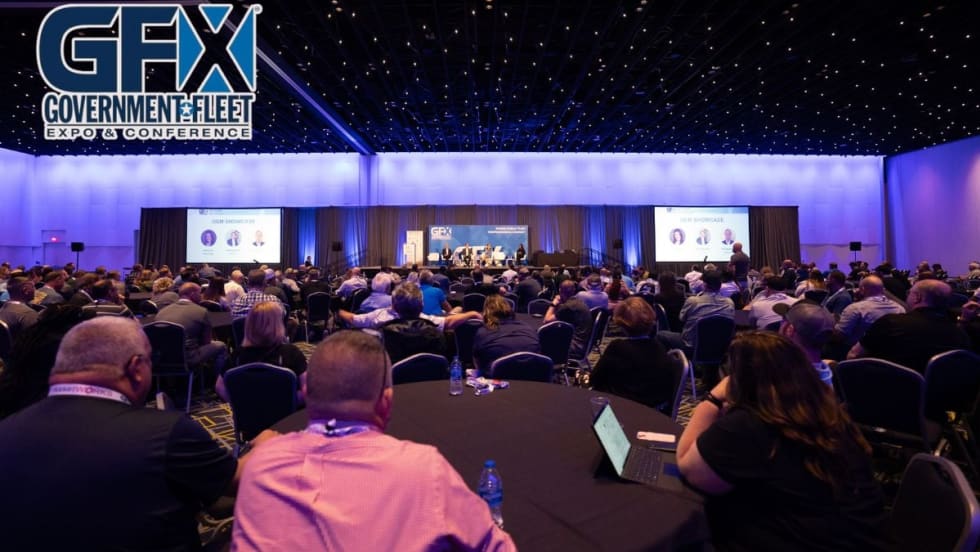
Public Fleet Professionals Set to Converge as GFX Gets Underway
Known as the largest gathering of public fleet professionals in the nation, GFX will feature in-depth training sessions, emerging fleet technologies, and access to leading suppliers and service providers.
Read More →
The Technician Pipeline: Finding, Keeping, and Promoting Techs Within the Operation
A look at where to find good talent, what fleets are doing to incentivize those techs to stay within the fleet, and what promotion looks like for a technician within the public sector.
Read More →
5 Public Fleet Stories Worth Revisiting Before GFX | The May Dispatch
Public fleet leaders are being asked to prepare for more, communicate better, and make decisions that hold up under pressure.
Read More →
Drive More Profit with Greater Fleet Uptime
Fleet downtime costs money. JASPER helps keep vehicles on the road with quality remanufactured components, fast nationwide delivery, and reliable solutions that boost uptime and profitability.
Read More →
Are You Tracking Your Fleet's True Total Cost of Ownership?
Bobit Business Media surveyed 190 fleet professionals and found that while most fleets are tracking costs, fragmented systems and data gaps are keeping true TCO visibility out of reach. With rising pressure to control spend in an increasingly volatile environment, the gap between what fleets think they know and what the data actually shows is wider than you might expect. See how your peers are managing costs today and where the industry still has room to improve.
Read More →