





Want more? Read Navigating the Challenges of Fleet Management: Insights from Industry Leaders
10 Benefits of Using GPS Equipment Tracking for Fleets
Far surpassing its basic navigational utility, GPS tracking has evolved into a vital tool for modern fleet management. This fleet telematics technology offers comprehensive solutions that extend well beyond the conventional scope.
December 7, 2023
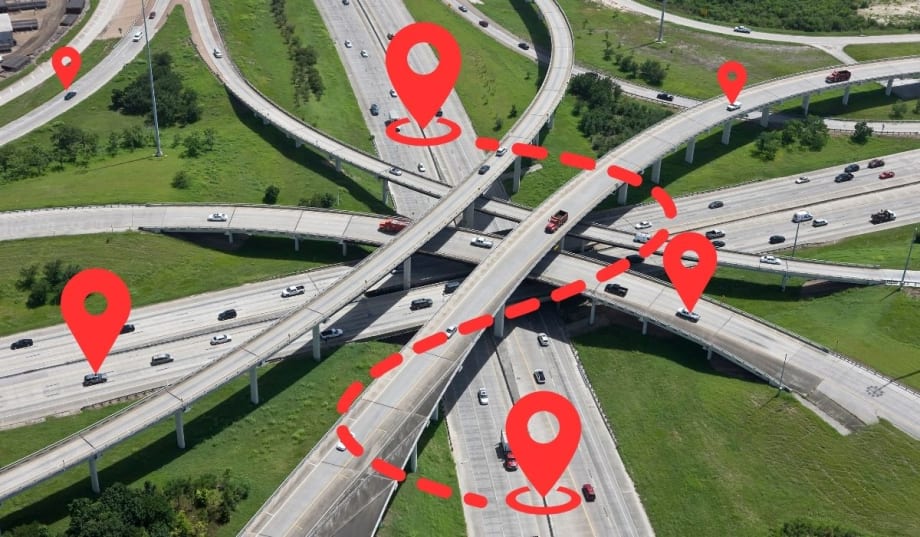
GPS tracking can monitor driving behaviors, helping to identify and correct fuel-inefficient practices like harsh acceleration or unnecessary idling.
Photo: Government Fleet via Canva.com
7 min to read
Far surpassing its basic navigational utility, GPS tracking has evolved into a vital tool for modern fleet management. This fleet telematics technology offers comprehensive solutions that extend well beyond the conventional scope.
From enhancing operational efficiency to fostering community trust, the benefits of using GPS equipment tracking in public sector fleets are not only revolutionizing fleet operations but also positively influencing the communities they serve.
1. Enhanced Operational Efficiency
Operational efficiency is the cornerstone of success in public sector fleet management. GPS tracking elevates this efficiency to new heights. By providing real-time location data, it enables fleet managers to make swift, informed decisions that streamline fleet operations.
This technology is particularly adept at optimizing routes, ensuring that vehicles navigate the most efficient paths. The outcome is a marked reduction in travel times and a substantial increase in overall fleet productivity.
Beyond mere routing, GPS tracking can provide scheduling and dispatching to the table. This adaptability is crucial for emergency services and public transportation, where timely response is paramount. By minimizing delays and boosting responsiveness, GPS tracking can help ensure that public sector fleets serve the community more effectively and reliably.
2. Cost Reduction and Budget Management
In the public sector, where budget constraints are a constant reality, GPS equipment tracking emerges as a key tool for managing fleet costs. It allows more efficient routing and reduces idle times, ensuring vehicles consume less fuel, leading to substantial savings.
GPS tracking can monitor driving behaviors, helping to identify and correct fuel-inefficient practices like harsh acceleration or unnecessary idling. It also aids in proactive maintenance scheduling with real-time data on vehicle health, averting expensive repairs and prolonging vehicle lifespan.
This not only saves on maintenance costs but also ensures that vehicles remain operational for longer periods, maximizing their value.
3. Improved Safety
Safety and compliance are critical in public sector fleet management. GPS tracking significantly enhances these aspects with its ability to monitor and improve driving behaviors. By tracking speed, braking patterns, and other driving metrics, fleet managers can identify and correct unsafe practices, reducing accident risks and enhancing road safety.
In emergency situations, every second counts. GPS tracking allows for the precise location of each vehicle in the fleet, enabling quick and efficient dispatching in emergencies. This is particularly crucial for fleets like ambulances, fire trucks, and police vehicles, where timely response can be life-saving.
4. Accountability and Transparency
GPS equipment tracking plays a significant role in fostering accountability and transparency in fleet management. These systems record every movement and monitor it in real-time, ensuring vehicles are being used as intended and resources are allocated efficiently. This transparency is crucial for public sector organizations to be accountable to taxpayers and oversight bodies.
Moreover, the data collected via GPS tracking is invaluable for performance reviews and audits. It provides a clear, objective record of fleet operations, simplifying the audit process and substantiating operational decisions. This level of accountability and transparency fosters public confidence and demonstrates a commitment to responsible and efficient service delivery.
By making fleet operations transparent and accountable, GPS tracking not only streamlines management but also reinforces public trust in the services provided.
5. Quality of Public Service
GPS equipment tracking is a powerful tool for elevating the quality of public services provided by fleets. It ensures that services such as emergency response, public transportation, and municipal utilities are delivered with increased precision and reliability.
The real-time tracking capabilities of GPS technology allow for timely and efficient service delivery. For instance, pinpointing the nearest vehicle to an incident in emergency services can drastically reduce response times, potentially saving lives. Similarly, in public transportation, GPS tracking aids in maintaining schedules and routes, enhancing the reliability of the service.
The data gathered through GPS tracking also enables fleet managers to optimize operations based on actual service demands and patterns. This informed approach to service delivery ensures that resources are utilized where they are most needed, leading to a more efficient public service system.
6. Environmental Responsibility
Efficient route planning, a core feature of GPS tracking, directly contributes to lower fuel consumption. This ensures vehicles take the most efficient paths, reducing unnecessary travel and idling. In large fleets, even small fuel efficiency improvements can significantly impact the overall carbon footprint.
GPS tracking can also monitor driving behaviors that impact fuel efficiency, such as speeding, rapid acceleration, and harsh braking. By identifying and correcting these behaviors, fleet managers can promote more eco-friendly driving practices among their drivers.
7. Data-Driven Decision Making
In the dynamic field of fleet management, making informed, strategic decisions is crucial, especially in the public sector. GPS tracking provides a wealth of data on vehicle locations, routes, fuel usage, and driver behavior. This information is a goldmine for fleet managers, offering deep insights into every aspect of fleet operations.
With this data, managers can identify inefficiencies, optimize routes, and tailor maintenance schedules to actual usage patterns rather than relying on estimations or fixed schedules.
Moreover, GPS data allows for the analysis of long-term trends, which is invaluable in strategic planning. Decisions regarding fleet expansion, budgeting, and even environmental impact initiatives are made more robust with the backing of concrete data.
8. Asset Management
GPS equipment tracking enhances fleet management, ensuring efficient use and effective maintenance. These systems provide real-time visibility into the location and status of each asset in the fleet.
By tracking usage patterns, fleet managers can make informed decisions about asset deployment. This data is invaluable for preventing underutilization or overuse of vehicles and equipment, leading to better service delivery and extended asset lifespans.
Additionally, GPS tracking significantly bolsters asset security. Live vehicle and equipment monitoring deters theft and enables quick recovery in case of theft, reducing potential losses and disruptions.
In the broader context of supply chain management, disruptions can have substantial financial impacts. According to recent supply chain statistics, the increased cost of working is the leading consequence of supply chain disruptions, at 84.6%.
This statistic underscores the importance of efficient asset management and the role of technologies like GPS tracking in mitigating such disruptions. By ensuring optimal use and security of assets, GPS tracking helps public sector fleets navigate the complex challenges of modern supply chain management.
9. Regulatory Compliance and Reporting
For public sector fleets, staying compliant with industry regulations and standards is not just important – it's mandatory. GPS equipment tracking significantly eases the challenge of regulatory compliance and reporting.
Many public sector fleets are subject to strict regulations, such as Hours of Service (HoS) rules for drivers. GPS tracking automates logging driver hours and other compliance-related data, ensuring adherence to these regulations and reducing the risk of non-compliance penalties.
GPS tracking systems also create detailed logs of vehicle movement and driver behavior. This documentation is crucial during audits and inspections, providing clear evidence of compliance with regulatory requirements.
Maintaining high safety standards is another way GPS equipment tracking helps with regulatory compliance. By monitoring vehicle maintenance needs and driving behaviors, fleets can proactively address issues that could lead to safety violations.
10. Improved Customer Service and Public Satisfaction
The ultimate goal of public sector fleet management is to serve the community effectively. GPS tracking plays a crucial role in enhancing customer service and public satisfaction, a vital aspect of public services.
For instance, GPS tracking can offer passengers real-time updates on bus or train locations, reducing wait times and improving the travel experience. In emergency services, the ability to quickly locate and dispatch the nearest vehicle can be life-saving.
The data derived from GPS tracking also allows for better service planning and allocation based on community needs. Understanding traffic patterns, peak service times, and route efficiency can help tailor services to be more responsive and effective.
Transforming Fleets With GPS Equipment Tracking
The benefits, spanning from operational efficiency to enhanced public satisfaction, underscore the role of GPS tracking in elevating fleet operations to new heights.
Public sector officials and fleet managers are encouraged to recognize the significant value that GPS tracking can bring to their operations. Its adoption paves the way for a more streamlined, accountable, and forward-thinking approach to fleet management.
This article was authored and edited according to GF editorial standards and style. Opinions expressed may not reflect that of GF.
Subscribe to Our Newsletter
More Operations

Fleet Forward Conference Introduces One-Day Passes for 2026
New one-day registration lets fleet professionals attend Tuesday, Wednesday, or Thursday, with passes available for $249.
Read More →
ENC Unveils its ZAVIR Medium-Duty Shuttle
Two variants of the concept shuttles were revealed: a low-floor configuration and a high-floor configuration.
Read More →
Could Your Next Fleet Technician Start as an Intern?
What if your next technician hasn’t worked in a fleet shop yet? What fleets are doing to free up time.
Read More →
How Phoenix Is Building Its Next Generation of Fleet Technicians
With more than 8,000 vehicles and pieces of equipment to maintain, the City of Phoenix could not afford to wait for fully trained technicians to walk through the door. Instead, they revamped their entire workforce strategy and showed how public fleets can create their own talent pipeline while preparing existing employees for increasingly complex vehicles.
Read More →
What’s Slowing Your Fleet Down?
Could a change in how work gets done help your fleet return vehicles to service sooner?
Read More →
Can Public Fleets Trust the Data Driving Their Decisions?
Public fleets have more data than ever, but inconsistent records and missing information can still undermine maintenance, replacement, and cost decisions.
Read More →
John Deere Introduces 40 P-Tier Compact Excavator
John Deere is adding a compact excavator designed for crews that need to move equipment between jobsites and handle multiple types of work with one machine. The 40 P-Tier weighs less than 10,000 pounds and offers configurable hydraulics, attachment options, and connected fleet-management capabilities.
Read More →
How Leading Fleets Improve and Why Business Plans Matter
This week, we look at what past Leading Fleet winners can teach us about making progress, plus how to build a business plan your fleet will actually use.
Read More →
Nominate a Fleet Leader for the 2027 Public Fleet Hall of Fame
Do you know a fleet leader who has made a lasting impact on the industry? Nominate this fleet professional for the 2027 Public Fleet Hall of Fame.
Read More →
Why Fleet Business Plans Need Three Perspectives
A fleet business plan should help agency leaders understand the fleet’s value, give the organization a clear direction, and establish shared expectations with customer departments.
Read More →