




Related: Watch How Houston's Custom Emergency Vehicle is Made
How the Houston Fleet Department is Moving Forward
In August 2017, Hurricane Harvey flooded parts of the City of Houston, destroying hundreds of fleet vehicles. Since then, the fleet has rebuilt itself and made strides in achieving a newer, greener, and better-utilized fleet.

Roselynne Reyes・Senior Editor
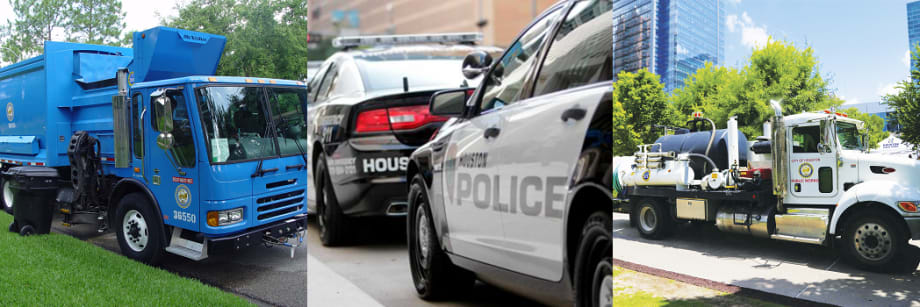
The Houston Fleet Mangement Department manages just under 13,000 vehicles ranging from public safety vehicles to heavy trucks.
Photos courtesy of City of Houston
3 min to read
In 2017, the City of Houston was hit with 4.5 feet of rain and 130-mph winds. Hurricane Harvey tied with Hurricane Katrina as the costliest tropical cyclone in the U.S., according to the National Oceanic and Atmospheric Administration (NOAA).
The City of Houston lost approximately 300 vehicles in the storm. But in the years since, the city has worked to rebuild its fleet operation with carsharing and alternative fuels programs that will help usher in a new era for the fleet.
Keeping City Operations Moving
Although the city’s motor pool, Fleet Share, was already widely used, these shared vehicles became critical after the storm as user departments worked through Federal Emergency Management Agency (FEMA) reimbursement and city procurement processes to replace department-assigned vehicles, explained Marchelle Cain, chief of staff and deputy assistant director for the Fleet Management Department.
Since 2012, the City of Houston has worked with Zipcar to manage its Fleet Share program. With this technology, city employees enrolled in the program can reserve a vehicle online, locate it, and scan a badge to enter the vehicle.
Motor pools generally rely on high utilization for success, and monitoring vehicle usage allowed the fleet team to maximize that utilization and ensure vehicles were getting multiple reservations in a day. The Fleet Share program includes 160 vehicles stationed at 15 hubs across the city. Using Zipcar’s technology, fleet management can identify popular hubs and move vehicles around to accommodate that demand.
“In response to heavy use, we can add cars, move the hubs, or stand up new hubs in areas where a city department is moving or has hired a new team and needs access to more vehicles,” explained Cain. “The program is designed to be flexible. If one location is not getting used as much as another, we can re‑allocate vehicles and resources to meet the needs of the riders.”
Preparing for Electric Vehicles
Green initiatives are not new to the Houston fleet — the city owns about 600 hybrids and 30 EVs. But it’s something the city has placed a special emphasis on in recent years.
Houston Mayor Sylvester Turner is co-chair of the Climate Mayors, a network of U.S. mayors who aim to demonstrate leadership on climate change and helped develop an EV purchasing cooperative. When first formed, the cooperative included 142 agencies committed to purchasing more than 2,100 EVs by the end of 2020. But this cooperative pricing is available to any government fleet.
The City of Houston plans to purchase EVs through this cooperative soon. During the first round of replacements after Hurricane Harvey, the fleet team learned that purchases made with FEMA reimbursement funds were required to go to bid.
Building for the Future
The fleet team continues to adopt new initiatives. Recently, it began a program to incentivize technicians to get certifications. The city now covers the full cost of a mechanic’s first certification test from the National Institute for Automotive Service Excellence (ASE) and the Emergency Vehicle Technician (EVT) program.
Additionally, the fleet is running a pilot on B-20 — a blend of 20% biodiesel — on its Public Works and Solid Waste trucks that ordinarily run on diesel. If the pilot goes well, the city hopes to adopt the fuel across all heavy-duty diesel vehicles.
The city is also awaiting the arrival of 12 hybrid patrol vehicles as part of a pilot for fleet electrification in severe-duty, high-mileage, and high-idle applications.
Subscribe to Our Newsletter
More Green Fleet
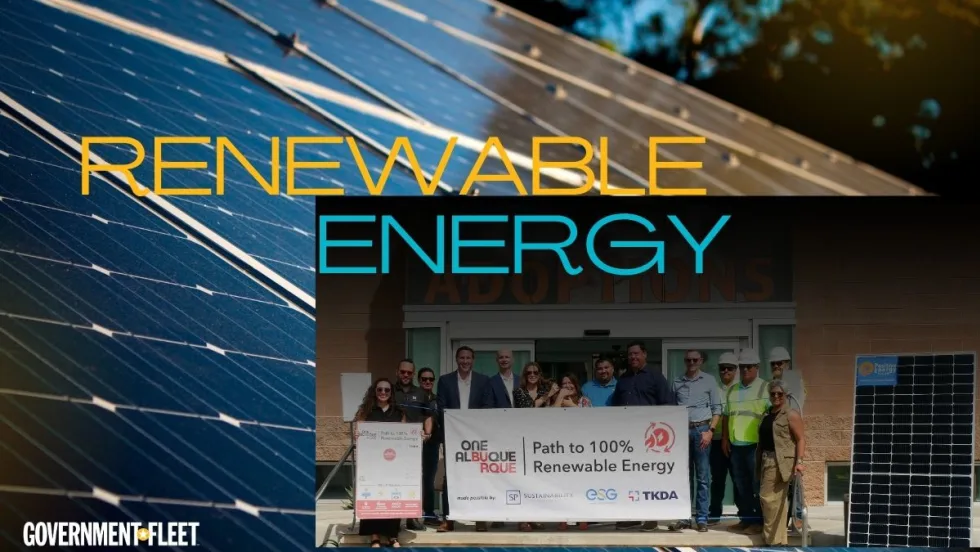
Sustainability Partners, Energy Systems Group Help Albuquerque Close the Gap on its 100% Renewable Energy Goal
The eight-site, 6 MW solar project has advanced the city toward 100% renewable energy for municipal operations.
Read More →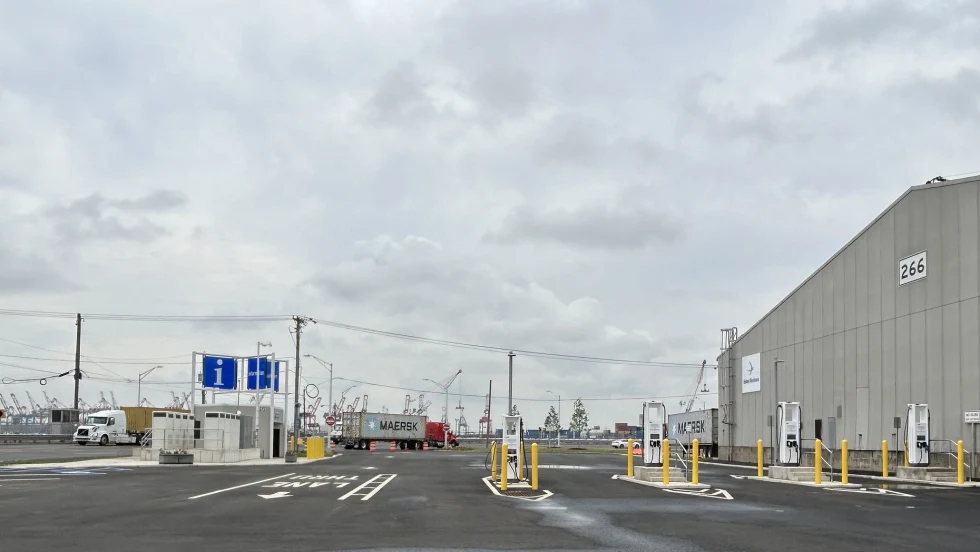
Port Authority and CALSTART Launch $45 Million Electric Truck and Charging Programs
The programs aim to boost sustainable operations across the East Coast's busiest seaport.
Read More →
Moving Government Fleets Beyond the Vehicle Purchase: EV as a Service
A discussion on how EVaaS is moving beyond pilot programs and what fleets should consider before beginning a larger deployment.
Read More →
Moving Government Fleets Beyond the Vehicle Purchase: EV as a Service
As fleets move beyond small EV pilots, Sustainability Partners CEO Adam Cain explains how EVaaS can address the infrastructure and long-term planning required for larger deployments.
Read More →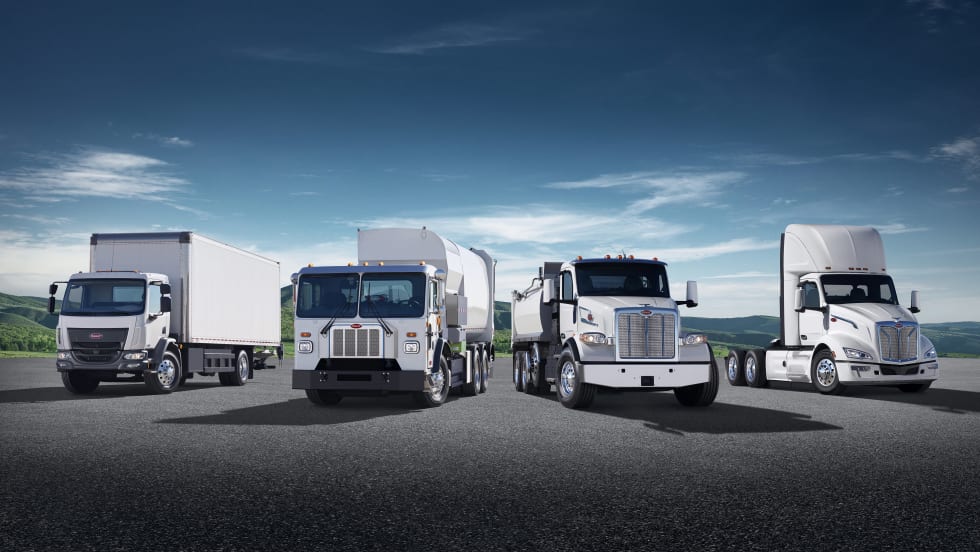
Peterbilt Expands Sourcewell Partnership with Electric Vehicle Lineup
The agreement aims to provide streamlined procurement of Peterbilt trucks for government, education, nonprofit and tribal organizations across the United States and Canada.
Read More →

EV Adoption & Charging Challenges
Where is your fleet in the journey of vehicle electrification? If you're still looking for answers to fleet electrification you've come to the right place.
Read More →
Hawaii Passes Clean Fuel Policy
Hawaii lawmakers passed clean fuel legislation that could support renewable natural gas production, biogas-powered transportation, and lower-carbon fueling options for public and commercial fleets.
Read More →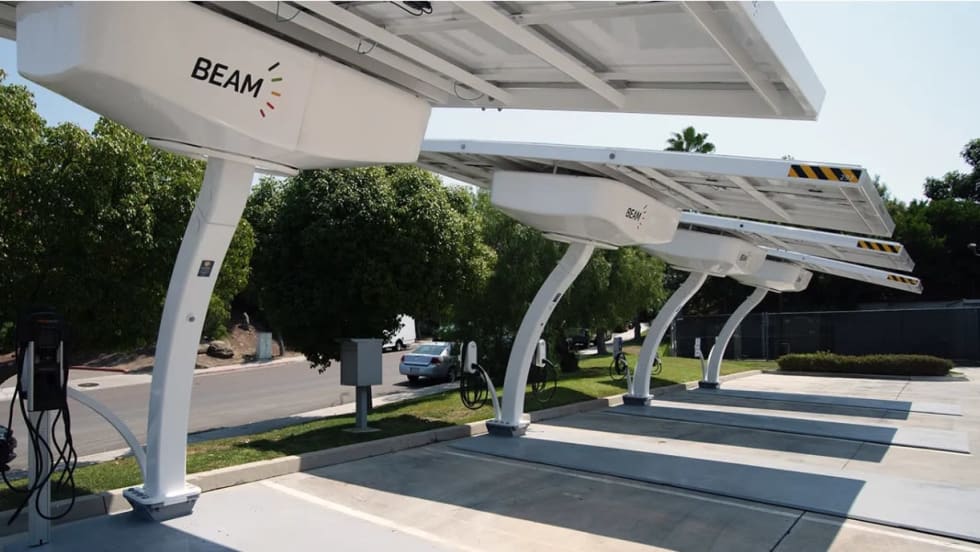
Stanislaus County Deploys Ten Beam Global EV ARC Systems to Support County Fleet Electrification
Stanislaus County deployed 10 off-grid solar-powered EV charging systems and a mobile charging trailer from Beam Global to support its electric fleet operations and emergency response flexibility.
Read More →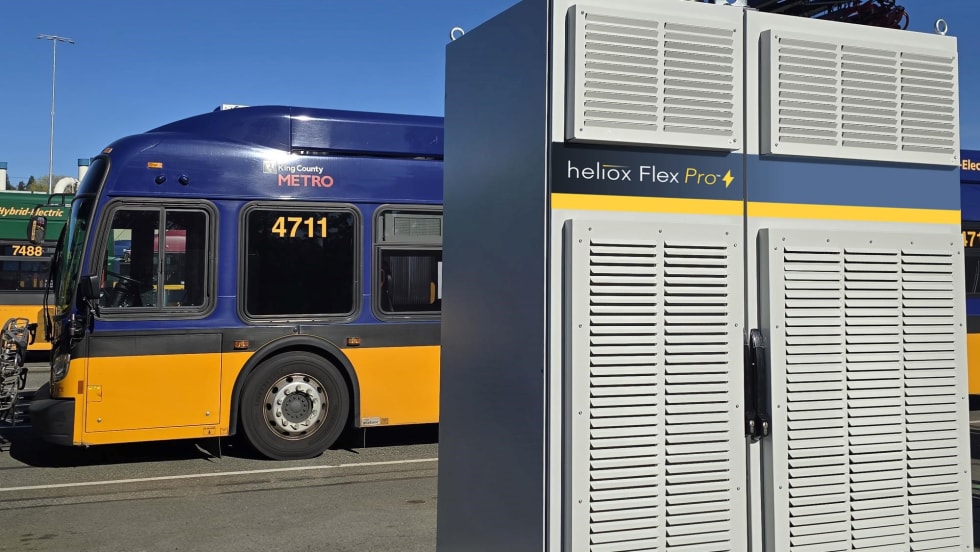
Heliox Pilots 480-kW Bus Charger with King County Metro
King County Metro is piloting Heliox’s new 480-kW Flex Pro charger to support expansion of its battery-electric bus fleet and depot charging infrastructure. The compact charging system supports pantograph and plug-in charging configurations for high-density transit operations.
Read More →