




Ford Debuts Fleet Vehicle Emissions & Fuel Cost Calculator
The new tool helps customers compare vehicle fuel efficiency and sustainability based on customer-specific information and geographic region.

Fleets can maximize "green," both in terms of fuel economy and cost savings. The Vehicle Emissions and Fuel Cost Calculator helps fleets compare vehicle fuel efficiency and consumption so they can make the most informed purchase decision possible.

Fleets can maximize "green," both in terms of fuel economy and cost savings. The Vehicle Emissions and Fuel Cost Calculator helps fleets compare vehicle fuel efficiency and consumption so they can make the most informed purchase decision possible.
Interested in saving on fuel costs and greening your fleet? Ford has developed a specialized new tool to help fleet managers select fuel-efficient vehicles based on specific fuel types, technologies, and operating locations.
The Vehicle Emissions and Fuel Cost Calculator incorporates critical operational information to evaluate fuel costs and emissions, providing an opportunity for fleet managers to quickly evaluate multiple vehicle and fuel options.
Customizing the Information
Ford’s Vehicle Emissions and Fuel Cost Calculator applies customer-specific information, such as vehicle type, fuel type, and individual driving patterns (city traffic or on the highway, for instance), plus the geographic region where the vehicle will be used, to generate information about the fuel efficiency and sustainability of comparable vehicles.
“This tool will help our customers make the most informed purchase decisions possible — ones that will meet their business needs, help promote energy security, and help protect the environment,” said Sandy Winkler, senior researcher with Ford Research & Advanced Engineering and developer of the tool.
For example, the tool can demonstrate how operating an electric vehicle in Portland, Ore., has different environmental ramifications from operating one in Pittsburgh. This is due to hydropower being a common source of electricity in the Pacific Northwest, producing less carbon dioxide emissions compared with the mostly coal-based electricity used in the East Central region.
Fleet-Optimized Sustainability
The emissions calculator helps customers compare the benefits of any two vehicles, but Ford also wants to take this a step further by helping customers understand more about the overall sustainability of their fleets.
The automaker is piloting the Fleet Purchase Planner, which uses mathematical optimization to provide customized purchase recommendations highlighting the best value opportunities for improving corporate sustainability.
Ford continues to make sustainability a priority and is partnering with its customers to do so.
“We look for innovative analytical solutions to help our customers better understand their green vehicle technology options and identify those most beneficial on an individual customer basis,” said Daniel Reich, an operations research analyst at Ford Research & Advanced Engineering.
Customers may contact a Ford representative for more information about this proprietary program. Ford reps can create a customized analysis for fleet managers to determine the environmental impact and fuel costs of specific vehicles.
More Green Fleet
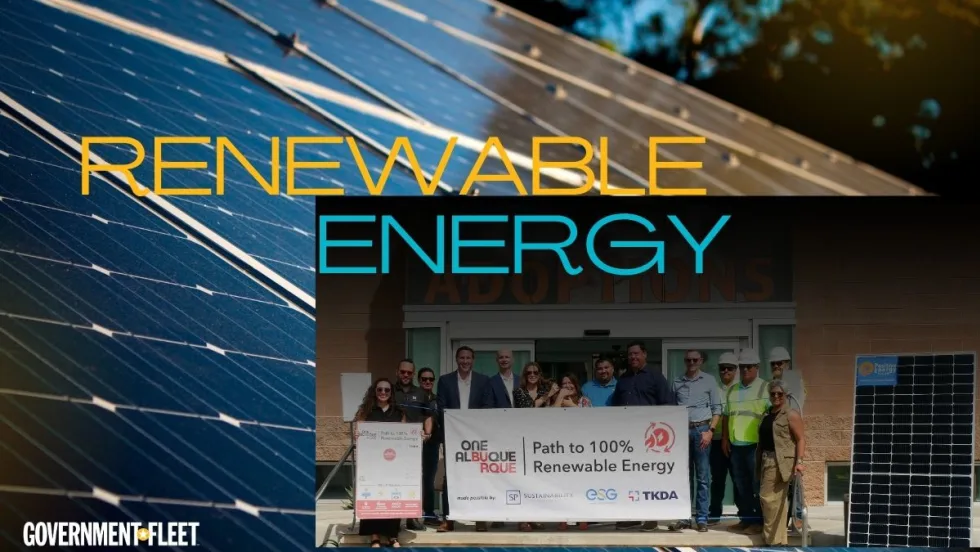
Sustainability Partners, Energy Systems Group Help Albuquerque Close the Gap on its 100% Renewable Energy Goal
The eight-site, 6 MW solar project has advanced the city toward 100% renewable energy for municipal operations.
Read More →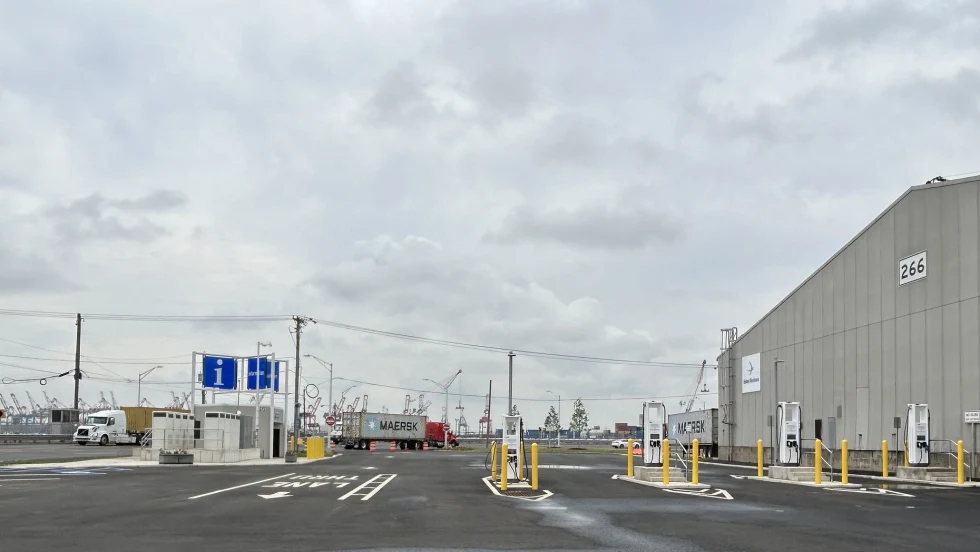
Port Authority and CALSTART Launch $45 Million Electric Truck and Charging Programs
The programs aim to boost sustainable operations across the East Coast's busiest seaport.
Read More →
Moving Government Fleets Beyond the Vehicle Purchase: EV as a Service
A discussion on how EVaaS is moving beyond pilot programs and what fleets should consider before beginning a larger deployment.
Read More →
Moving Government Fleets Beyond the Vehicle Purchase: EV as a Service
As fleets move beyond small EV pilots, Sustainability Partners CEO Adam Cain explains how EVaaS can address the infrastructure and long-term planning required for larger deployments.
Read More →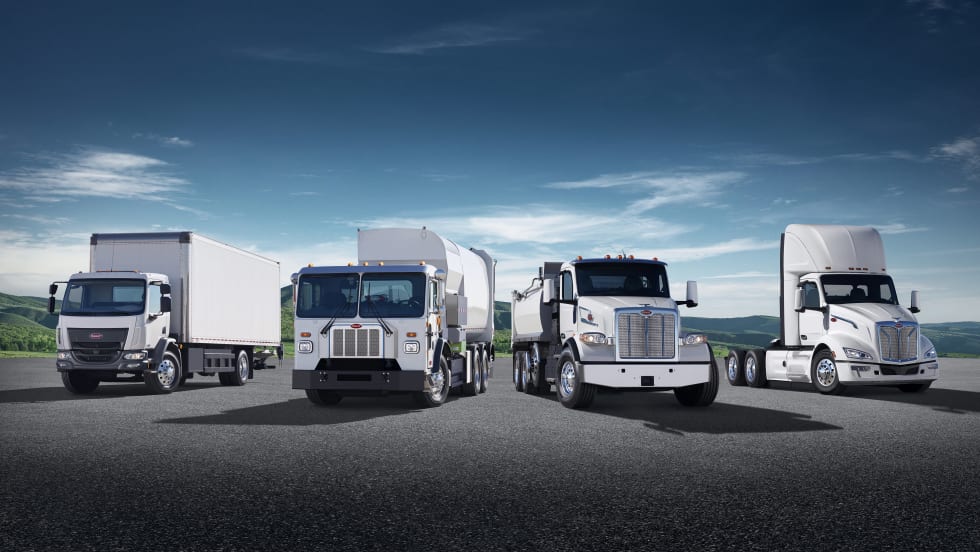
Peterbilt Expands Sourcewell Partnership with Electric Vehicle Lineup
The agreement aims to provide streamlined procurement of Peterbilt trucks for government, education, nonprofit and tribal organizations across the United States and Canada.
Read More →
EV Adoption & Charging Challenges
Where is your fleet in the journey of vehicle electrification? If you're still looking for answers to fleet electrification you've come to the right place.
Read More →
Hawaii Passes Clean Fuel Policy
Hawaii lawmakers passed clean fuel legislation that could support renewable natural gas production, biogas-powered transportation, and lower-carbon fueling options for public and commercial fleets.
Read More →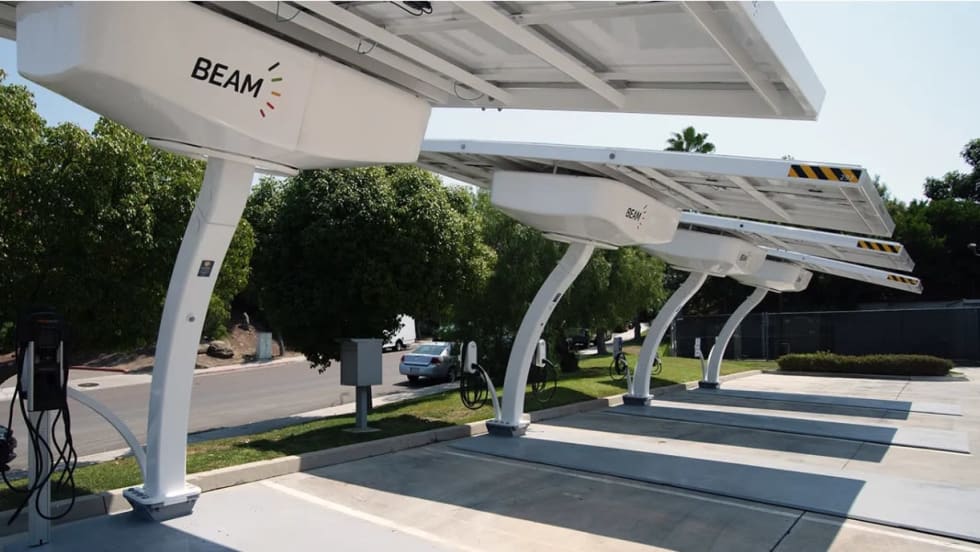
Stanislaus County Deploys Ten Beam Global EV ARC Systems to Support County Fleet Electrification
Stanislaus County deployed 10 off-grid solar-powered EV charging systems and a mobile charging trailer from Beam Global to support its electric fleet operations and emergency response flexibility.
Read More →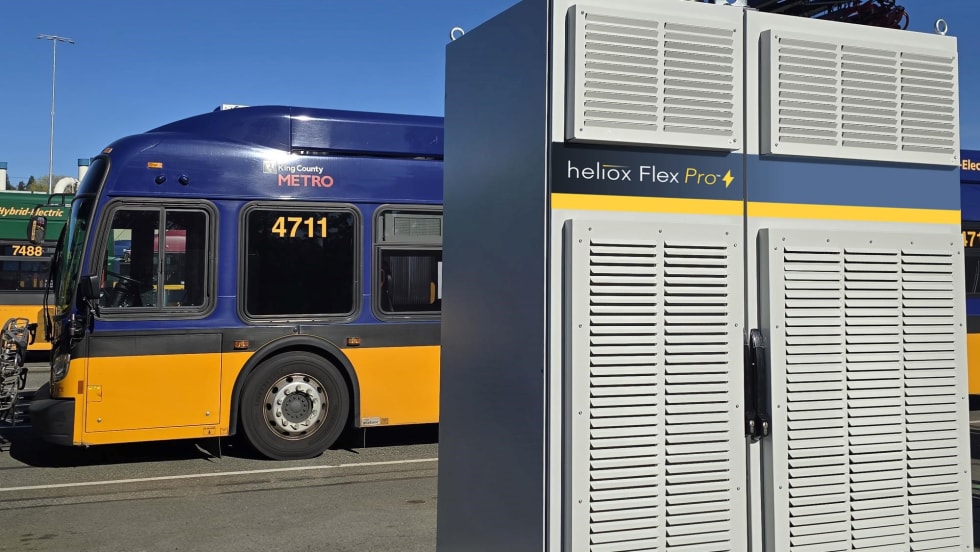
Heliox Pilots 480-kW Bus Charger with King County Metro
King County Metro is piloting Heliox’s new 480-kW Flex Pro charger to support expansion of its battery-electric bus fleet and depot charging infrastructure. The compact charging system supports pantograph and plug-in charging configurations for high-density transit operations.
Read More →