




Learn More: Changing with Technology
Eliminating Touch Points with Tech
Scott Ensor is all in for helping develop newer, safer ways to operate during the pandemic.

Lexi Tucker・Senior Editor
3 min to read
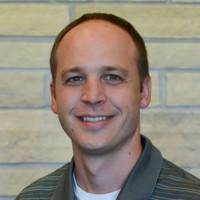
Scott Ensor
Scott Ensor, assistant director of fleet management for the University of Nebraska-Lincoln, got his start working at a hotel for eight years as an office manager. This included overseeing the shuttle department’s vehicles, keeping maintenance records, and managing drivers. He’s always enjoyed working with people and cars, so becoming a fleet manager seemed like a natural fit when he felt it was time to move on from the world of hospitality. Luckily, the customer service aspect of his former job has helped him a great deal in succeeding as a newer fleet manager.
Pivoting to Digital
Although pretty new to his position, he’s in the process of helping the department developing a new process to eliminate touch points when customers keep track of data after using vehicles.
“We track the miles driven on vehicles, but also the days of use as well. Even if a vehicle doesn’t have a ton of miles on it, if it’s being used five days a week, every week, then the utilization is clearly high even if the mileage is low,” he explains.
Nebraska Statute requires each person who uses a vehicle to complete a mileage log/use form on a clip board with a pen. When COVID-19 became an issue, the department had to figure out a way to make this necessary process as safe as possible. They came up with the idea of creating a QR code they can scan on their smartphones which will lead them to a digital version of that same form. They’ll input where they are headed as well as the odometer reading and other vital information.
The department currently manually uploads the data into their fleet management system, and Ensor says the plan is to have that form integrate into their software to automatically update the mileage and usage of the vehicles.
“We are currently working with our IT department, which is writing the programming. The goal is to reduce the chances of any potential spread of the virus as much as possible. We plan on some of our changes being permanent moving forward. I like the quote ‘never waste a good crisis’ when finding improvements.”
Tech Assisted Adjusting
Ensor started in his position on March 2. This was made all the more difficult as the pandemic changed department policies as he was learning them. Thankfully, his boss Patrick Barrett, who has been with the university over 40 years, has been there for him during remote training sessions, sharing his institutional knowledge and experiences.
At the beginning of the pandemic, all of the office staff worked remotely, and they now split days in the office so someone is always there when needed. Everyone is able to collaborate via Zoom screenshare, and also able to remote into their desktop computers through a VPN connection.
Reaching Out
As he learns a new industry, Ensor feels the best piece of advice he has for others starting out is to overcome adversity by asking questions. He’s had to learn about a dozen different software programs that are all interconnected with each other. Learning the relationships between them and where to go when he needs help has been tough, but possible because he has a team that supports each other.
“Ask questions, and don't be afraid to take on issues that come up. This is what gives you the opportunity to learn and grow. Have the courage to speak out when you know you don’t know something.”
Subscribe to Our Newsletter
More Software
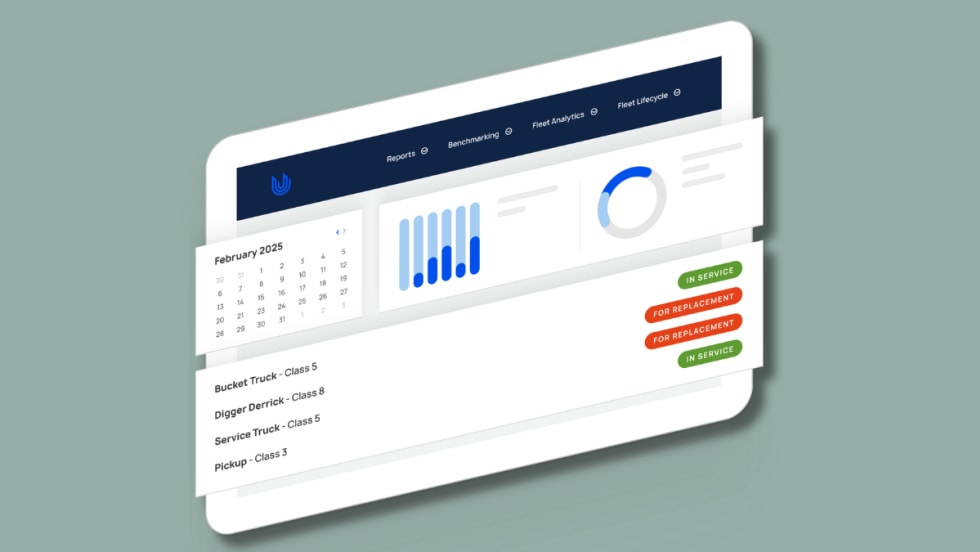
Utilimarc Introduces Vehicle Replacement Planning Tool
Replacing fleet vehicles often involves balancing budgets, maintenance costs, and operational needs. Utilimarc's new planning tool is designed to help fleet managers evaluate replacement priorities using existing fleet data.
Read More →
Samsara Introduces New Brand Identity
The company behind one of the fleet industry's largest connected operations platforms has unveiled a new look. The updated branding reflects Samsara's growing emphasis on AI-driven tools and digital fleet management.
Read More →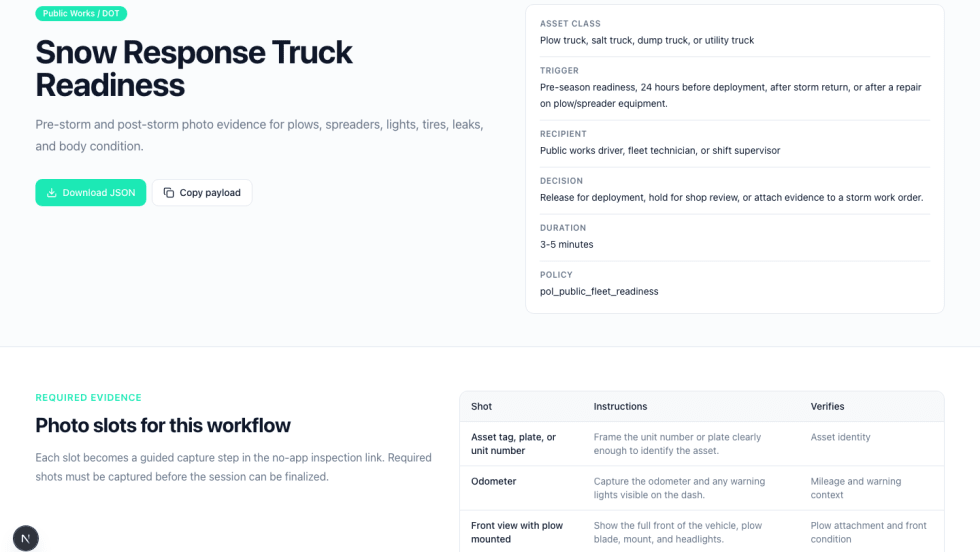
Switch Labs Launches VerifyAI Readiness Kit for Public Fleets
Fleet inspections often rely on paper forms, inconsistent documentation, or manual photo collection. A new toolkit from Switch Labs is designed to give public agencies a more structured way to verify vehicle readiness and track condition over time.
Read More →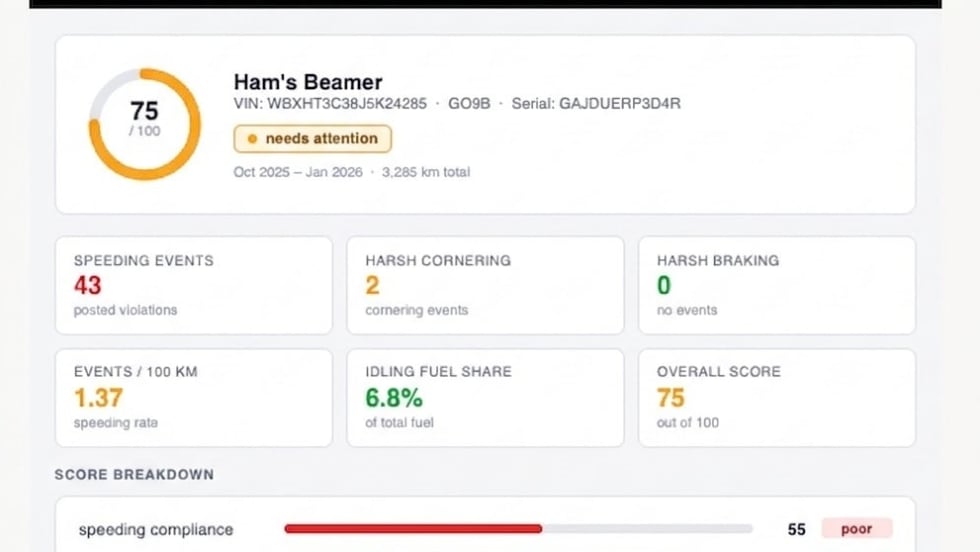
Geotab Launches AI Connector for Fleets
New Geotab MCP Connector enables organizations to securely access live fleet data, automate workflows and take action from within the AI platforms they already use.
Read More →
Ford Adds AI Fleet Assistant to Ford Pro Telematics Platform
AI-driven insights allow fleet managers to query vehicle data, track performance trends, and identify maintenance needs across connected fleets.
Read More →
Report Finds 53.3% of Fleets Researching or Piloting AI Capabilities
New benchmark data highlights the cost pressures, maintenance delays, and workforce constraints shaping fleet operations in 2026.
Read More →
3 Ways Fleet Tech Builds Public Trust
Managing a state or local fleet comes with levels of accountability private companies don’t have. Read how modern fleet technology helps elevate visibility and safety to strengthen community trust.
Read More →
Geotab Expands Sourcewell Contract Adding Video Telematics, Asset Tracking, Data Analytics Solutions for Public Sector
Geotab has expanded its cooperative purchasing contracts with Sourcewell to include additional telematics and data solutions for public sector fleets.
Read More →
Kooner Fleet Management Launches FleetIQ, A Next-Generation Fleet Maintenance Tech Platform
Kooner Fleet Management Solutions has launched FleetIQ, a new platform that uses predictive analytics and automation to improve fleet uptime, streamline service operations, and support data-driven decision-making.
Read More →
Streamlined Maintenance and Repair Options Now Available for Canadian Fleets
Fleetio expands its Maintenance Shop Network into Canada, giving fleets access to verified repair shops, real-time tracking, and automated approvals.
Read More →