




Similar Content: Proving the Worth of Subject Matter Experts
Creating Efficiencies in Managing Police Fleets
Craig Boyles from St. Louis County, Missouri, believes there are two aspects to successful management: passionate people and efficient, up-to-date facilities.

Lexi Tucker・Senior Editor
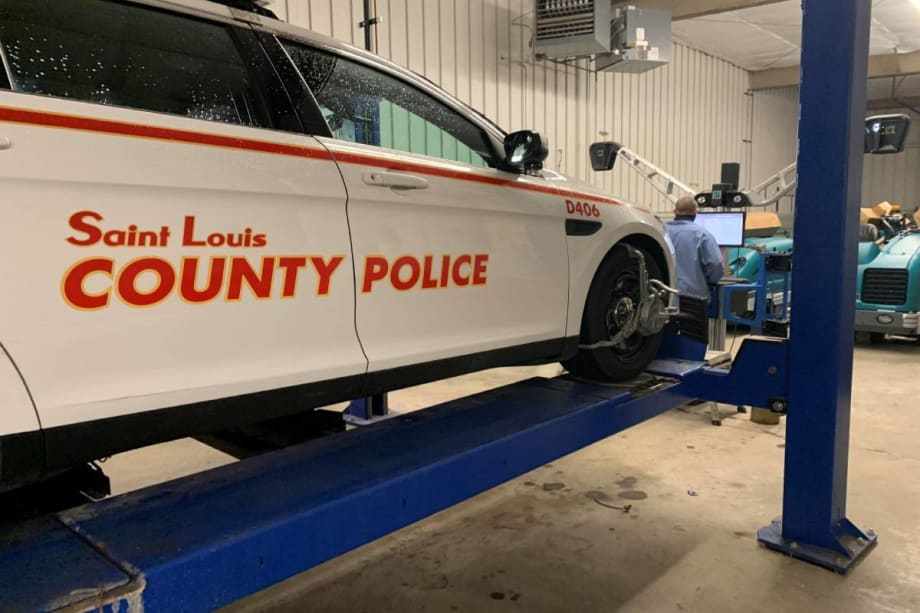
Because Police Departments are so important to the community, assisting officers by helping them respond to incidents in vehicles that are reliable and safe to operate is a priority.
Photo: St. Louis County, Missouri
5 min to read
Craig Boyles, division manager of Fleet and Garage Operations, St. Louis County Department of Transportation, Missouri, enjoys the challenge of keeping law enforcement on the road. Because Police Departments are so important to the community, assisting officers by helping them respond to incidents in vehicles that are reliable and safe to operate is a priority. Boyles takes this responsibility seriously and has worked diligently to select technicians and technology that will keep his customers moving.
Procuring Passionate Technicians
Fleet managers who work with police vehicles know they are driven harder than average vehicles. Boyles enjoys the challenge that comes with finding the most efficient method to repair them.
“As a team, we’ve done a lot of research on various makes and models to discover ways to fix them faster and get officers back on the road as quickly as possible. I enjoy working with the technicians to implement new technology, tools, and procedures to improve repair times or cost,” he said.
Listening to what technicians have learned from their experiences can help a great deal with this endeavor. In fact, when looking to hire new technicians, Boyles said you should be searching for candidates that think about vehicles not just at work, but in their free time as well. This often leads to bringing new perspectives onto the team and can bring about changes no one had previously considered.
“When I hire mechanics, I want someone as interested in vehicles as I am,” he explained.
When Boyles’ staff is researching a problem or looking for more efficient repair methods, they turn to a variety of sources, including the internet, vehicle manuals, and even car shows on TV; basically, any method at their disposal.
Boyles believes that working closely with technicians by getting out from behind the desk and talking to them in the shop is vital to understanding common challenges they face. This enables fleet managers to assist with genuine interest rather than micromanaging.
Being Up-Front
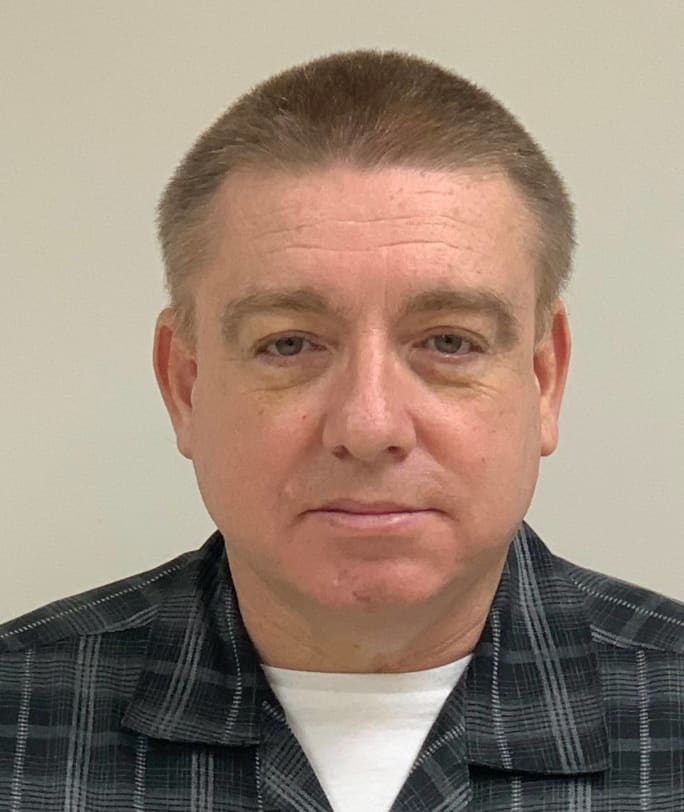
Craig Boyles
The difficulty of finding talented technicians is something many fleet managers struggle with, and Boyles is no different.
Police vehicles make up most of the St. Louis County Department of Transportation’s fleet, and finding applicants that are not only interested, but qualified to work with these vehicles can be challenging. This is because they tend to be driven harder than sedans or SUVs used for administrative tasks.
Boyles reinforced the fact that technicians aren’t just expected to turn wrenches and be done with it anymore. They must understand computers, electrical wiring, and more.
“It's no longer an entry-level career field. Even the average car has become more intricate to work with. It takes someone that's interested in but also has the aptitude for working with vehicles,” he said.
Setting these expectations during the interview process will be beneficial by letting potential technicians know what they are in for if they choose to pursue working with government fleets.
Outsourcing: Not Always the Answer
Boyles has been busy with many projects, but one of the most beneficial has been installing new lifts in the five garages he oversees. With this also comes new alignment racks, which cut down on work that used to be outsourced.
“We found that outsourcing wasn’t efficient. To have a police officer drive to the dealer or some other place to get a commercial alignment just took too much time. They’d have to wait in line even if they had an appointment. We installed our own alignment racks and it’s been a big help by improving the time it takes to perform preventive maintenance on police vehicles considerably,” he explained.
Parsing Down Parts
Boyle’s has switched to a “just-in-time” inventory model to cut down on the number of parts that are purchased and need to be stored.
“We realized we had a lot of parts that didn't fit anything, which was a result of overstocking. Now, if it doesn't move within 30 days, we don't stock it,” he said.
The fleet department works with its parts supplier, which makes two deliveries a day and can sometimes make an important priority delivery if needed. This tactic has helped it reduce inventory by 70%. The team was able to take many of the excess parts it had and turn them in to get credits through its suppliers to help get rid of clutter.
“We use our new fleet software to run daily and weekly periodic reports to see what we actually need to stock,” Boyles said.
He plans to work with his team to actively manage this change so they don’t revert back to purchasing what they don’t need.
Tapping Into Technology
The fleet team has installed a separate wireless internet for diagnostic equipment because the county internet firewall blocks some functionality for security purposes. Most equipment is not designed to run on a locked-down internet connection. The new Wi-Fi runs on a cellular signal so technicians can use mobile devices to connect to diagnostic equipment.
Becoming a Better Manager
When it comes to becoming a better manager, Boyles has an unusual piece of advice: take as many writing classes as you can.
“Effectively communicating in an email or letter to both employees and higher-ups can make a huge difference. If you can't put your thoughts down on paper, you can't justify your need for additional funding or people,” he explained.
When it comes to communicating with employees, he said if you find yourself yelling, you probably aren’t doing your job properly.
“Are you setting clear, easy to understand standards? Give your employees goals, follow up with them, and provide calm, helpful feedback,” he advised.
Subscribe to Our Newsletter
More Operations

How St. Johns County Turned Fleet Data Into Better Replacement Decisions
St. Johns County, Florida, had fleet data, but turning it into reliable decision guidance was another matter. Instead of starting over with a new fleet management system, the county connected existing tools and built a scoring system that gives managers an objective look at fleet health.
Read More →
Fleet Forward Conference Introduces One-Day Passes for 2026
New one-day registration lets fleet professionals attend Tuesday, Wednesday, or Thursday, with passes available for $249.
Read More →
ENC Unveils its ZAVIR Medium-Duty Shuttle
Two variants of the concept shuttles were revealed: a low-floor configuration and a high-floor configuration.
Read More →
Could Your Next Fleet Technician Start as an Intern?
What if your next technician hasn’t worked in a fleet shop yet? What fleets are doing to free up time.
Read More →
How Phoenix Is Building Its Next Generation of Fleet Technicians
With more than 8,000 vehicles and pieces of equipment to maintain, the City of Phoenix could not afford to wait for fully trained technicians to walk through the door. Instead, they revamped their entire workforce strategy and showed how public fleets can create their own talent pipeline while preparing existing employees for increasingly complex vehicles.
Read More →
What’s Slowing Your Fleet Down?
Could a change in how work gets done help your fleet return vehicles to service sooner?
Read More →
Can Public Fleets Trust the Data Driving Their Decisions?
Public fleets have more data than ever, but inconsistent records and missing information can still undermine maintenance, replacement, and cost decisions.
Read More →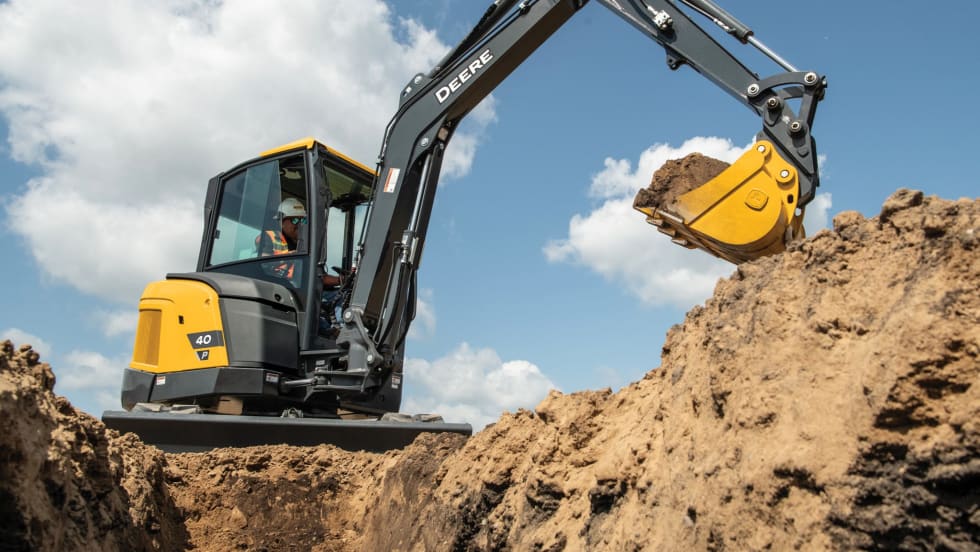
John Deere Introduces 40 P-Tier Compact Excavator
John Deere is adding a compact excavator designed for crews that need to move equipment between jobsites and handle multiple types of work with one machine. The 40 P-Tier weighs less than 10,000 pounds and offers configurable hydraulics, attachment options, and connected fleet-management capabilities.
Read More →
How Leading Fleets Improve and Why Business Plans Matter
This week, we look at what past Leading Fleet winners can teach us about making progress, plus how to build a business plan your fleet will actually use.
Read More →
Nominate a Fleet Leader for the 2027 Public Fleet Hall of Fame
Do you know a fleet leader who has made a lasting impact on the industry? Nominate this fleet professional for the 2027 Public Fleet Hall of Fame.
Read More →