




Centralized Procurement — Autonomy or Savings?
While centralized procurement has its disadvantages, the benefits far outweigh the costs, especially for state fleets.


At A Glance |
Some benefits of centralized procurement include:
|
* Special fleet knowledge series sponsored by NAFA
In general, centralized procurement is recognized as having several key advantages. First, it avoids overhead and redundancy by concentrating procurement in one organization. This in turn provides for centralized records or data and usually ensures the use of trained and expert staff. Another plus is that suppliers deal with a central organization and are more likely to forge strategic partnerships. Finally, the big one, collaboration can lead to better prices through volume discounts. But do the generic benefits of centralized procurement apply to state fleets? Well, why wouldn’t they?
It is certainly advantageous to concentrate vehicle acquisition within a single organization and staff that organization with procurement experts. There is the additional critical requirement, however, to involve fleet management experts in the procurement decisions. Having a consolidated fleet database is also a benefit as it permits better decision-making and avoids duplication. Strategic partnering in vehicle procurement cannot be emphasized enough — building those indispensable relationships with vendors is most easily accomplished through a central organization. In addition, vehicle pricing is highly impacted by volumes achieved through consolidation of an organization’s requirements. NAFA’s Business Management Guide offers an in-depth look into strategic planning from how to size up potential opportunities to why some strategic partnerships succeed while others fail.
While there are many benefits to centralized procurement, there are possible downsides to consider. In many cases, field departments control the funds and therefore want to make the decisions, perceiving any attempt at centralization as a threat. It is also possible that centralization could impose an additional layer of bureaucracy and complexity, which could lead to acquisition delays. In still other cases, central procurement means purchasing off standing contracts set up to achieve the largest discounts and can preclude purchasing locally, even when it makes sense for time or price reasons.
A Good Choice for State Fleets
Despite its disadvantages, centralized procurement is attractive for state purchasing. In addition to the obvious benefits listed above, two more reasons make collective purchasing advantageous — the regulatory environment and risk mitigation. When procurement authorities are scattered throughout an organization, the process is more difficult to control and audit. It is much easier to verify regulatory compliance in a centralized procurement environment. Similarly, risks are reduced when procurement regulations are followed and when the people involved in procurement are trained experts.
A quick look at only three states illustrates that the aforementioned benefits are only the start. In Michigan, centralized vehicle procurement has reduced the types of vehicles purchased from 104 to 38. Fewer vehicle types means fewer parts on hand, less training required for mechanics, and potentially greater volume discounts. In Vermont, centralized procurement has resulted in many of the advantages listed, plus the ability to better monitor and reduce environmental impacts. In Florida, a State with decentralized purchasing, serious consideration is being given to centralization, in part because only seven of 30 agencies have fleet management expertise.
The arguments for centralized fleet procurement clearly go beyond vehicle purchasing; many organizations also recognize the benefits of experts managing fleet utilization, maintenance data collection, and remarketing. In the end, the key to centralization lies with utilizing the strengths that fleet management experts bring to the table. With the proper guidance in place, centralization can offer many positive benefits to an organization.
About the Author
Lt. Col. (retired) Katherine Vigneau, CAFM, spent almost 27 years in the Canadian Army working in transportation and logistics. She retired in 2010 to start KMVS Fleet+ Consulting, specializing in fleet management education and training. Vigneau is a former NAFA Trustee and currently serves as NAFA’s Professional Development Strategist.
More Procurement
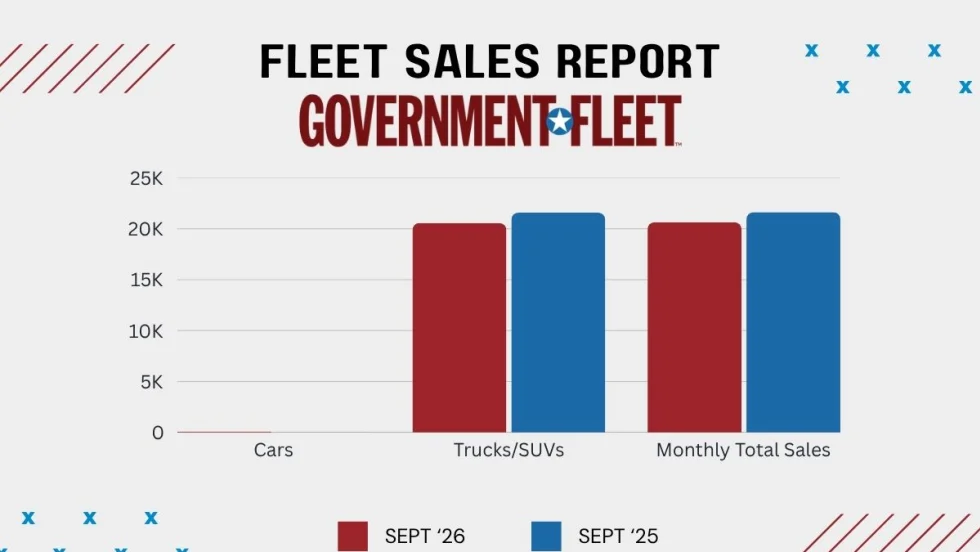
Government Fleet Car Sales More Than Double in September
Government fleet car sales rose 112.8% year over year in September, climbing from 39 to 83 units even as total monthly sales declined 4.5%.
Read More →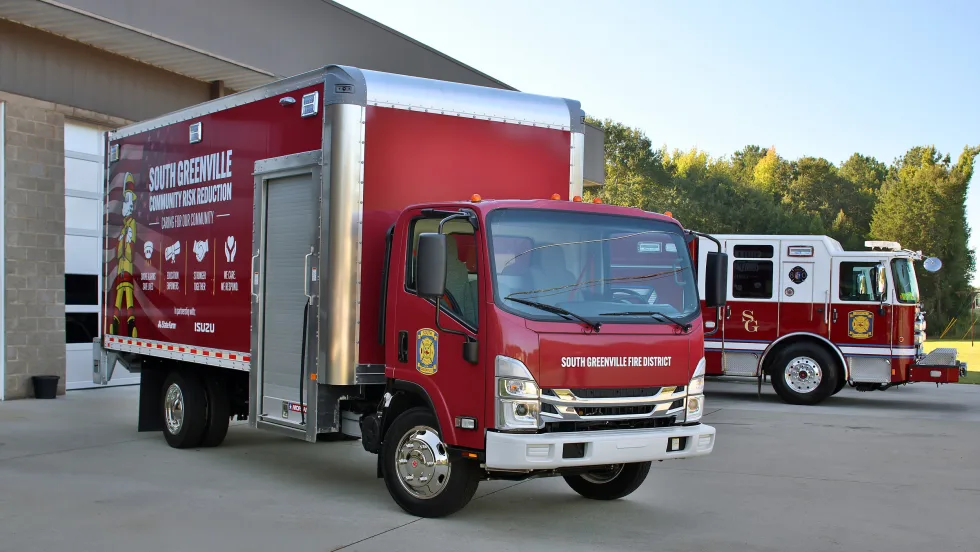
Isuzu Donates New N-SERIES NRR Truck to South Greenville Fire District to Support Community Outreach
Isuzu NRR equipped with Morgan truck body and PALFINGER liftgate will help support fire safety education, community engagement and outreach programs throughout Southern Greenville County.
Read More →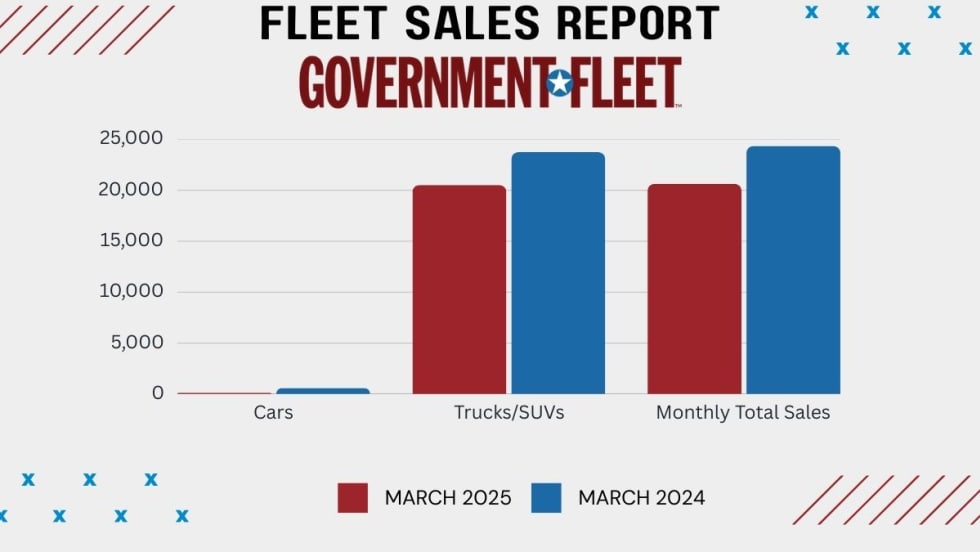
Government Vehicle Sales See Continued Growth from Beginning of Year
Government fleet sales rose from both January and February monthly totals, which were both under 20,000.
Read More →
Updated: Trump Signs Proclamation Imposing 25% Tariff on Auto Imports
A new proclamation signed by President Trump imposes a 25% tariff on imported passenger vehicles and key auto parts, citing national security concerns.
Read More →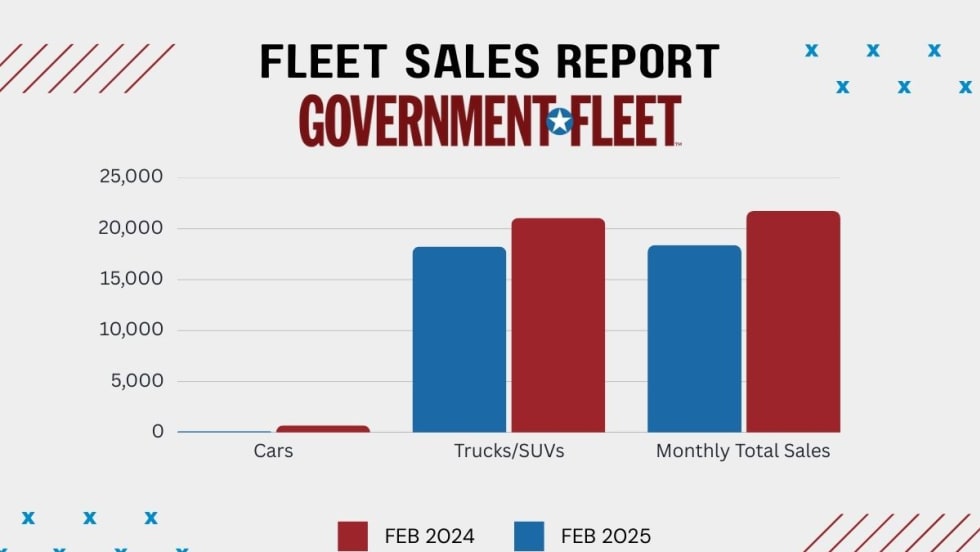
Government Vehicles Sales See Another Dip Compared to 2024
Government fleet sales last month came in at 18,383 vehicles, falling 15.4% from 21,737 in February 2024.
Read More →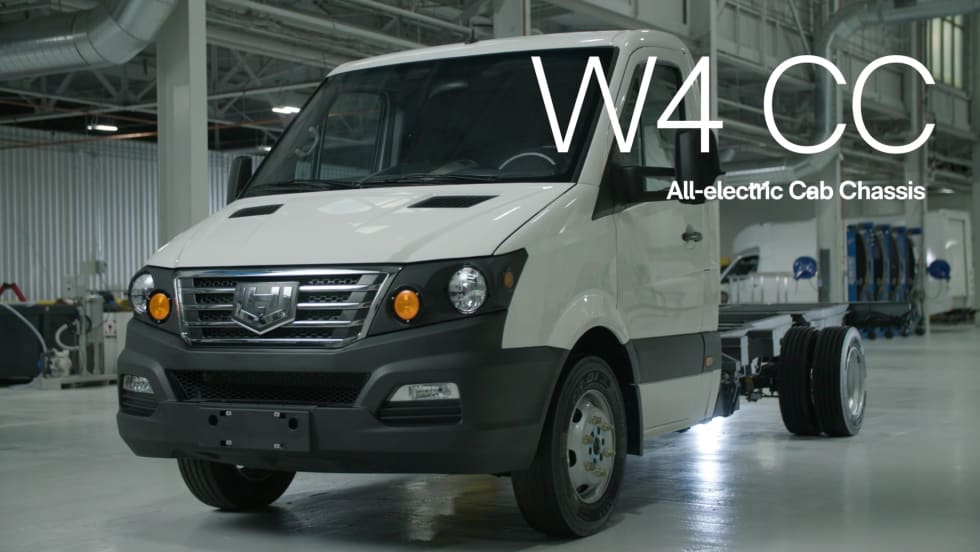
Washington Municipality Adds Workhorse Electric Trucks to Fleet
The municipality will deploy two W4 CC electric work trucks for trash and recycling can switch-outs, enhancing the efficiency of its waste management services.
Read More →
From the Archives: Changes in Fleet Acquisitions
When vehicles become harder to acquire, fleet managers must balance keeping vehicles on the road longer while managing the escalating operating costs of older vehicles.
Read More →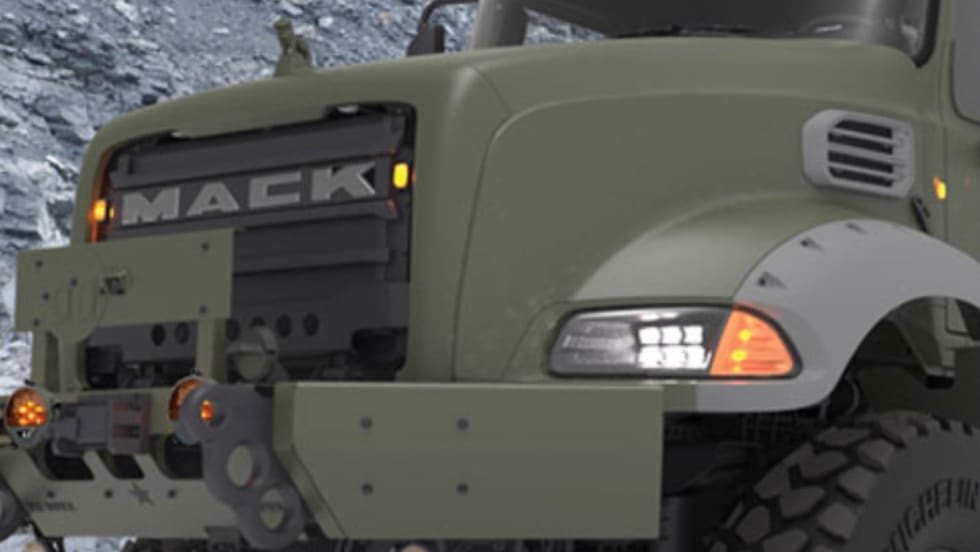
Mack Defense Awarded Contract By U.S. Marine Corps To Develop Medium Tactical Truck
The U.S. Marine Corps awarded Mack Defense a 12-month contract for the initial development of a new Medium Tactical Trucks (MTT) fleet.
Read More →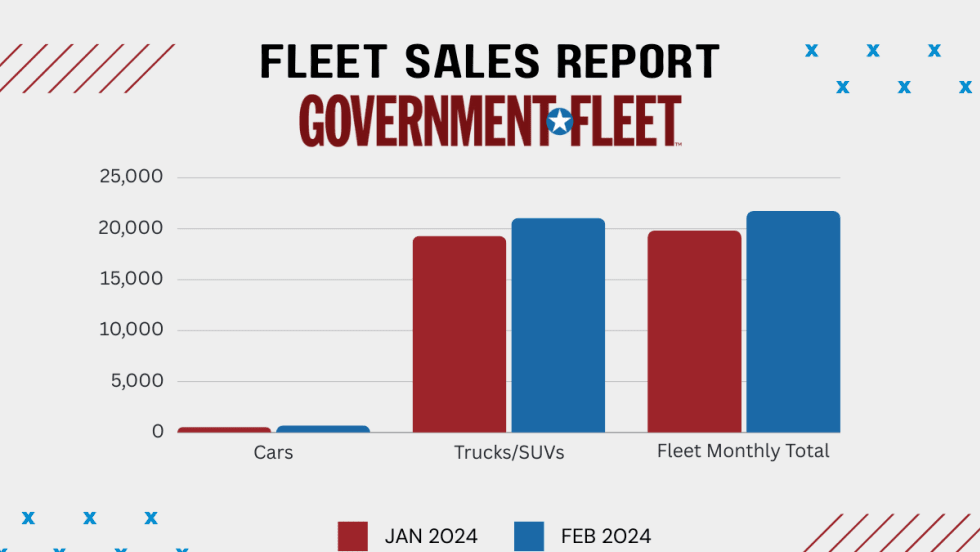
Government Vehicle Sales Rise from January to February
Government vehicle sales continue to rise into 2024 with both car and truck/SUV sales climbing between January and February of 2024, according to Bobit/Government Fleet sales data released March 2.
Read More →
How the UAW Strike Affected Government Fleet Orders from the Big 3
Government Fleet asked the Big 3 how their operations have been in the weeks since the UAW strike ended, with new contracts ratified. Plus, automakers address concerns about vehicle delivery delays.
Read More →