




Miss This? GFX 2027 Call for Proposals Now Open
Built for the Mission, Not the Mold: How the City of Glendale Championed Innovation
What does a K9 vehicle built for Arizona heat have in common with a street sweeper helping police track wanted vehicles? For the City of Glendale, both started with looking beyond the obvious solution. We spoke with Craig Croner to learn how they earned a 2026 Police Fleet Innovator award.
August 26, 2026
Police Fleet Innovator honorees demonstrate how fleet teams can rethink conventional approaches to support law enforcement operations.
Credit:
Government Fleet
6 min to read
- The City of Glendale developed innovative solutions like a specialized K9 vehicle for Arizona's heat and a street sweeper that assists police in tracking wanted vehicles.
- These initiatives began with the city looking beyond conventional solutions to address specific challenges.
- The successful innovations led Glendale to receive the Police Fleet Innovator award at the GFX conference.
*Summarized by AI
“What I’ve learned over the years is that the best way to get a really good product at the end is to really collaborate with your customers at the beginning.” This idea is central to the advances that earned the City of Glendale, Arizona, a 2026 Police Fleet Innovator award.
Craig Croner, deputy director of field operations at Glendale, believes that problems cannot be solved in a vacuum. For Glendale, the best results come from collaboration.
After redesigning the police vehicles to better serve K9 officers, working with the police and waste departments, and engaging manufacturers to provide realistic solutions, Glendale found new solutions to their problems.
Keeping Cool
Summertime in Arizona means temperatures over 117 degrees. For K9 officers on duty, that heat can be hazardous. The K9 vehicles they had were old and relied on passive airflow to cool the rear compartments. That dated system was insufficient to deal with the Arizona heat.
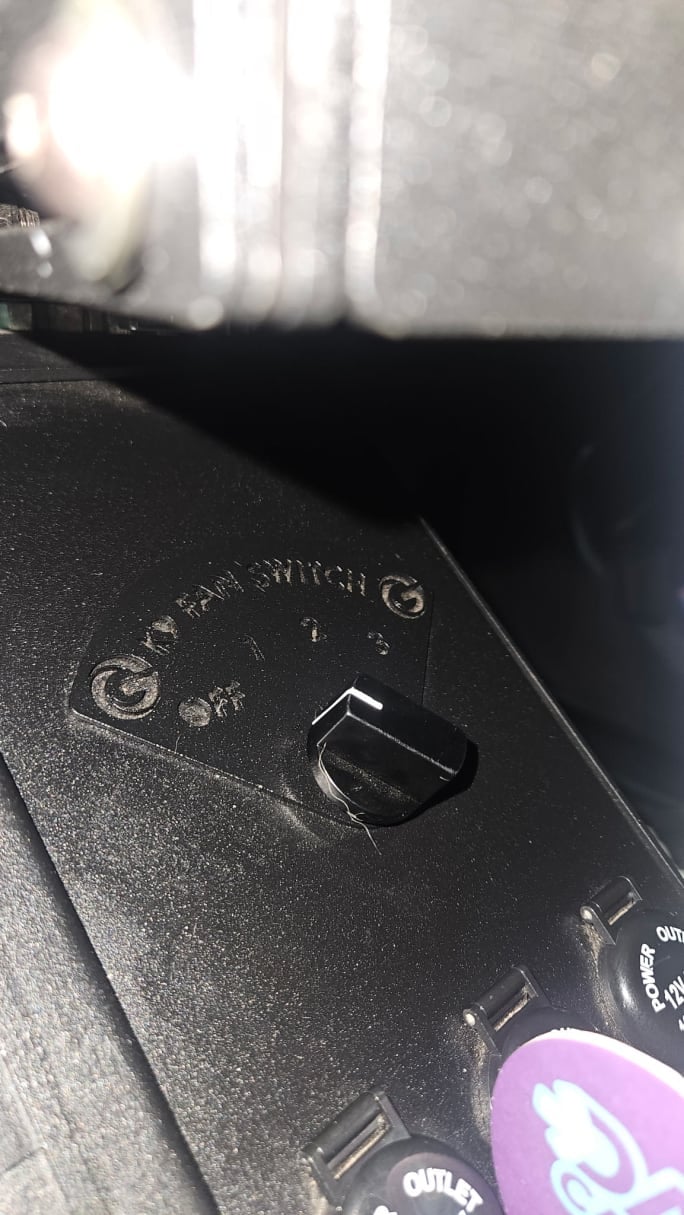
A dedicated control operates the positive-airflow system added to Glendale’s redesigned K9 vehicle setup.
Credit:
City of Glendale
Consulting the human officers who work alongside the K9s, Croner worked with a local vendor to develop a solution that would improve the new K9 builds as well as being able to retrofit existing builds to alleviate buying a new fleet of K9 patrol units.
“We wanted to redesign the new canine vehicle specifically for the cooling of the canine officer,” Croner said.
The solution was to upfit the new K9 vehicles with 300-CFM blowers mounted on the rear cage. The HVAC system was then routed directly to that compartment, directing air conditioning toward the K9 officer cage.
Actively pushing air toward the K9 dramatically reduced temperatures. The new system has been in service for over a year now with great success. The design has worked so well that other agencies in the area have adopted the system for their K9 fleets.
A Seat at the Design Table
While the project was a success in its design and development, the true accomplishment was in the teamwork leading up to its implementation.
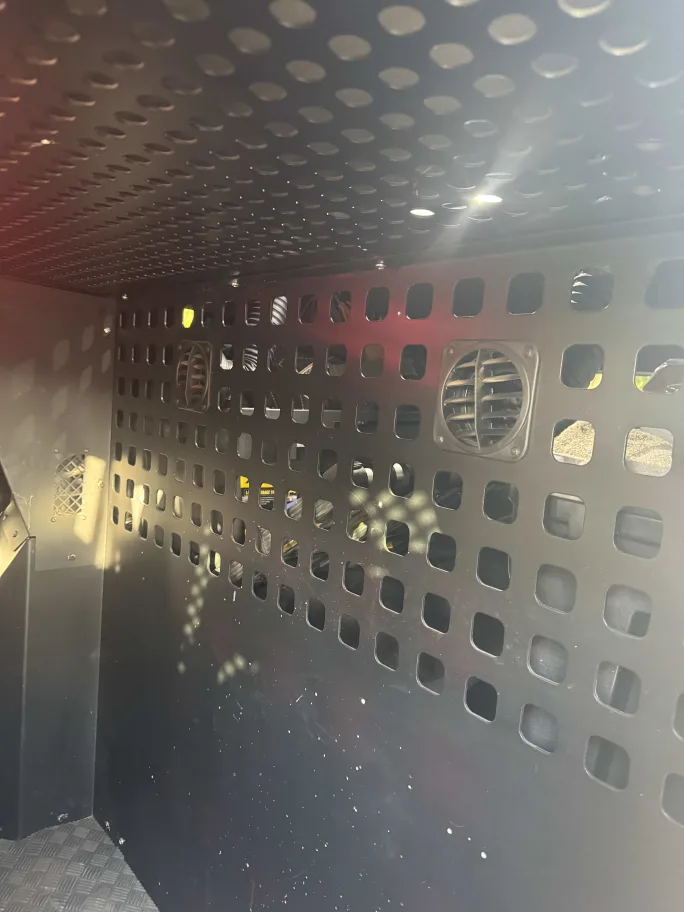
Air vents integrated into the K9 compartment help deliver conditioned air directly to the rear cage, one of the changes Glendale made to improve cooling for its K9 officers.
Credit:
City of Glendale
Knowing that the project couldn’t be successfully completed from inside the shop, Croner invited three K9 officers to work directly with him and the vendor to help develop the design.
“I actually reached out to the officers who had canines, and we had three officers down there to work with us and the vendor,” Croner said. “How is this going to work for you from your perspective, from a customer-use perspective?”
That invitation stood out to the officers. Croner remembered hearing: “Nobody really ever asked us our opinion.” For Croner, this was confirmation of what he already knew: that innovation is not about having all the answers, but knowing the right people to bring into the conversation.
The cooling system was not the only part of the K9 vehicle that needed another look. One of the department’s more aggressive dogs had learned to push its snout between the cage and the vehicle, where it could reach and chew the headliner, destroying the passenger-side airbag.
The damage became significant enough that the team redesigned the cage to block access to that area. They also reinforced the door-popper system after experiencing failures, building those lessons into the new vehicle design.
Small Investment, Long-Term Strategy
The redesign is still new, with over a year of field use, and while it is too soon for Croner to call it a finished project, the results have been promising.
Air conditioning performance can decline as vehicles age, and K9 vehicles face the added challenge of dog hair that can clog passages and impair HVAC performance over time. So far, they have not encountered those issues.
“We don't have any breakdowns. We're just doing our routine maintenance and the officers are happy,” Croner said.
For other K9 patrols looking to make similar improvements to their K9 vehicles, the solution doesn’t need to break the budget. According to Croner, the motor assembly itself can cost roughly $800 to $1,200, and he estimated a department could make the move from passive to positive airflow for around $2,000. Purchasing a new vehicle is not necessary.
“It's a pretty small investment for a long-term strategy,” he said, noting that several departments in the area are now using the system.
Other improvements require more planning. Redesigning or reinforcing the cage would be more difficult and costly to retrofit. Croner said those changes may make more sense when a fleet is already replacing a vehicle and can incorporate them into the new build rather than removing and rebuilding an existing cage.
More Than a Street Sweeper
While the K9 vehicles were top priority, that is not the only area of the Glendale fleet where Croner saw an opportunity for improvement.
The police department commander wanted to expand their license plate recognition capabilities. When Croner was asked to install the technology on a vehicle already making rounds on the city streets, the street sweeper offered a solution.
Instead of purchasing another vehicle or putting another officer on the road, Fleet, Police, and Solid Waste worked together to equip a sweeper already in service with the license plate recognition cameras. Accomplishing this, however, was not a straight line.
When the vendor arrived to install the system, the team learned it had never installed one on a street sweeper before. Croner called in one of his senior technicians, who helped develop the mounting brackets and work through wiring differences.
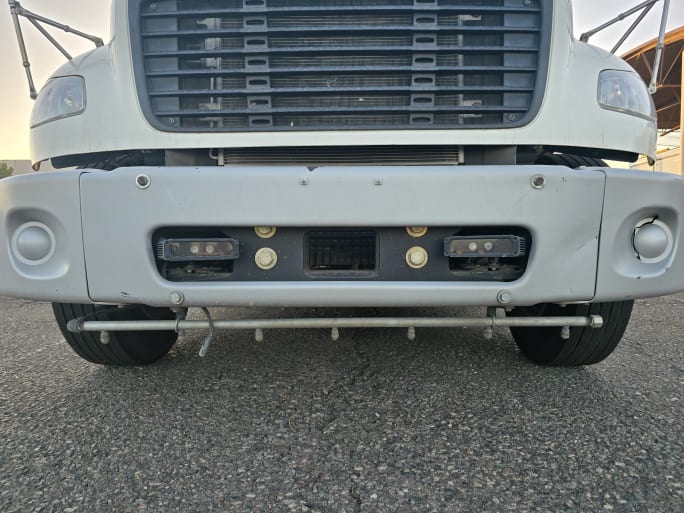
The sweeper operator is not involved with or given access to the data. Instead, the information streams back to the police while the operator continues performing the vehicle's regular street-sweeping duties.
Credit:
City of Glendale
Soon, they began seeing results. At the time Croner submitted the project for the Police Fleet Innovator award, the sweeper had recorded approximately 173,000 license plate recognitions and 19 hits involving wanted vehicles. Beyond identifying those vehicles, the data could help police understand where a vehicle was moving throughout the city and develop a strategy for interception.
For Croner, the innovation was more than the technical application; it was finding another use for assets taxpayers were already funding.
“If you look at it from a taxpayer perspective, we're not buying another vehicle. We're using an existing vehicle. It's already in this fleet. It's already, you know, doing its route,” Croner said. “From a fleet management perspective, I'm not buying two vehicles. We're not putting extra people out there.”
No additional police vehicle, no additional driver assigned solely to collect plate information, and no interruption to the sweeper's existing public works mission needed.
Making More of What You Have
At the City of Glendale, innovation is not about adopting the newest technology; it is about identifying the problem, including the people closest to it, and then using the resources already available to you in new ways.
“Working collaboratively with all people and all interests that were involved — and with this kind of communication — that's really what fleet leadership should be doing,” Croner said.
For other fleet leaders looking to innovate, Croner's projects serve as a reminder that the answer may already lie within the operation. Sometimes the biggest change starts not with another vehicle or another piece of technology, but with asking the people around you how an existing resource could work better.
Quick Answers
The City of Glendale developed a K9 vehicle suited for Arizona's heat and a street sweeper that assists police in tracking wanted vehicles.
*Summarized by AI
Subscribe to Our Newsletter
More Articles
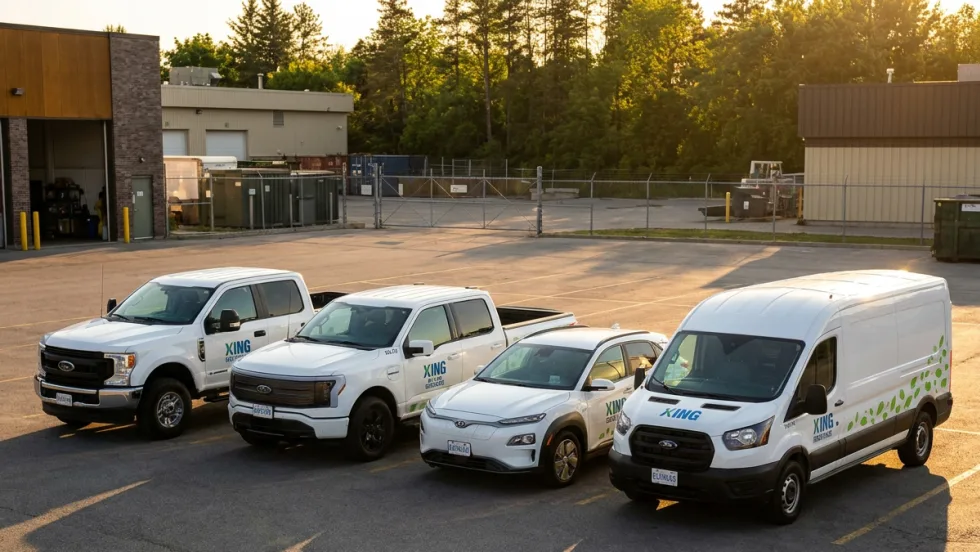
The Missing Link in Fleet Safety: Turning Data into Behaviour Change
Every municipal vehicle tells residents something about how their fleet is being managed. For King Township, Ontario, that visibility made speeding more than a driver performance issue.
Read More →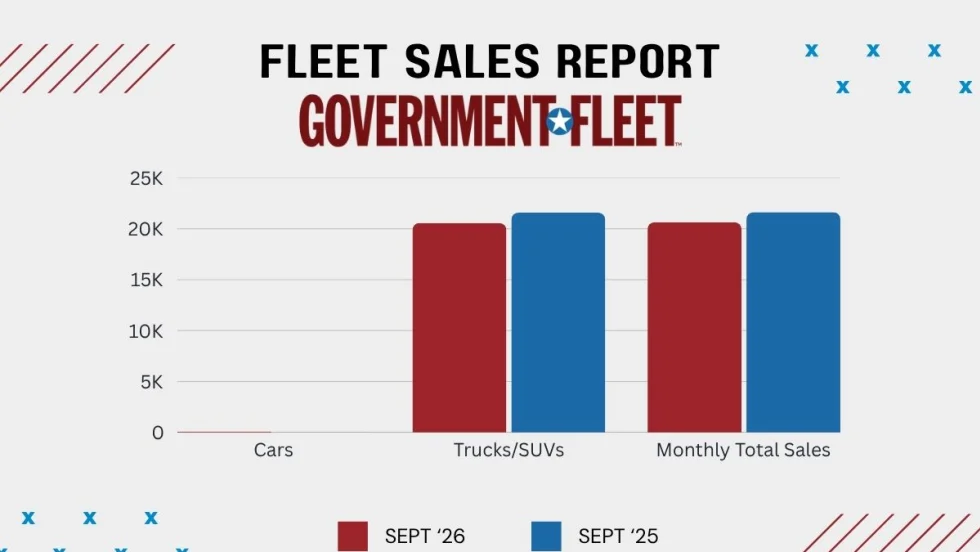
Government Fleet Car Sales More Than Double in September
Government fleet car sales rose 112.8% year over year in September, climbing from 39 to 83 units even as total monthly sales declined 4.5%.
Read More →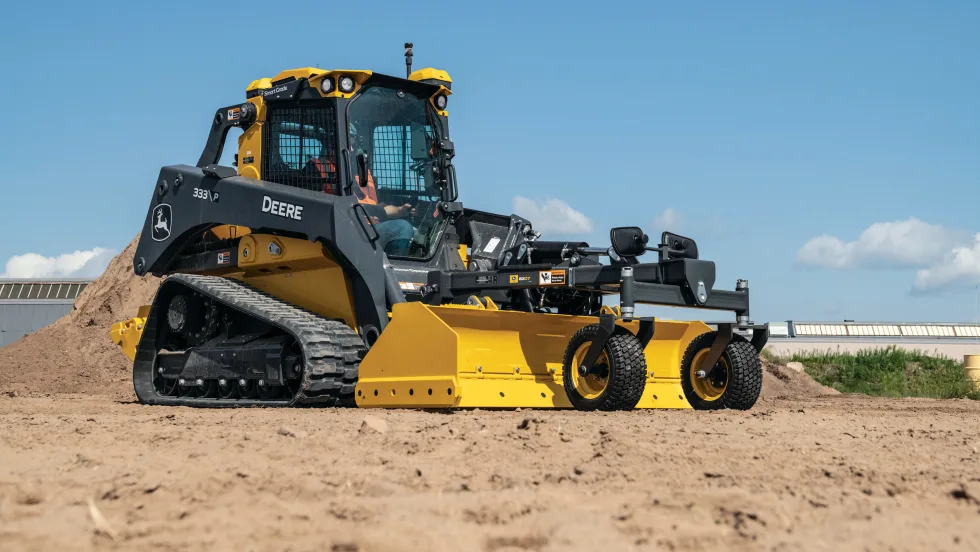
John Deere Adds SmartGrade Box Blades, Fire Suppression Option
John Deere is expanding the capabilities of its compact track loaders with new grading attachments and an equipment protection option. The additions include two SmartGrade box blades for the 333 and 335 P-Tier models and an integrated fire suppression system for large-frame machines.
Read More →
Fleet Forward Conference Introduces One-Day Passes for 2026
New one-day registration lets fleet professionals attend Tuesday, Wednesday, or Thursday, with passes available for $249.
Read More →
ENC Unveils its ZAVIR Medium-Duty Shuttle
Two variants of the concept shuttles were revealed: a low-floor configuration and a high-floor configuration.
Read More →
Could Your Next Fleet Technician Start as an Intern?
What if your next technician hasn’t worked in a fleet shop yet? What fleets are doing to free up time.
Read More →
How Phoenix Is Building Its Next Generation of Fleet Technicians
With more than 8,000 vehicles and pieces of equipment to maintain, the City of Phoenix could not afford to wait for fully trained technicians to walk through the door. Instead, they revamped their entire workforce strategy and showed how public fleets can create their own talent pipeline while preparing existing employees for increasingly complex vehicles.
Read More →
What’s Slowing Your Fleet Down?
Could a change in how work gets done help your fleet return vehicles to service sooner?
Read More →
Can Public Fleets Trust the Data Driving Their Decisions?
Public fleets have more data than ever, but inconsistent records and missing information can still undermine maintenance, replacement, and cost decisions.
Read More →
Isuzu Donates New N-SERIES NRR Truck to South Greenville Fire District to Support Community Outreach
Isuzu NRR equipped with Morgan truck body and PALFINGER liftgate will help support fire safety education, community engagement and outreach programs throughout Southern Greenville County.
Read More →