




Bright Ideas: Safety
Driver assessment programs, monthly safety meetings, and advanced vehicle safety technologies are a few ways fleets can minimize safety risks.
Click here for full article.
Driver Assessment
Develop a driver assessment program with involvement from all stakeholders and responsible parties. When implemented, apply consistently and without exception.
Mandatory driver training and license checks led to dramatically lower insurance costs for the University of Minnesota fleet operations, reducing the annual liability premium by $240,000.
"City Water Light & Power has purchased several pairs of Dump-Lok dump-bed safety devices for use during the repair and maintenance of dump trucks and rear-tilt equipment. Each and every shop that works with dump trucks should have at least one pair of these devices."
—Michael Krall, assistant superintendent of vehicle maintenance, City Water Light & Power, Springfield, Ill.
"Highlands Ranch Metro District currently runs a safety committee panel that reviews safety practices and is also working on building an incident/accident review panel."
—Shawn Khankan, fleet services supervisor, Highlands Ranch Metro District, Colo.
"Stage monthly safety meetings with training. Establish a joint labor-management safety committee. Install a fall-protection system. Conduct wall-to-wall facility audits.
—Millie Souders, division chief – division of fleet management, Rockville, Md.
"Telematics, vehicle backing sonars, and Moto Mirrors help reduce accidents."
—Art Hale, fleet manager, Colorado State Government
More Articles

Could Your Next Fleet Technician Start as an Intern?
What if your next technician hasn’t worked in a fleet shop yet? What fleets are doing to free up time.
Read More →
What’s Slowing Your Fleet Down?
Could a change in how work gets done help your fleet return vehicles to service sooner?
Read More →
Can Public Fleets Trust the Data Driving Their Decisions?
Public fleets have more data than ever, but inconsistent records and missing information can still undermine maintenance, replacement, and cost decisions.
Read More →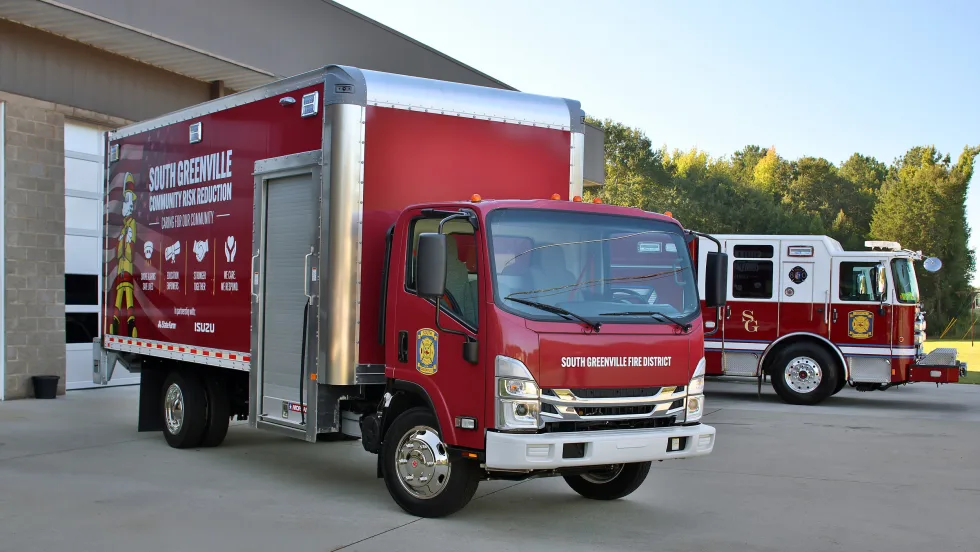
Isuzu Donates New N-SERIES NRR Truck to South Greenville Fire District to Support Community Outreach
Isuzu NRR equipped with Morgan truck body and PALFINGER liftgate will help support fire safety education, community engagement and outreach programs throughout Southern Greenville County.
Read More →
How Phoenix Is Building Its Next Generation of Fleet Technicians
With more than 8,000 vehicles and pieces of equipment to maintain, the City of Phoenix could not afford to wait for fully trained technicians to walk through the door. Instead, they revamped their entire workforce strategy and showed how public fleets can create their own talent pipeline while preparing existing employees for increasingly complex vehicles.
Read More →
Freeing Technicians for Higher-Priority Repairs
Could paid interns help public fleets free up experienced technicians for more complex repairs?
Read More →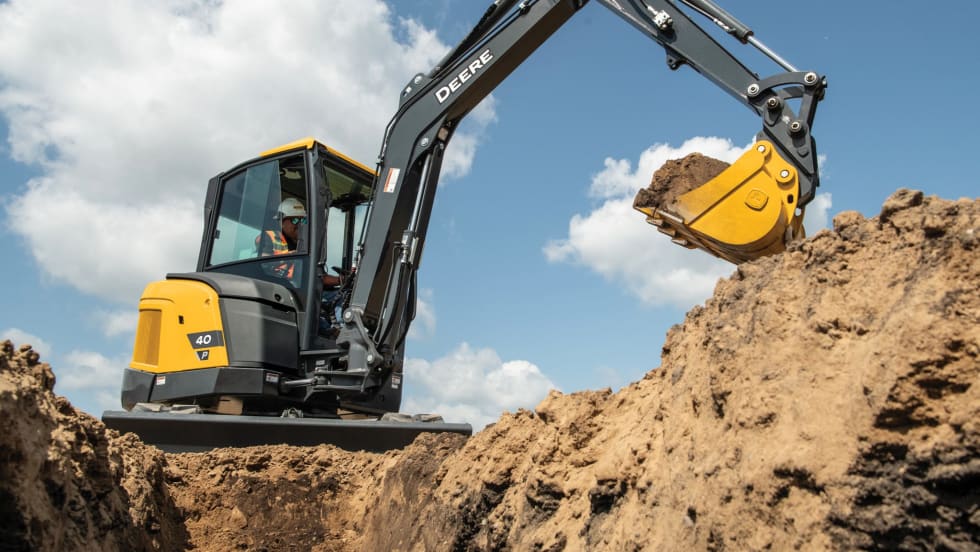
John Deere Introduces 40 P-Tier Compact Excavator
John Deere is adding a compact excavator designed for crews that need to move equipment between jobsites and handle multiple types of work with one machine. The 40 P-Tier weighs less than 10,000 pounds and offers configurable hydraulics, attachment options, and connected fleet-management capabilities.
Read More →
How Leading Fleets Improve and Why Business Plans Matter
This week, we look at what past Leading Fleet winners can teach us about making progress, plus how to build a business plan your fleet will actually use.
Read More →
Nominate a Fleet Leader for the 2027 Public Fleet Hall of Fame
Do you know a fleet leader who has made a lasting impact on the industry? Nominate this fleet professional for the 2027 Public Fleet Hall of Fame.
Read More →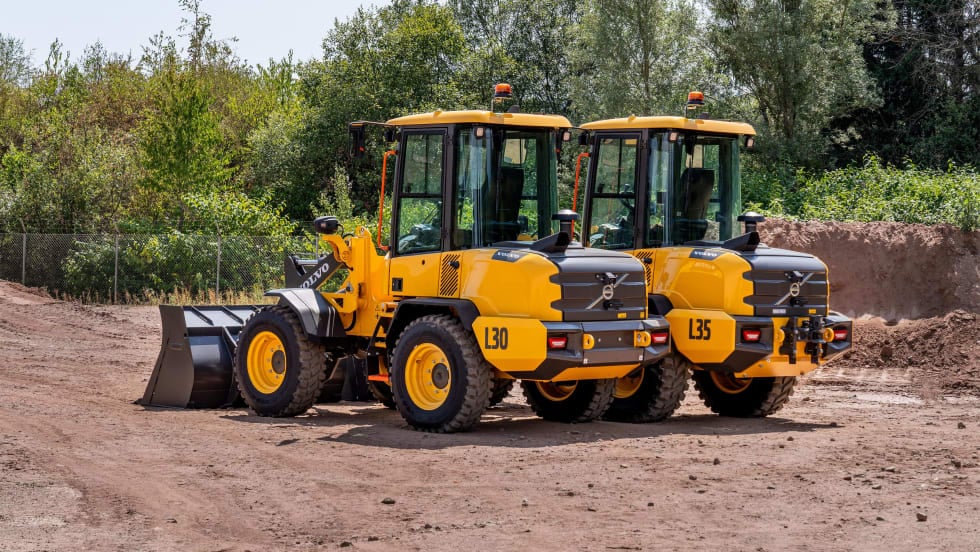
Volvo Updates L30 and L35 Compact Wheel Loaders With Redesigned Rear Frame
The updates aim to provide customers with more flexibility to use the machines for different jobs while improving service access and everyday operation.
Read More →