





Related: Small Fleets' Biggest Challenges
Boost Fleet Efficiency by Creating a Consolidated Vendor List
Many fleets have a list of vendors they can call for outsourced work. What if this list isn’t enough?
March 16, 2018

Photo: Getty Images
3 min to read

Photo: Getty Images
The core business of most fleets is maintenance, so many fleets send out other services to local companies. These services may include towing, glass work, rebuilding engines, or work that requires special tools or equipment.
But what happens when fleet managers don’t have a good list of companies to call on for services? One fleet manager in Northern California set out to make a consolidated vendor list not just for his county, but for the whole region.
How it Started
Carlos Velasquez, fleet manager for Contra Costa County, Calif., joined the Northern California fleet four years ago, coming from Southern California. He found that Northern California had fewer vendors than he was used to, and the county’s list of vendors only included local companies. Some services weren’t on the list because they weren’t available locally.
“The idea came about because of a need to get the work done by (quality) approved vendors as fast and as cost effectively as possible, to have as little downtime as possible,” Velasquez said. “In order to do that, one must know who and where to quickly send units.”
Getting Participants
Velasquez worked with the Northern California chapter of the Municipal Equipment Maintenance Association (MEMA), of which he is a board member, to collect data from participating agencies.
“This is a quick reference with contact information of the best vendors in the northern region. It’s a vital resource available at one’s fingertips,” he said.
Six public fleets in Northern California have signed on so far, and while it’s been a year-long process to create, Velasquez reported that he and the other participants have found the consolidated vendor list to be useful.
What Services are Included?
The range of vendors is wide and includes light- to heavy-duty vehicle and equipment dealerships, upfitters, glass repair services, auto parts suppliers, and more.
The emphasis is on quality vendors, Velasquez said. Each company on the list has been vetted and approved by another public fleet, meaning it provides good customer service, is decently priced, is reliable, and is in good standing.
The list spans numerous counties. Velasquez said he tries local suppliers first before branching out to other areas. While using someone from the list might mean a longer tow or drive to a vendor farther out, it’s often worth it for better and quicker service.
When This May Be Useful
When a unit has an emergency breakdown and needs towing, especially when that happens in another county
When a heavy repair has to be turned around quickly and the local vendor has a backlog
When services aren’t available locally, such as with heavy-duty vehicle or bus dealerships in another county.
Start Your Own
Fleets don’t necessarily need to rely on a local association to create this list — although one would help.
“Reach out to the various fleet agencies around your region to work together to pool your vital resources around you,” Velasquez recommended.
Subscribe to Our Newsletter
More Maintenance

Freeing Technicians for Higher-Priority Repairs
Could paid interns help public fleets free up experienced technicians for more complex repairs?
Read More →
Sponsored•September 18, 2026
Stay ready, set and safer with verified fleet inspections
When fleet inspections aren’t verifiable, missed defects can quickly become downtime, safety risks, and service delays. This white paper shows government and municipal fleet leaders how digital inspections can improve accountability, catch issues earlier, and keep vehicles ready when they’re needed most.
Read More →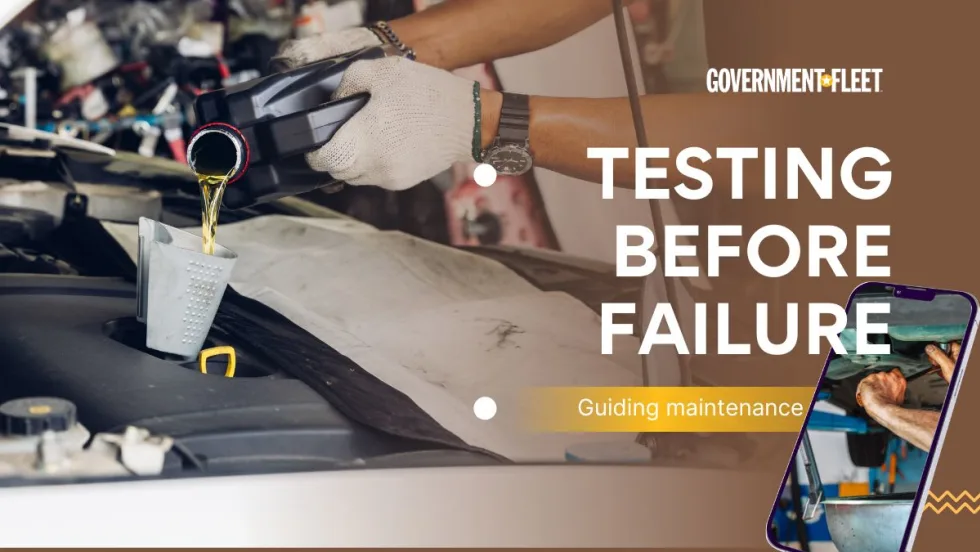
Using Oil Analysis to Help with Engine Losses
How a Texas city changed its lubrication practices and began tailoring preventive maintenance intervals after test results showed oil degradation and fuel dilution.
Read More →
Sponsored•August 10, 2026
Hidden in Plain Sight: Fleet Compliance Risks
Fleet compliance isn't just about having policies — it's about consistently enforcing them. This practical guide reveals six hidden compliance risks common in public sector and shared fleet operations and outlines proven strategies to improve visibility, accountability, and audit readiness.
Read More →
Is Your Fleet Garage Holding Back Your Operation? | The Fleet Breakroom
Norman Barrientos of Barrientos Design & Consulting explains how agencies can use operational data to show decision-makers why a replacement or major renovation is needed.
Read More →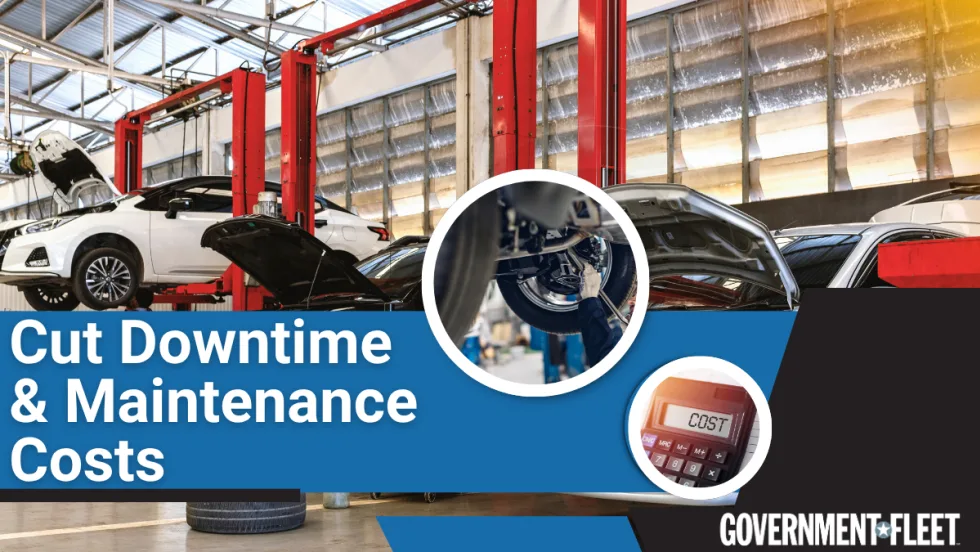
Reducing Long-Term Maintenance Costs and Downtime
Downtime is rarely caused by a single surprise failure but rather by an issue that builds over time through setbacks ranging from deferred maintenance to poor replacement planning. So what's the fix?
Read More →
The Future of Government Fleet Technicians with Mike Cleary
Insight on preparing for hybrid and electric vehicle service, what fleets need to know about recruiting technicians in a competitive market, and how to make the most of limited training budgets.
Read More →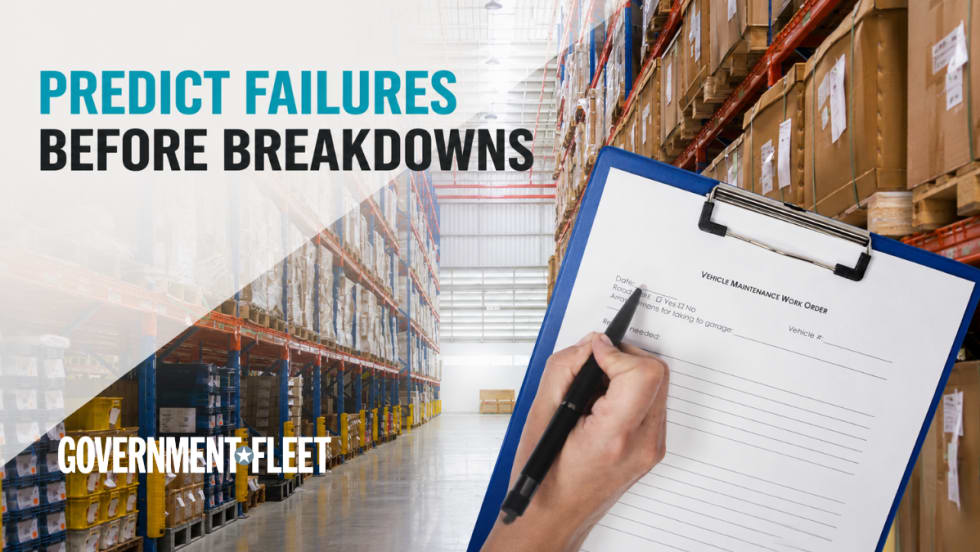
Work Orders Are More Than Records. They're a Roadmap to Fleet Availability
What if your work orders could predict failures, uncover hidden costs, and boost fleet availability? Here's how leading fleets are using the data.
Read More →
Drive More Profit with Greater Fleet Uptime
Fleet downtime costs money. JASPER helps keep vehicles on the road with quality remanufactured components, fast nationwide delivery, and reliable solutions that boost uptime and profitability.
Read More →
Smart Seasonal Maintenance Tips for Government Fleets
Government fleets carry extra weight, and routes, schedules, and public trust depend on reliability. A systematic spring checklist keeps vehicles in service when agencies need them most.
Read More →