




Automated Pool System Saves Soft Costs
Using an automated pool system has proven helpful to several fleets, reducing downtime, improving efficiency, and increasing convenience.

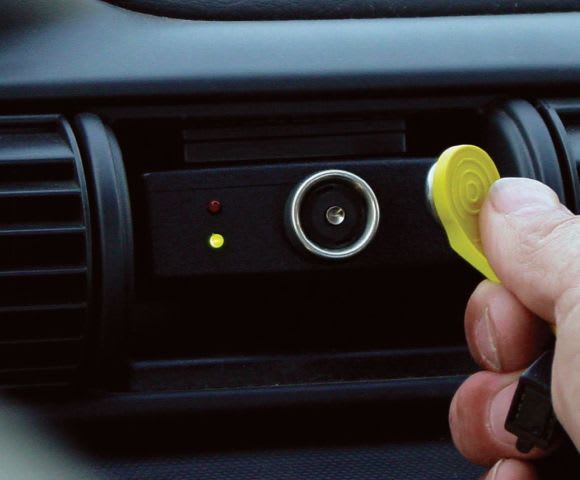
The Cities of Kelowna, B.C., and Inglewood, Calif., and the County of Santa Barbara, Calif., are just a few fleets that have discovered the benefits of using an automated pool system.
Prior to purchasing an automated pool system in 2004, the City of Kelowna had a clerk manage the keys for pool vehicles. “The office was located on the fourth floor of City Hall, and the keys were kept on a peg board with a sign-out sheet,” said Dale Beaudry, roads and equipment superintendent for the City.
Beaudry cited several benefits of the automated system:
• Reduced downtime. Staffers no longer spend time looking for lost or misplaced keys. “Staff would leave them in their pockets or lying on their desks rather than climbing the stairs to the fourth floor,” said Beaudry.
• Added convenience. Keys are now stored at the same location as the car and can be accessed after hours, eliminating the need for employees to use their personal vehicles.
• Increased security. Some employees had extra keys made and took vehicles without a reservation. An employee with a reservation would pick up the key, then find the car missing upon reaching the parking lot. Now, the immobilizer does not permit the car to be started without the use of the fob attached to the main key ring.
• Lower maintenance and repair. Reservations are spread out among all cars, preventing drivers from overusing their favorites and thus reducing the amount of wear and tear on a smaller number of cars.
Efficiency is yet another advantage gained using an automated system. “By tracking actual utilization, we have been able to monitor vehicle availability which eliminated the need to purchase two new cars,” said Beaudry.
Motor pool services have also increased efficiency for the County of Santa Barbara without increasing staff, use of underutilized vehicles has grown, and the number of assigned vehicles has been reduced, also helping to alleviate parking problems.
Fleet Manager Mitch Guenthart encouraged departments to turn in underutilized vehicles and transition to the motor pool, beginning in 2006.
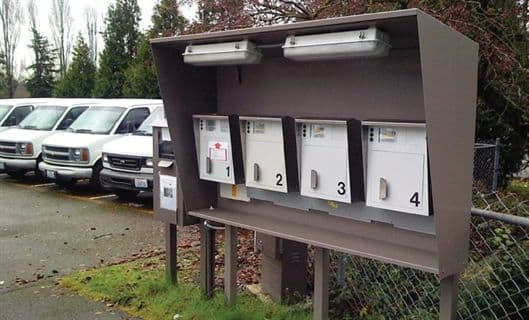
By automating the pool, the County offers employees online reservation for motor pool vehicles and 24/7 access to the motor pool via an electronic key holder strong box installed at the car pool location.
The City of Inglewood has been a satisfied customer as well, according to Fleet Manager Rick Longobart. The City streamlined its motor pool reservation process by improving efficiency, thereby improving utilization and reducing fleet size. This has decreased labor, maintenance, and capital outlay costs, creating a savings of $20,000 in the first operating year, said Longobart.
Ventura County, Calif., tops this figure with savings in excess of $50,000 every year, according to Ed Smith, president of Agile Access Control Inc.
More Operations
Who Deserves Fleet Recognition and What Could You Teach at GFX?
Who helped shape your fleet career, and what have you learned that could help someone else?
Read More →
What’s Haunting Public Sector Fleets?
Public sector fleet challenges rarely happen in isolation, and addressing one often means understanding how it connects to another.
Read More →
Is Keeping Older Fleet Vehicles Really Saving Money?
Is keeping vehicles longer saving money, and what happens when a diagnostic test points to the wrong fix?
Read More →
How Smart Fleet Strategy Can Help Local Government Agencies Do More with Less
Keeping a vehicle longer may ease this year’s budget, but what does it cost the next one? A closer look at fleet decisions can reveal opportunities to reduce spending while protecting essential services.
Read More →
Connect with Government Fleet on LinkedIn
From industry news and fleet management strategies to conversations with peers, Government Fleet's LinkedIn page offers public-sector fleet professionals another way to stay informed and connected.
Read More →
Town of Queen Creek Named Most Successful Fleet Award Winner of Inaugural RTA Fleet Success Awards
Five fleets were honored at RTA Connect 2026 in Chicago for excellence across resource efficiency, intentional culture, risk management, and stakeholder satisfaction.
Read More →
A buyer's guide to fleet management software in 2027
Buying fleet management software in 2027 means looking beyond features and price. As fleet operations, technology and expectations evolve, this guide explores what today’s fleet professionals should consider when choosing a system that can deliver value now and adapt to what comes next.
Read More →
Hazard Alerts, Fleet Car Sales Rise and a New Shuttle Concept
Fleet car sales doubled, but the bigger picture tells a different story in this week’s roundup.
Read More →
How St. Johns County Turned Fleet Data Into Better Replacement Decisions
St. Johns County, Florida, had fleet data, but turning it into reliable decision guidance was another matter. Instead of starting over with a new fleet management system, the county connected existing tools and built a scoring system that gives managers an objective look at fleet health.
Read More →
Fleet Forward Conference Introduces One-Day Passes for 2026
New one-day registration lets fleet professionals attend Tuesday, Wednesday, or Thursday, with passes available for $249.
Read More →