




A Desire to Standardize
Lance Hopper strives to make fleet life easier and safer for his staff and departments.



Lance Hopper
Aside from purchasing equipment and spec’ing vehicles, Lance Hopper, fleet manager for the City of Midland, Mich., says he feels the most interesting aspect of his job is keeping up with the evolution of equipment.
“I love when you find a piece of equipment that does everything and anything, above and beyond what you've actually asked for. It’s definitely satisfying.”
However, he does have a wish list when it comes to standardization in the garage.
Searching for Standardization
Hopper’s biggest challenge is lack of standardization in software that works for various pieces of equipment, from heavy to medium and light duty vehicles. He currently has separate laptops for various types of repairs needed.
“It’s interesting how in this day and age nobody’s come up with a universal piece of diagnostic equipment for doing check engine diagnosis. We have four or five different software running on three different computers at the moment.” There should be an industry wide standard that one software program or diagnosis laptop that works for all vehicle manufactures. “If Ford, Chevy, and Dodge can do it, why can’t John Deere, Mack, and Cummins make it happen?”
Another challenge he is facing is keeping up with the changes in city equipment.
“It’s tough to keep up on all the emission changes coming down the pipeline. We are just trying to stay informed to the best of our ability.”
Protecting Your People
The city has a fleet of 15 buses, and Hopper is currently trying to work on a Plexiglas door that will protect drivers and passengers from Covid-19 that is not only easy for the driver to use, but also still gives them the feeling of safety being behind it without losing vision while driving the bus.
“We went from a shower curtain to a full plexiglass to a half plexiglass, and I think we’ve now finally figured out what's going to work best and keep both driver and passengers safe.”
Another project that’s been on going is the replacement of a new roof for their building, which should be finished by the end of the summer. In addition to this, there are plans to implement a new fueling station.
Their current one is becoming antiquated and they are going to be upgrading their fuel system to one with a data ring around the filler neck. This allows an operator to pull up, grab a nozzle, stick it in the inlet, and have it recognize their vehicle, mileage, and date, thus eliminating the need for a key punch by the driver. In a time when reducing as many points of contact as possible is key to fighting COVID-19, this is sure to reduce risk. It will also help improve getting data form equipment.
Staying Positive
While there's a lot of red tape involved in government purchasing, Hopper says you can’t let it get you down.
“We have to budget for what we want, then get the budget approved. Then we have to spec vehicles out, and so on and so forth. Buying equipment is probably the most trying aspect of the job at times, but over the past few year it seems to be getting better and definitely more efficient now that we are allowed to use Sourcewell, state contracts, and co-op bidding, this has helped in streamlining the process.”
More Software
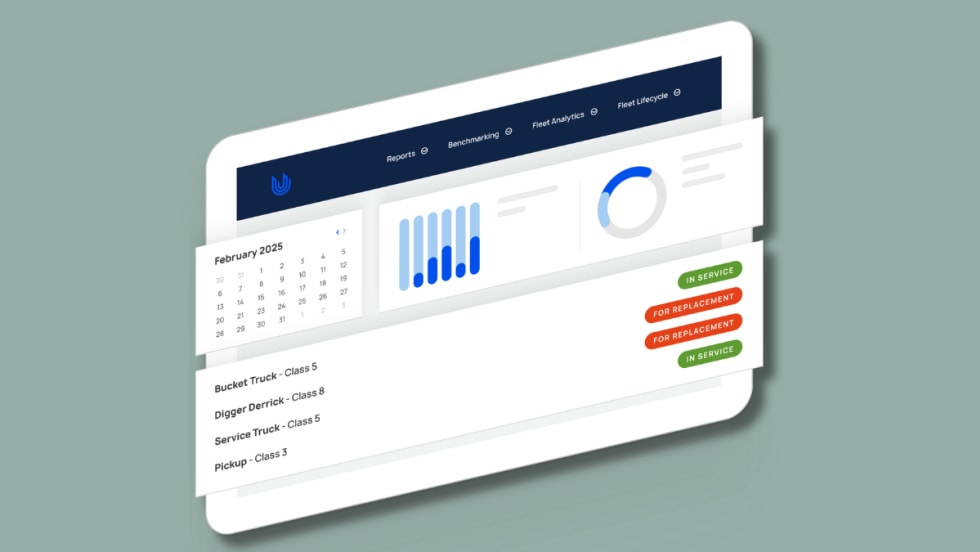
Utilimarc Introduces Vehicle Replacement Planning Tool
Replacing fleet vehicles often involves balancing budgets, maintenance costs, and operational needs. Utilimarc's new planning tool is designed to help fleet managers evaluate replacement priorities using existing fleet data.
Read More →
Samsara Introduces New Brand Identity
The company behind one of the fleet industry's largest connected operations platforms has unveiled a new look. The updated branding reflects Samsara's growing emphasis on AI-driven tools and digital fleet management.
Read More →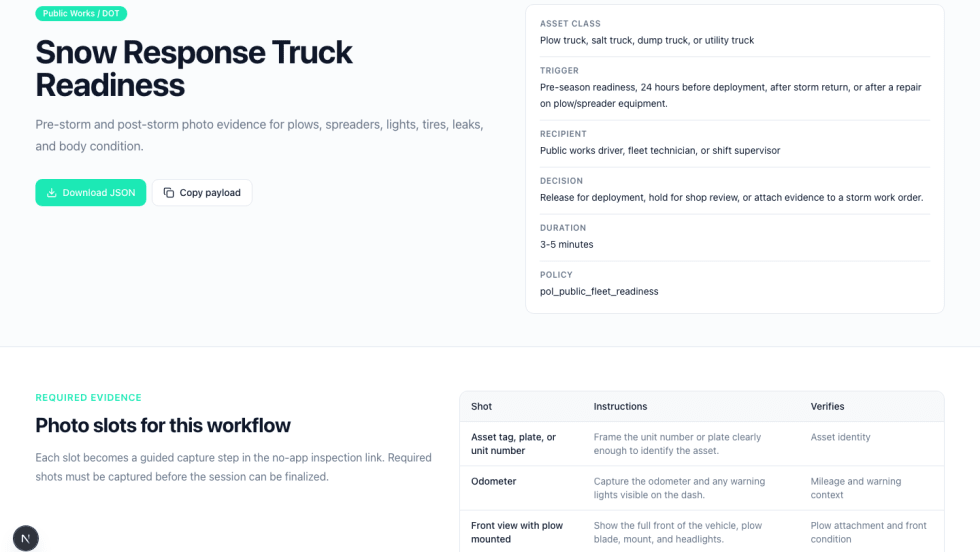
Switch Labs Launches VerifyAI Readiness Kit for Public Fleets
Fleet inspections often rely on paper forms, inconsistent documentation, or manual photo collection. A new toolkit from Switch Labs is designed to give public agencies a more structured way to verify vehicle readiness and track condition over time.
Read More →
Geotab Launches AI Connector for Fleets
New Geotab MCP Connector enables organizations to securely access live fleet data, automate workflows and take action from within the AI platforms they already use.
Read More →
Ford Adds AI Fleet Assistant to Ford Pro Telematics Platform
AI-driven insights allow fleet managers to query vehicle data, track performance trends, and identify maintenance needs across connected fleets.
Read More →
Report Finds 53.3% of Fleets Researching or Piloting AI Capabilities
New benchmark data highlights the cost pressures, maintenance delays, and workforce constraints shaping fleet operations in 2026.
Read More →
3 Ways Fleet Tech Builds Public Trust
Managing a state or local fleet comes with levels of accountability private companies don’t have. Read how modern fleet technology helps elevate visibility and safety to strengthen community trust.
Read More →
Geotab Expands Sourcewell Contract Adding Video Telematics, Asset Tracking, Data Analytics Solutions for Public Sector
Geotab has expanded its cooperative purchasing contracts with Sourcewell to include additional telematics and data solutions for public sector fleets.
Read More →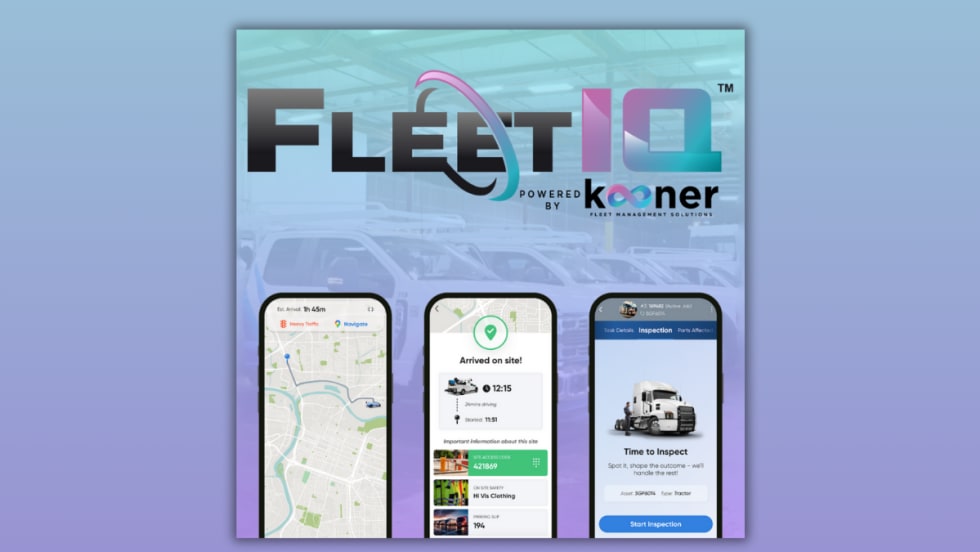
Kooner Fleet Management Launches FleetIQ, A Next-Generation Fleet Maintenance Tech Platform
Kooner Fleet Management Solutions has launched FleetIQ, a new platform that uses predictive analytics and automation to improve fleet uptime, streamline service operations, and support data-driven decision-making.
Read More →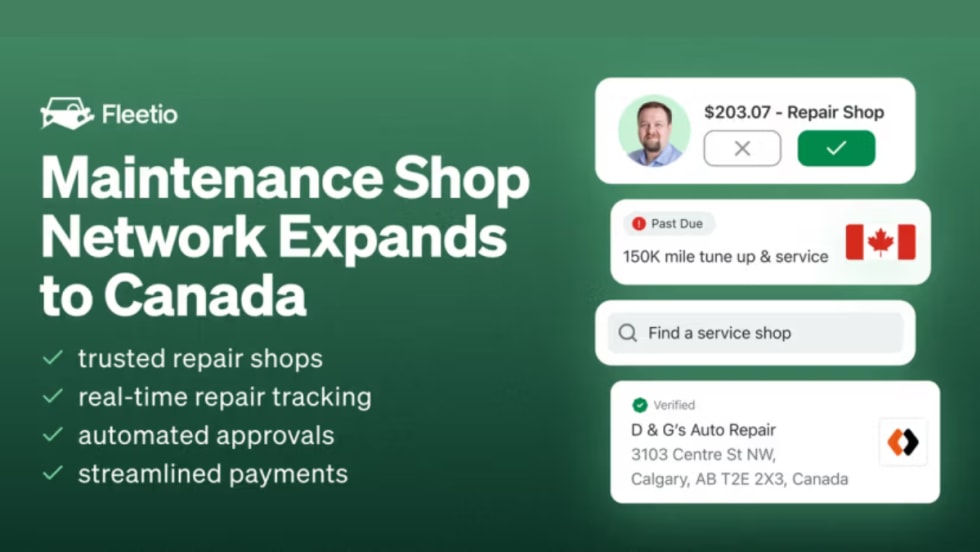
Streamlined Maintenance and Repair Options Now Available for Canadian Fleets
Fleetio expands its Maintenance Shop Network into Canada, giving fleets access to verified repair shops, real-time tracking, and automated approvals.
Read More →