





Related Content: Hard Facts on Electric Vehicles Favor Fleet Usage
A “Charge-at-Home” First Approach for Municipal EV Fleets
Charging technology is evolving at a rapid pace and can lead to buyers' remorse at the local level. How cities, counties, and states can save on charging.
March 28, 2024
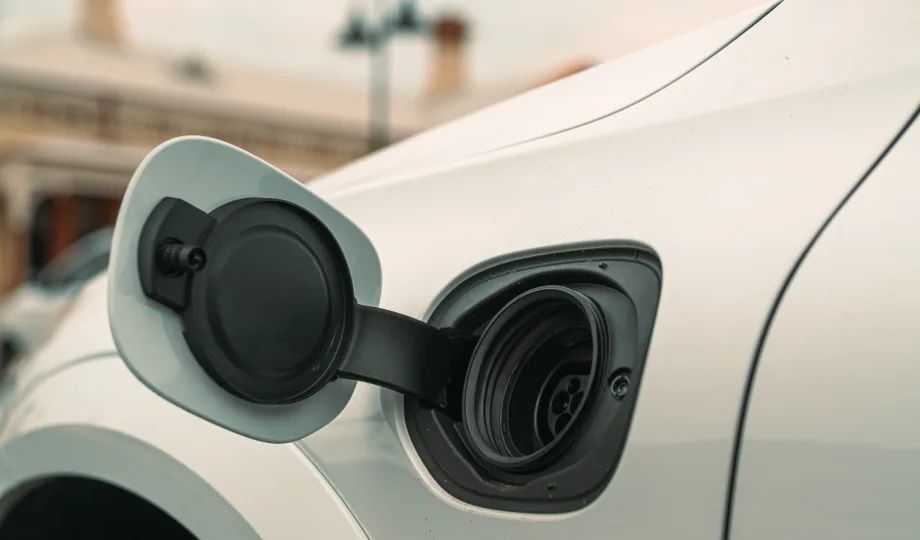
Many municipalities are making EV conversion plans and beginning to purchase their first EVs and chargers.
Photo: Matt Jerome Connor
5 min to read
In January 2009, the city of San Jose, California joined the burgeoning electric vehicle movement by installing several public EV charging stations. The Smartlet stations represented the cutting edge technology of the time, but that particular charger is no longer sold and the manufacturer has replaced it with faster and less expensive alternatives.
Electric vehicle technology continues to charge forward. As EV adoption accelerates around the globe, public employers ― cities, counties, states, and federal agencies ― are hurrying to keep up with new state and federal emissions goals.
As they put together their rapid EV conversion plans, fleet managers face a quandary: when, where, and how should taxpayer dollars be spent on charging infrastructure? That decision becomes even more difficult given the rapid pace of innovation in the EV charging space.
Next-Gen Charging Tech
If you operate a fleet of electric vehicles, or are planning to in the future, 2024 could be an exciting year. A wide range of innovations are coming to market now or in the future that hold appeal to cities, counties, and states going electric:
New robot-powered battery-swapping stations can charge an electric car in five minutes. In December, Stellantis and Ample, the station manufacturer, signed a partnership to work toward integrating the solution with Stellantis’ EVs.
The 400-kW charging stations recently released by Chaevi and EV Box are more powerful than even Tesla’s V4 superchargers, which currently support peak rates of up to 250 kW per vehicle.
Sweden’s electric vehicle charging road ― the world’s first “e-road” ― is currently under construction. The goal is to install the first permanent “e-road” by 2035 in order to comply with EU electric vehicle legislation.
In this rapidly evolving technology climate, one might argue that the smart approach for regional leaders adopting any of these technologies might be a more conservative, wait-and-see strategy: Allow the technology to be tested at scale somewhere before installing it in your own backyard.
The short-term opportunity cost of this stance is the excitement of being an early adopter; the long-term cost is falling a step (or more) behind in pursuit of meeting federal, state, or local targets for reducing emissions and/or missing out on the significant subsidy money available today for both EV and EV infrastructure investment.
Level 2/Fast Chargers: Effective But Costly
Trying to find a middle ground and a sure foot can be challenging. What’s the best course of action? Many municipalities are making EV conversion plans and beginning to purchase their first EVs and chargers. In some places, progress has been slowed because of a false narrative that the two must be developed equally and in parallel.
DC fast chargers, currently the gold standard for public charging, are pricey to install (potentially costing $50,000+ each). Level 2 chargers are more affordable ($600-$12,700), but charge vehicles more slowly and still may require an upgraded or dedicated panel or a building retrofit to install.
Grants are available to offset the costs of both fast chargers and level 2 chargers, but knowing what to apply for and when can be a job in its own right, and installing enough chargers to meet a fleet’s growing demand is daunting, if not completely unrealistic, for capital-constrained municipalities.
The Advantages of Home Charging
Electric vehicles come with a Level 1 charger or “trickle charger” that plugs directly into a standard 120v outlet. This charger can power most lightweight fleet vehicles adequately for daily use if the vehicle is plugged in regularly (while home at night when the vehicle is resting).
Regular overnight charging can add 30-50 miles of daily range. Here, the only charging investment that a municipality needs to make is by reimbursing for charging at home to fairly reimburse employees for their individual electricity use. This can be done using a product like ReimburseEV, which uses vehicle and utility data to generate IRScompliant reimbursement receipts.
If you want to have the fleet vehicles charge faster, a Level 2 charger can additionally be installed at an employee’s home. These chargers require a 240v outlet (and may require additional installation expenses). For those interested in Level 2 chargers, rebates can help offset the cost.
For example, Chevrolet is offering to pay for the cost of installation (average cost: $500 or more) for buyers or lessees of its Bolt EV and EUV models. A federal tax credit announced as part of the 2022 Inflation Reduction Act also offers a rebate of 30 percent (up to $1,000) to install a home charging unit.
Both Level 1 and Level 2 options can be paired with a reimbursement program using a compliant method for calculating reimbursement. Thus, the biggest obstacle for civic leaders considering this approach might be more philosophical than practical.
It requires thinking of public employees’ homes as “new” gas stations ― only much cheaper. Compared to the challenges of installing charging stations onsite today, the at-home strategy saves money, time, and reduces the potential for early buyers remorse.
Relieving the demand for on-site charging infrastructure provides time to let public charging tech get better, faster, and cheaper before committing to large-scale projects without slowing the growth of your EV fleet.
"The technology is evolving very rapidly and deciding where and how to invest in charging infrastructure takes careful planning,” said Easthampton, Mass. mayor Nicole LaChapelle, who in 2023 oversaw the first EV benefit offered to municipal employees in the U.S. “In this context, it makes sense for municipalities to look at home charging as part of their electrification efforts.”
For cities, counties and states considering EV adoption, a charge-at-home-first approach is often the best solution. It reduces capital investment and time to deployment, while promoting grid decentralization and increasing employee engagement in your community's electric vehicle adoption effort.
Subscribe to Our Newsletter
More Software

Utilimarc Introduces Vehicle Replacement Planning Tool
Replacing fleet vehicles often involves balancing budgets, maintenance costs, and operational needs. Utilimarc's new planning tool is designed to help fleet managers evaluate replacement priorities using existing fleet data.
Read More →
Samsara Introduces New Brand Identity
The company behind one of the fleet industry's largest connected operations platforms has unveiled a new look. The updated branding reflects Samsara's growing emphasis on AI-driven tools and digital fleet management.
Read More →
Switch Labs Launches VerifyAI Readiness Kit for Public Fleets
Fleet inspections often rely on paper forms, inconsistent documentation, or manual photo collection. A new toolkit from Switch Labs is designed to give public agencies a more structured way to verify vehicle readiness and track condition over time.
Read More →
Geotab Launches AI Connector for Fleets
New Geotab MCP Connector enables organizations to securely access live fleet data, automate workflows and take action from within the AI platforms they already use.
Read More →
Ford Adds AI Fleet Assistant to Ford Pro Telematics Platform
AI-driven insights allow fleet managers to query vehicle data, track performance trends, and identify maintenance needs across connected fleets.
Read More →
Report Finds 53.3% of Fleets Researching or Piloting AI Capabilities
New benchmark data highlights the cost pressures, maintenance delays, and workforce constraints shaping fleet operations in 2026.
Read More →
3 Ways Fleet Tech Builds Public Trust
Managing a state or local fleet comes with levels of accountability private companies don’t have. Read how modern fleet technology helps elevate visibility and safety to strengthen community trust.
Read More →
Geotab Expands Sourcewell Contract Adding Video Telematics, Asset Tracking, Data Analytics Solutions for Public Sector
Geotab has expanded its cooperative purchasing contracts with Sourcewell to include additional telematics and data solutions for public sector fleets.
Read More →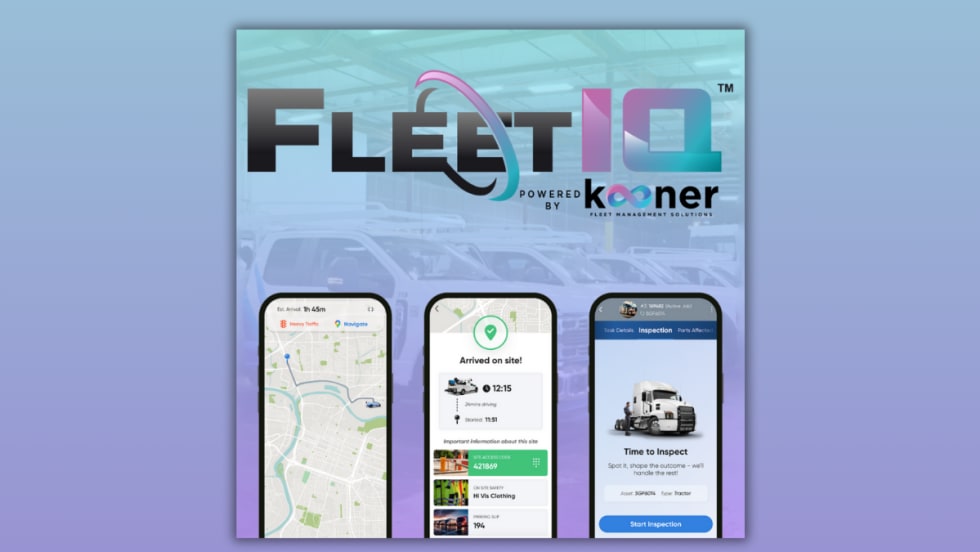
Kooner Fleet Management Launches FleetIQ, A Next-Generation Fleet Maintenance Tech Platform
Kooner Fleet Management Solutions has launched FleetIQ, a new platform that uses predictive analytics and automation to improve fleet uptime, streamline service operations, and support data-driven decision-making.
Read More →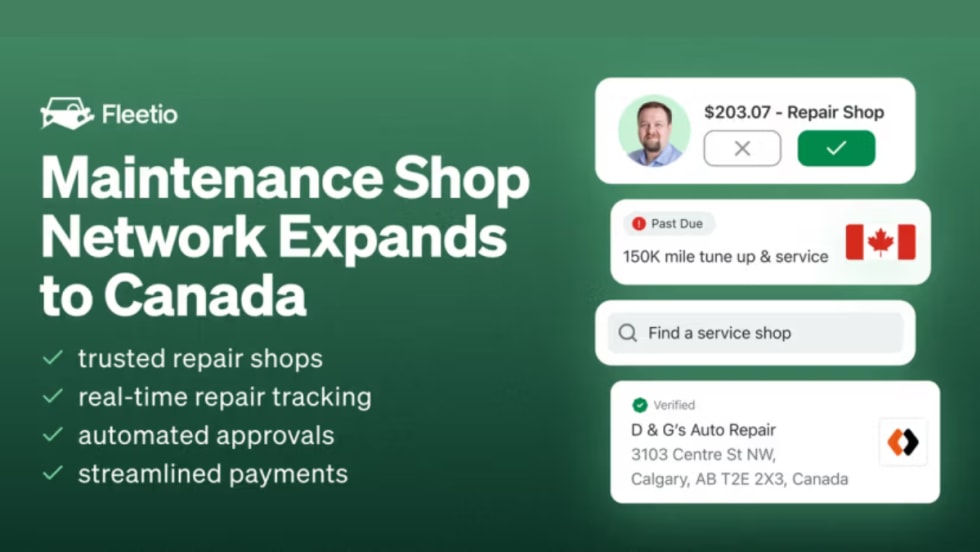
Streamlined Maintenance and Repair Options Now Available for Canadian Fleets
Fleetio expands its Maintenance Shop Network into Canada, giving fleets access to verified repair shops, real-time tracking, and automated approvals.
Read More →