Success Stories in Winter Telematics Operations
Here are some examples of public fleets that have successfully integrated telematics into their snow operations:
Improving Communication
“A municipality in Canada was having problems with communicating snow operation status updates to residents. A city council member the mayor, and a Public Works employee would all have differing ideas about the status, which became a problem when talking to the media,” said Chris Jackson, vice president of government operations for BSM, a Geotab company.
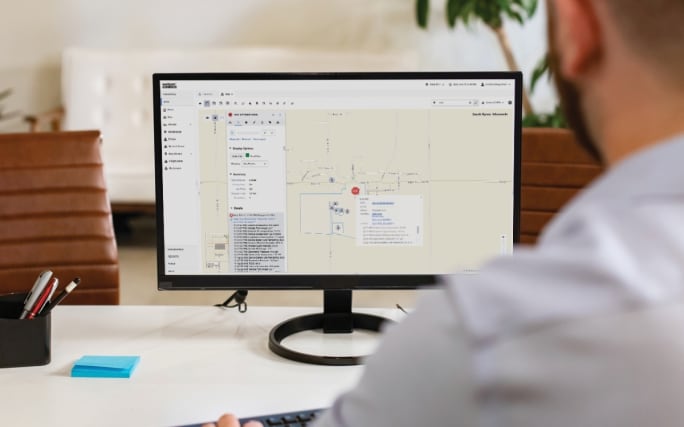
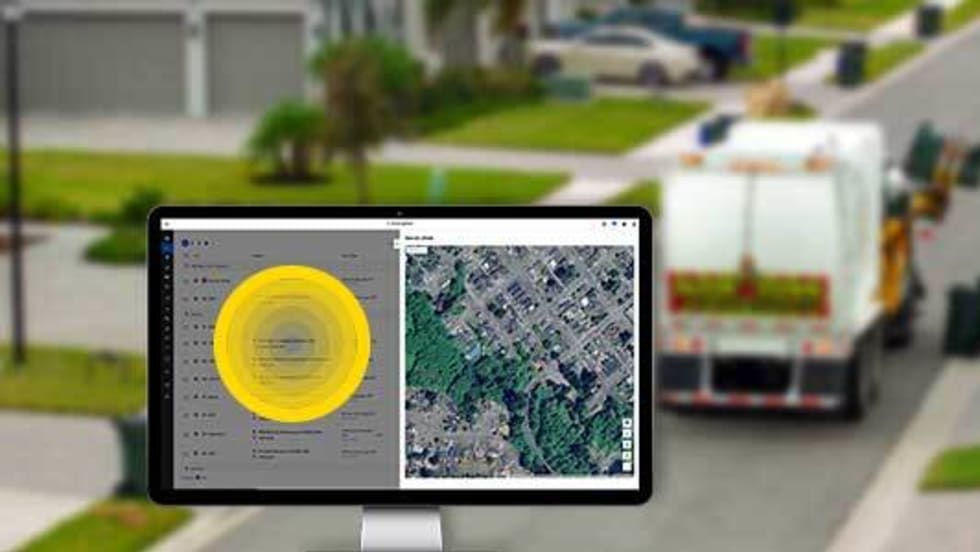
The city added a color-coded map of plow and salting updates on its website and combined it with its Twitter account.
“They have a social feed alongside this 511 information,” Jackson said. “They said, ‘This is our control point of communications.’ They were sending this to councilors, to the mayor’s communications office, and to the media. They’re saying, ‘Everybody, if you want to understand the current status of our operation, here it is.’”
Working with Substitute Drivers
New York City has about 3,500 vehicles used for snow removal. That means thousands of drivers are needed, as well as substitute drivers, said Ted Lee, for Magellan.
“Each truck has two to three shifts per day, so that’s 10,000 drivers per day for all five boroughs,” Lee explained.
As substitute drivers are unfamiliar with routes, that’s where the company’s Return to Route feature is most important. If plow trucks are blocked by a vehicle or a fallen tree, the feature tells them the most effective way to get around the obstacle and return to the route, not leaving a single unplowed block.
“The training and operations cost they’ve saved have been tremendous,” he added.
Knowing exact location is key for this. Magellan has a GPS algorithm that provides better signals in major cities with high-rises such as New York, providing 92% accuracy in comparison to 50% for a regular navigation system, Lee said.
Improving Deployment Times
The Arkansas Department of Transportation faces constant governmental and taxpayer oversight and was looking to improve its operating efficiency. To do so, it installed Verizon Connect (then Networkfleet) telematics on all 2,500 of its highway passenger vehicles. The system allowed dispatchers to direct dump trucks, snow plows, and other vehicles to emergency situations quicker, and fleet staff can keep the public informed about where their snow trucks are and where they’re going, according to Verizon.
Additionally, the system allowed the department to save nearly $500,000 in bulk fuel expenses by reducing unnecessary driving and miles driven.
Optimizing Routes
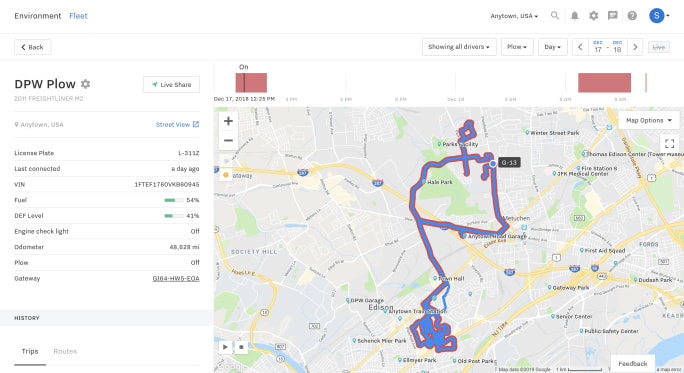
The Town of Edison, N.J., has its nearly 400 vehicles equipped with telematics, and about 50 of these are used for snow operations. This equipment is dispersed across departments, and with no routing software, employees were assigned routes based on employee input and whoever knew the town best. That meant sometimes, a driver was responsible for plowing streets in the opposite sides of town, said Jim DeVico, technology manager for the township.
Using telematics from Samsara and its routing software “took away the opinion and subjective part of it and make it more data driven,” DeVico said. Improved routing means faster plowing — a route that might have taken three hours previously now only takes two.
It also helped the township handle resident complaints and reduce payouts for property damage claims.
“We can verify or disprove those complaints. We used to pay out those claims and now we don’t pay those out anymore,” he said.