




2013 Green Fleet Conference is a Hit with Attendees
Fleet managers from around the country converged on Phoenix to learn about sustainability, network, and test drive alt-fuel vehicles.

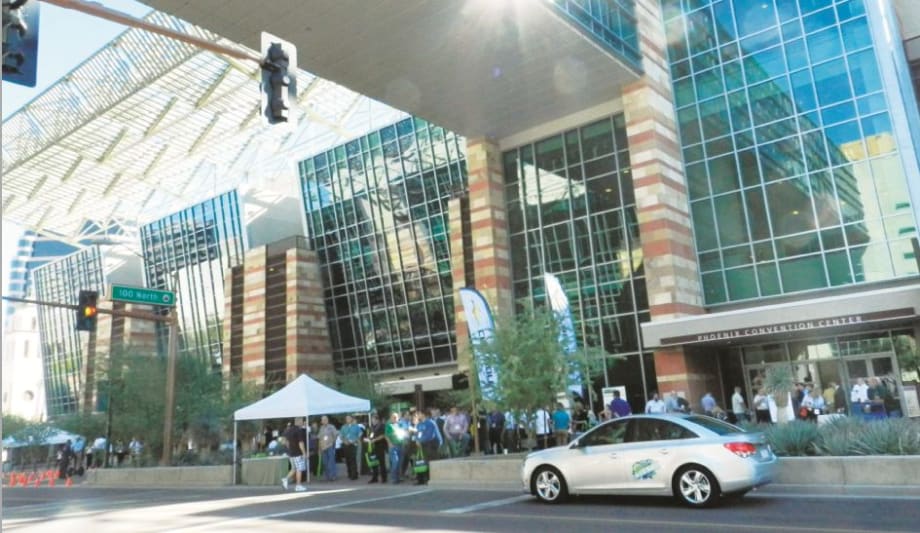
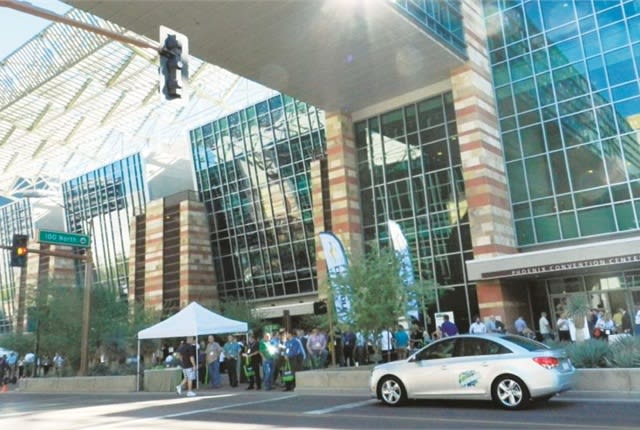
More than 600 fleet managers and stakeholders invested in fleet sustainability took part in this year’s Green Fleet Conference in Phoenix, which was held October 1-2 at the Phoenix Convention Center.
The conference was kicked off by Washington, D.C., Attorney Kipp Coddington with the timely topic of “What Should You Expect in President Obama’s Second Term?” The answer, according to Coddington, in a word is “gridlock,” a connection made even more relevant due to that morning’s shutdown of the federal government.
Concurrent sessions were organized around several learning tracks, including the first-ever heavy-duty truck track, giving attendees an opportunity to drill down into the nuts and bolts of reducing idling, how to implement electric vehicles into a fleet, and getting the lowdown on the new green trucks being introduced on the market.
Also, during the October 2 breakfast, Green Fleet magazine recognized its 40 Sustainability All-Stars. The Government Green Fleets and the ROUSH CleanTech Propane Hero were also honored.
For a PDF of the article, click here. A photo gallery and video of the ride and drive, are also available.
More Green Fleet
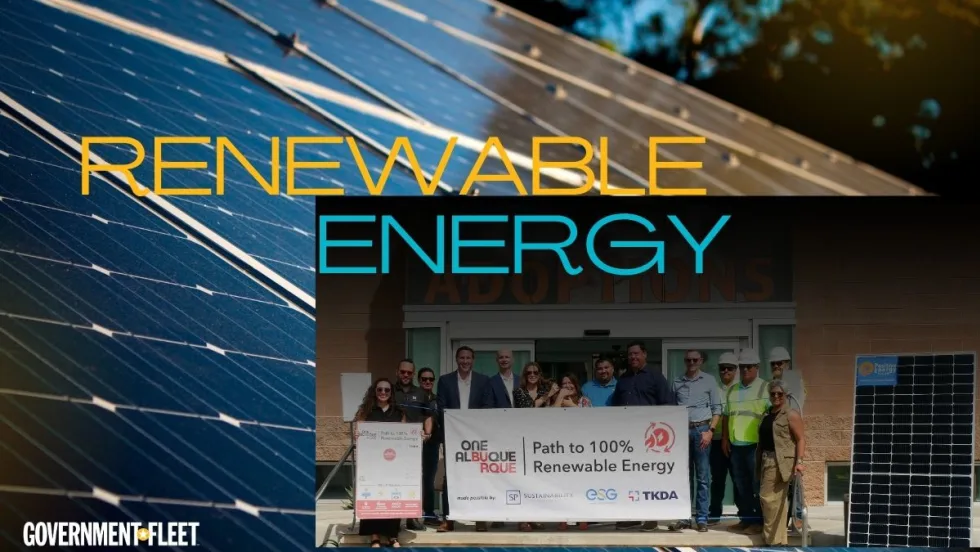
Sustainability Partners, Energy Systems Group Help Albuquerque Close the Gap on its 100% Renewable Energy Goal
The eight-site, 6 MW solar project has advanced the city toward 100% renewable energy for municipal operations.
Read More →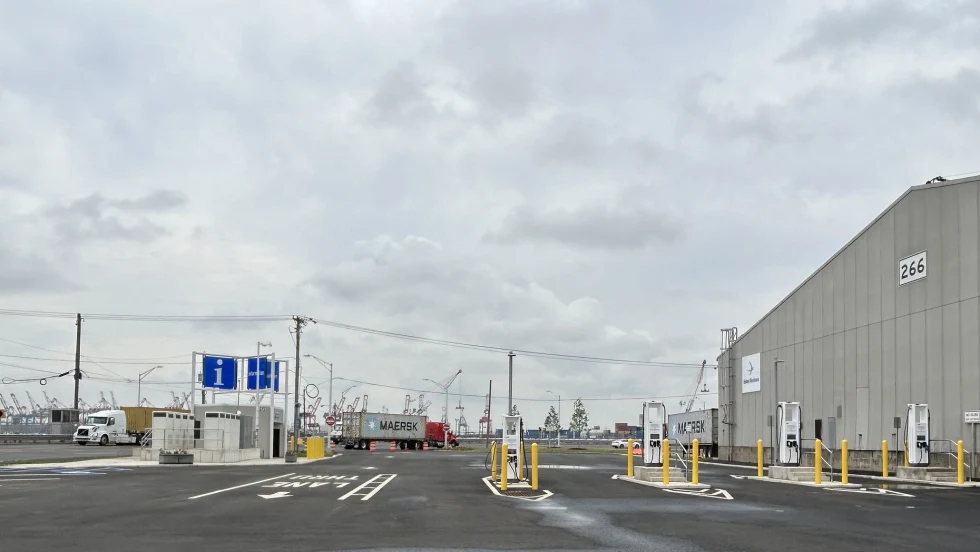
Port Authority and CALSTART Launch $45 Million Electric Truck and Charging Programs
The programs aim to boost sustainable operations across the East Coast's busiest seaport.
Read More →
Moving Government Fleets Beyond the Vehicle Purchase: EV as a Service
A discussion on how EVaaS is moving beyond pilot programs and what fleets should consider before beginning a larger deployment.
Read More →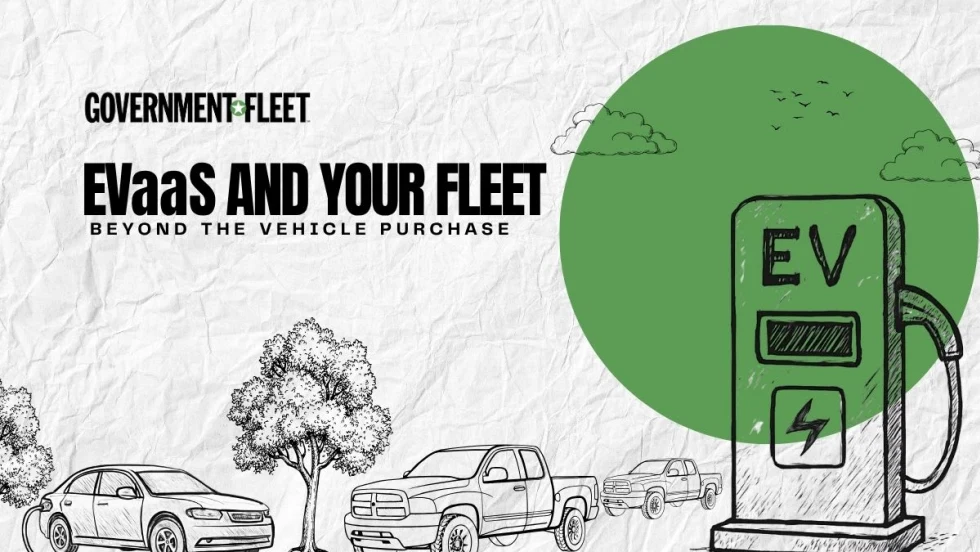
Moving Government Fleets Beyond the Vehicle Purchase: EV as a Service
As fleets move beyond small EV pilots, Sustainability Partners CEO Adam Cain explains how EVaaS can address the infrastructure and long-term planning required for larger deployments.
Read More →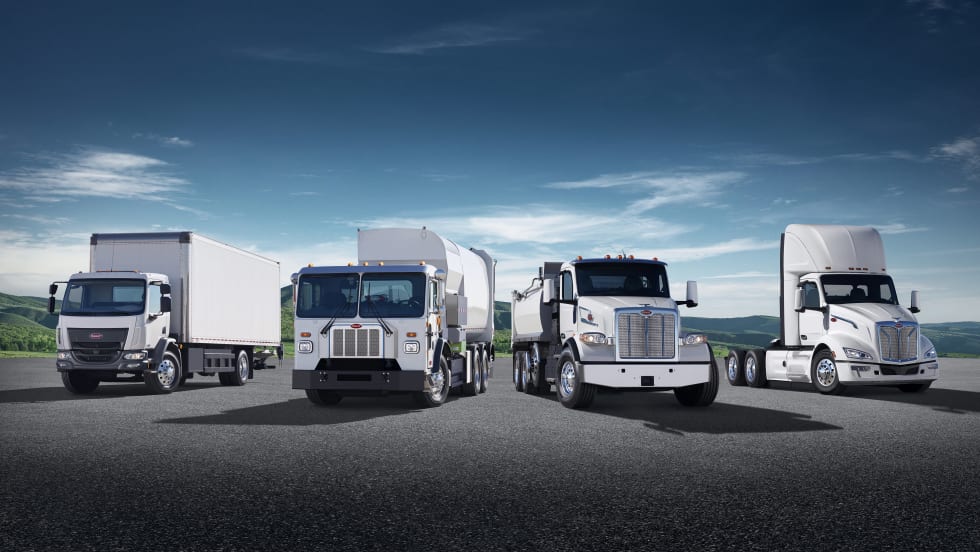
Peterbilt Expands Sourcewell Partnership with Electric Vehicle Lineup
The agreement aims to provide streamlined procurement of Peterbilt trucks for government, education, nonprofit and tribal organizations across the United States and Canada.
Read More →
EV Adoption & Charging Challenges
Where is your fleet in the journey of vehicle electrification? If you're still looking for answers to fleet electrification you've come to the right place.
Read More →
Hawaii Passes Clean Fuel Policy
Hawaii lawmakers passed clean fuel legislation that could support renewable natural gas production, biogas-powered transportation, and lower-carbon fueling options for public and commercial fleets.
Read More →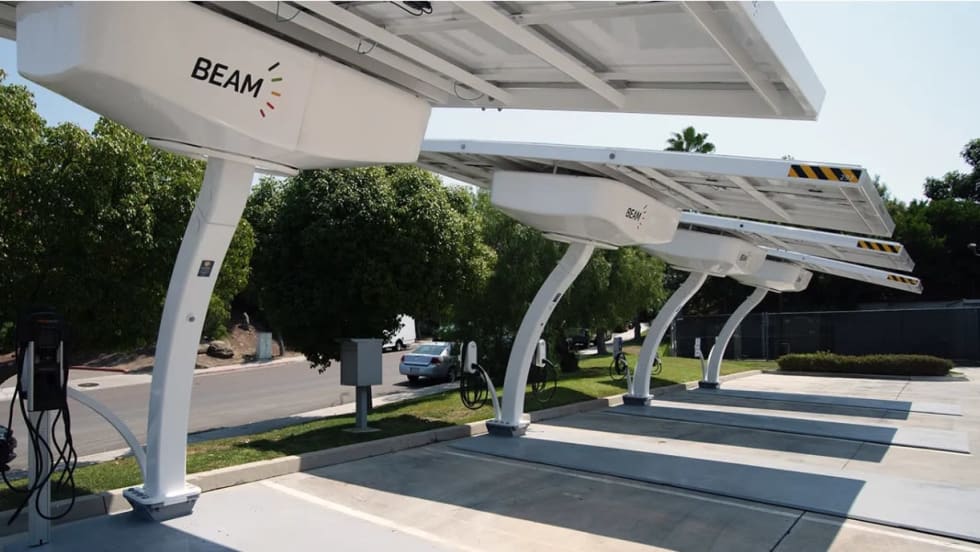
Stanislaus County Deploys Ten Beam Global EV ARC Systems to Support County Fleet Electrification
Stanislaus County deployed 10 off-grid solar-powered EV charging systems and a mobile charging trailer from Beam Global to support its electric fleet operations and emergency response flexibility.
Read More →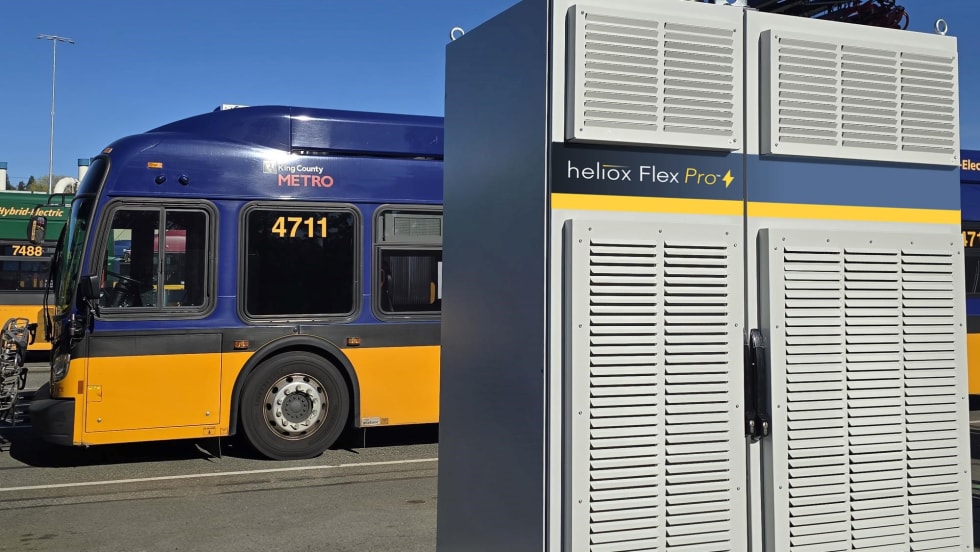
Heliox Pilots 480-kW Bus Charger with King County Metro
King County Metro is piloting Heliox’s new 480-kW Flex Pro charger to support expansion of its battery-electric bus fleet and depot charging infrastructure. The compact charging system supports pantograph and plug-in charging configurations for high-density transit operations.
Read More →