




Chesterfield County Fleet Management Reduces Fuel Markups
CHESTERFIELD, VA – During a recent presentation to the school board, fleet management representatives noted that fuel markups have been reduced and labor charges increased to accurately reflect Chesterfield County Public Schools' projected expenses in both areas.
CHESTERFIELD, VA – In response to concerns about its longstanding practice of using fuel markups to subsidize reduced labor rates, Chesterfield County's Fleet Management Division has overhauled its accounting system beginning with the FY10 budget (starting July 1), according to the Chesterfield Observer.
During a recent presentation to the school board, fleet management representatives noted that fuel markups have been reduced and labor charges increased to accurately reflect Chesterfield County Public Schools' projected expenses in both areas.
"It's a zero-sum game. You're paying it one way or another," Automotive Fleet Manager Prab Rao told board members. "But the [previous] model wasn't one that made much sense to anybody."
A 30-percent markup on wholesale fuel prices listed by the Oil Pricing Information Service (OPIS) was a critical element of fleet management's former business model, which was adopted in the mid-1990s with a goal of making the department self-sufficient.
Fleet management has three revenue streams: the fuel markup and labor and parts costs for maintaining 2,500 county vehicles. The markup generally was used to pay for infrastructure improvements, equipment, salaries, and other costs associated with operating the department's garages.
But when nationwide gas prices skyrocketed last year, fueling a dramatic increase in costs associated with operating the county's fleet of school buses, local officials sought justification for such a significant markup.
Statistical analysis showed that approximately one-quarter of the school system's $4 million in fuel charges during FY08 came from the 30 percent markup paid to fleet management, prompting Matoaca District School Board representative Omarh Rajah to call it "highway robbery."
According to fleet management's new "activity-based" model, which reduced the fuel markup to 15 cents per gallon for FY10, the school system will spend $990,635 less on markups than it did in 2008.
At the same time, labor charges will increase by $922,615, leaving the schools with a total cost savings of $68,020.
To maintain a "break-even" point, fleet management is bumping its per-hour labor rate for school buses from $62 to $73. Those figures include $5 per hour in "ancillary services," such as bus washers, bus runners and mechanics specifically assigned to respond to breakdowns during the morning and afternoon runs.
Asked about the increased labor costs, General Services Director Rob Key presented a benchmark analysis that shows Chesterfield compares favorably for FY09 with other larger and smaller Virginia localities, as well as the private sector.
To gather data for the study, questionnaires were sent out to representatives of six other fleet management divisions within the commonwealth: Richmond, Henrico, Hanover, Virginia Beach, Spotsylvania and Fairfax. Despite significant follow-up efforts, only half of the jurisdictions responded fully.
For purposes of comparison with Chesterfield, which operates 603 school buses and spends more than $4 million annually on maintenance, fleet management chose Fairfax (1,646 buses and $14.2 million) and Richmond (226 buses and $2.2 million).
Chesterfield's cost per bus ($6,766) is significantly lower than both Fairfax ($8,641) and Richmond ($9,735). Chesterfield spends 47 cents per mile, compared to 67 for Richmond and 75 for Fairfax.
Chesterfield's 30 percent parts markup also beats Fairfax (31 percent) and Richmond (35).
And while Richmond's shop rate of $42.50 per hour is lower than Chesterfield ($62) and Fairfax ($66), Key said a subsequent inquiry discovered that Richmond lists costs for facilities, energy, and shop-keeping in a separate budget.
Regardless, all three localities spend less than they would by outsourcing their school bus maintenance programs to businesses in the private sector. While several local companies offer competitive rates of parts markup, only one surveyed - International Truck Sales - charges a shop rate less than $89 per hour.
Fleet management does currently outsource maintenance of county vehicles in three specific areas - glass repairs, body repairs and engine/transmission overhauls - but Key said that's because it's more cost effective than expanding its own in-house operations.
More Green Fleet

Turning Connected Vehicle Data Into Decisions That Matter
Fleet leaders have more data than ever, but turning that data into clear, actionable decisions remains a challenge. This white paper shows how leading organizations are using connected vehicle data to improve safety, reduce costs, and optimize fleet performance. Learn how to turn insight into action across your fleet.
Read More →
Are You Tracking Your Fleet's True Total Cost of Ownership?
Bobit Business Media surveyed 190 fleet professionals and found that while most fleets are tracking costs, fragmented systems and data gaps are keeping true TCO visibility out of reach. With rising pressure to control spend in an increasingly volatile environment, the gap between what fleets think they know and what the data actually shows is wider than you might expect. See how your peers are managing costs today and where the industry still has room to improve.
Read More →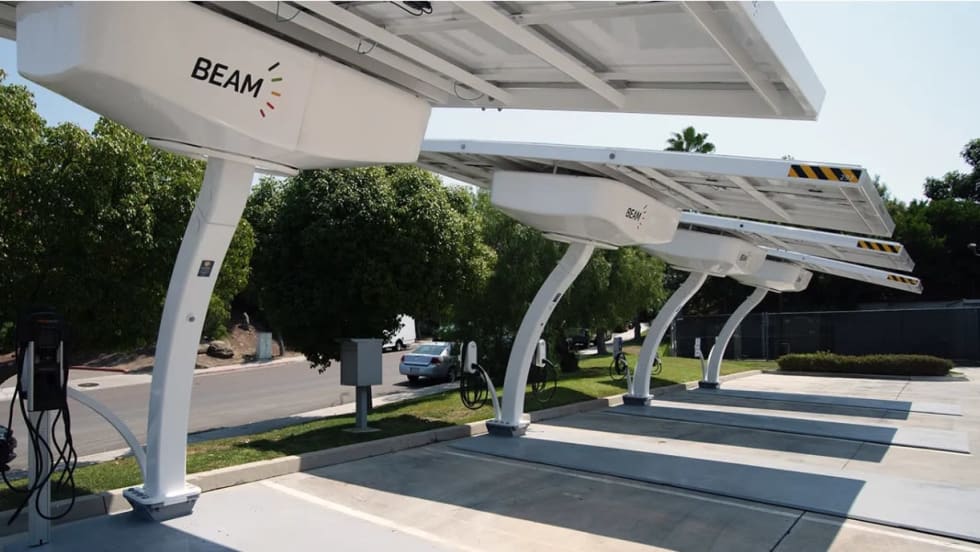
Stanislaus County Deploys Ten Beam Global EV ARC Systems to Support County Fleet Electrification
Stanislaus County deployed 10 off-grid solar-powered EV charging systems and a mobile charging trailer from Beam Global to support its electric fleet operations and emergency response flexibility.
Read More →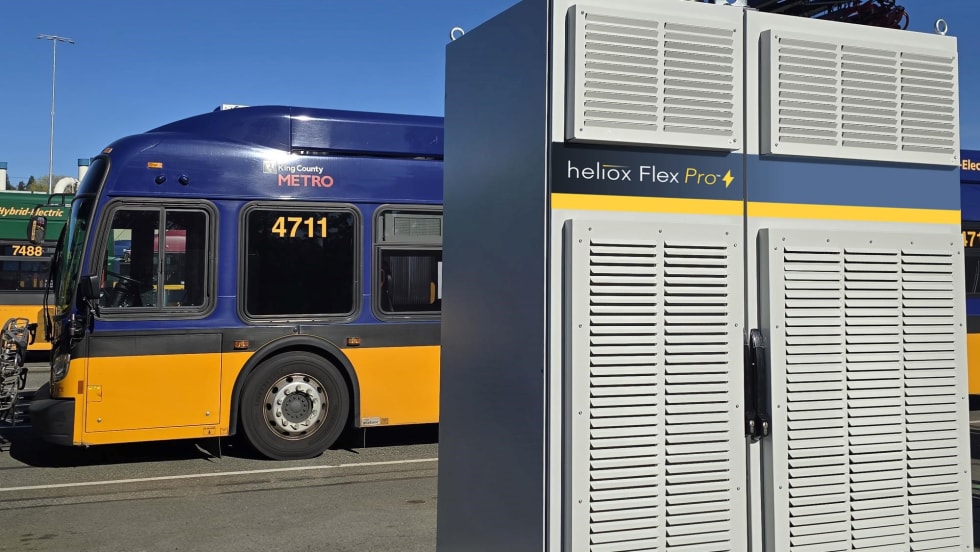
Heliox Pilots 480-kW Bus Charger with King County Metro
King County Metro is piloting Heliox’s new 480-kW Flex Pro charger to support expansion of its battery-electric bus fleet and depot charging infrastructure. The compact charging system supports pantograph and plug-in charging configurations for high-density transit operations.
Read More →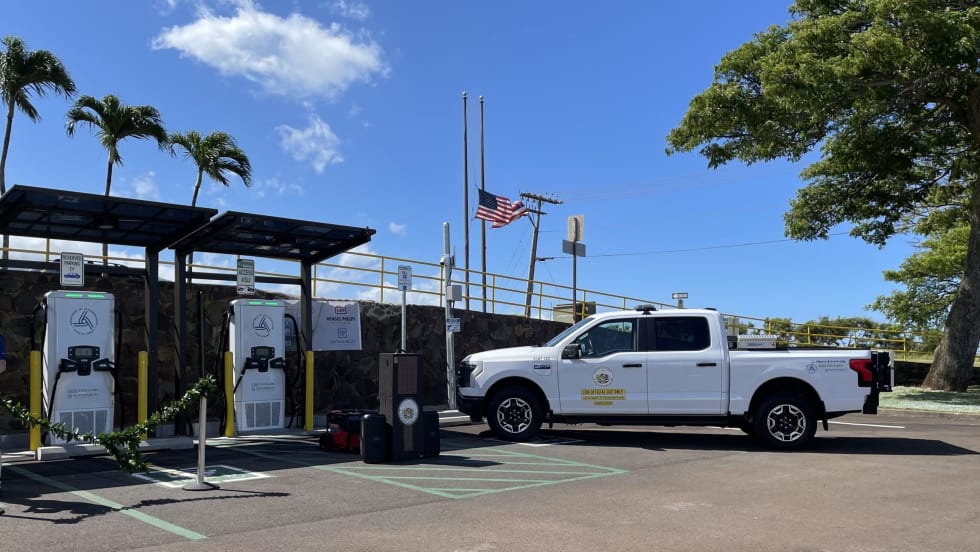
HDOT Commissions New NEVI Fast-Charging Site at Maui Kapalua Airport
HDOT, community leaders and project partners recently participated in a commissioning and blessing ceremony celebrating the opening of the new charging site.
Read More →
EV Efficiency Beyond the Battery
Eastman launched Saflex Evoca XIR.SR, an infrared-reflective interlayer for EV panoramic sunroofs designed to reduce cabin heat, improve occupant comfort, and support battery efficiency.
Read More →
Revisiting the EV Conversation | The Fleet Breakroom
EVs have been a major part of the fleet conversation for years, but where does that conversation stand now?
Read More →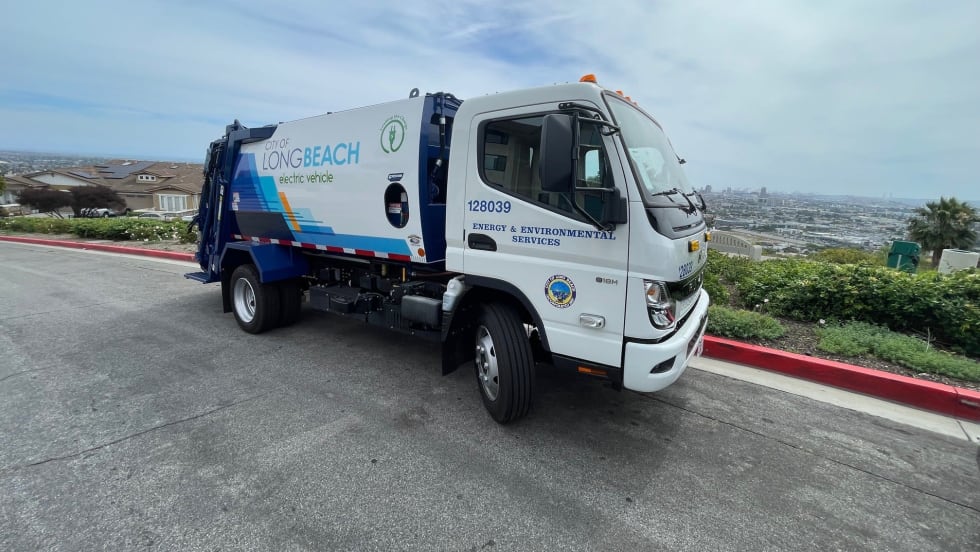
Long Beach Debuts First Electric Refuse Trucks in Fleet Pilot
The City of Long Beach, California, has unveiled its first two all-electric garbage trucks, marking the start of a pilot program as the city evaluates a broader transition away from compressed natural gas.
Read More →
Beam Global and HEVO Inc. Launch Market Ready Autonomous Charging Platform for Autonomous Vehicles
Beam Global and HEVO have launched an integrated autonomous wireless charging system that pairs off-grid solar EV infrastructure with wireless charging technology, designed to support autonomous vehicle operations and electric fleet deployments.
Read More →
New EVs Part of Long-Term Investment Toward Zero Emissions
Alabama A&M University has added four electric patrol vehicles to its Department of Public Safety fleet, becoming the first university in the state to deploy electric police vehicles.
Read More →