





Related: Ford PIU Hybrid Sales Rise to 20%
Mass. State Police on Transitioning to Hybrid Patrol Vehicles
The Massachusetts State Police has ordered only the hybrid PIU for its frontline patrol vehicles this year and expects to see fuel savings.
April 16, 2020
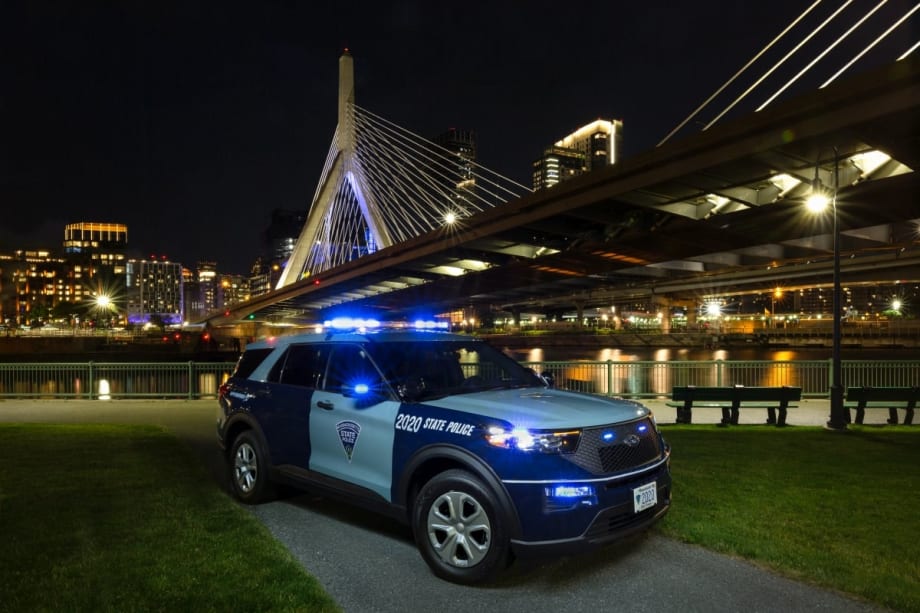
Massaschusetts State Police has purchased 161 Ford Police Interceptor Utility hybrid vehicles for 2020.
Photo: Massaschusetts State Police
3 min to read
The Massachusetts State Police fleet consists of 3,100 vehicles, more than half of which are frontline patrol cars. Of these, 1,600 are Ford Police Interceptor Utility vehicles, and this year, the agency has ordered only the hybrid version of the PIU for its frontline patrol vehicles — 161 vehicles, Sergeant PJ Fernandes for the fleet administration section confirmed.
Transitioning from Sedans to SUVs to Hybrids
Fernandes remembers the transition to SUVs from the Ford Crown Victoria sedans, which was discontinued in 2011. The agency obtained two of the new Police Interceptor Utility vehicles to test out.
“Back then the colonel at the time…we showed her it and her reaction to it was ‘how am I going to rationalize buying an SUV?’” Fernandes recalled. “That was the perception, that this big SUV would use a lot of gas [especially in comparison to] the Crown Vic, which was significantly cheaper.”
Now the SUV makes up the vast majority of the frontline fleet, and the agency is hoping to transition to the new PIU Hybrids when possible, ordering 161 hybrid versions this year. The agency usually buys about 350 vehicles each year — between 150 and 200 of these are frontline patrol vehicles.
The procurement budget — usually about $10 million — hasn’t changed in the past 15 years, meaning the number of vehicles the agency can purchase each year has decreased as vehicle prices have increased.
Fernandes said he does expect the hybrid version to reduce vehicle fuel costs, even if it doesn’t make up the approximate $8,000 difference the agency pays for this year's version, a refreshed model and a hybrid.
But he emphasizes that the purchase of the hybrids wasn’t a mandate.
“We are exempt from that right now, being a police agency, but as the world changes, we are going to be subjected to those. And this is just a way — call it perception, call it whatever you want — but we're buying hybrid cars, we're doing our part, we're trying to do it better,” he said.
As for potential maintenance costs, the hybrids currently in service only have up to 10,000 miles on them and haven’t required any heavy maintenance work yet, Fernandes said. It will be three or four years before he can determine if the hybrid vehicles are less costly to maintain.
Coronavirus Concerns
For the Massachusetts State Police, the priority during the COVID-19 crisis is keeping vehicles in service. Fleet staff members are considered essential employees, which means shops are open and fully functioning, said Fernandes said.
"We have purchased alcohol sprayers to disinfect interior of vehicles before and after our mechanics service the vehicle. We are constantly updating our procedures based on day to day information to protect our mechanics and keep them safe," he added.
Since patrol vehicles are take-home vehicles, each trooper is responsible for cleaning his or her own car. They have guidelines about wiping it down.
More Police
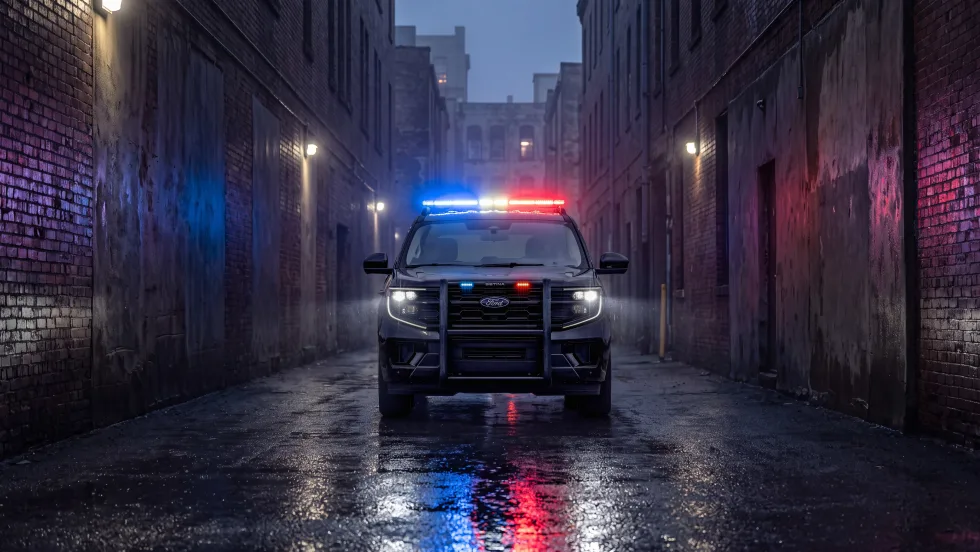
Ford Pro Introduces Full-Size 2028 Expedition Police Responder
Ford Pro gave law enforcement customers a first look at the pursuit-rated utility during Police Fleet Expo.
Read More →
Paterson Police Expand Drone Fleet, Launch Real-Time Operations Center
The Paterson Police Department has expanded its drone program and opened a new Real-Time Operations Center designed to support emergency response and incident management. The initiative integrates multiple technologies to provide officers with real-time information during investigations and public safety operations.
Read More →
Why Public Fleet Success Depends on More Than the Vehicles
Tim Coxwell of the Leon County Sheriff’s Office discusses the projects shaping his fleet operation, including long-term work around vehicle selection, greenhouse gas emissions, and cost per mile.
Read More →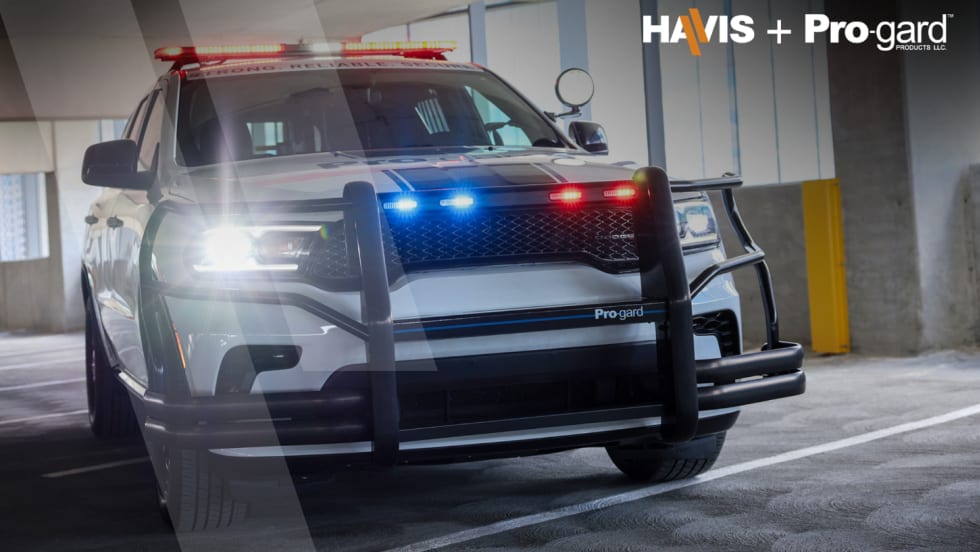
Havis Acquires Pro-gard Products
The acquisition brings together two manufacturers of public safety vehicle equipment under one company. Havis says the move expands its portfolio of products for outfitting law enforcement vehicles and other public safety fleets.
Read More →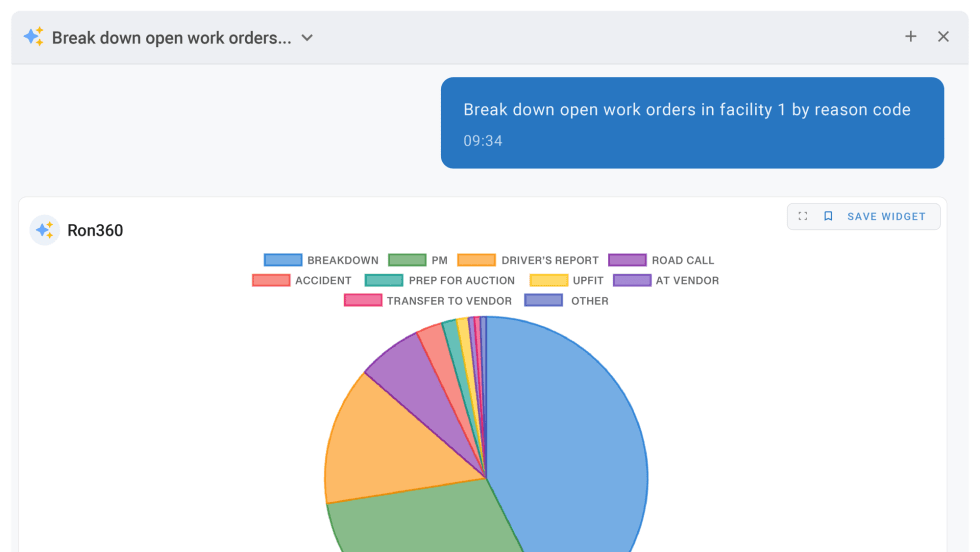
RTA Fleet Introduces AI Assistant for Fleet360 Platform
As artificial intelligence continues to gain traction across public-sector operations, fleet software providers are finding new ways to incorporate the technology into everyday workflows. RTA's latest addition aims to simplify how users interact with fleet data.
Read More →
2026 Police Fleet Innovators Named
Meet the professionals finding new ways to solve some of law enforcement's toughest fleet challenges.
Read More →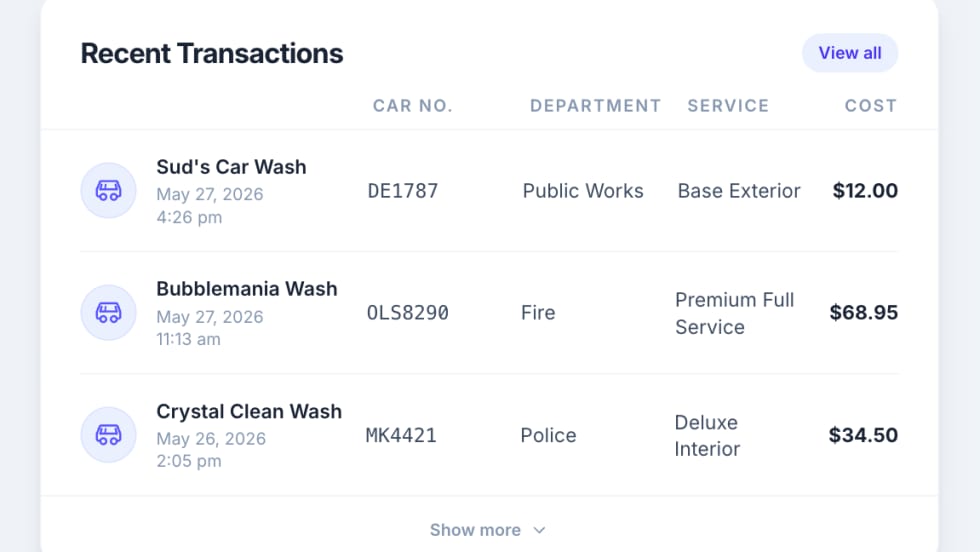
Rynse Expands Nationwide Fleet Wash Access for Law Enforcement
The North Carolina Sheriff’s Association Contract Cooperative purchasing contract aims to streamline procurement process for law enforcement agencies across the U.S.
Read More →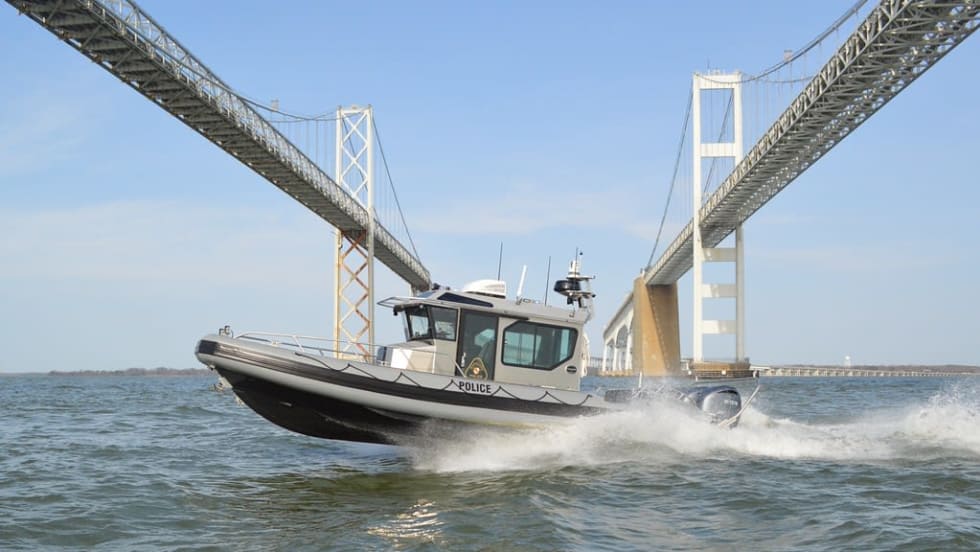
Maryland Natural Resources Police Adds 31-Foot Patrol Boat to Enforcement Fleet
A new addition to Maryland’s marine enforcement fleet is bringing expanded capabilities to Chesapeake Bay operations while honoring a legacy within the agency. The high-performance patrol vessel reflects how law enforcement fleets are adapting to growing demands on the water.
Read More →
LEHR Expands Florida Presence With Enforcement One Acquisition
LEHR has acquired Florida-based emergency vehicle upfitter Enforcement One, marking its eighth add-on acquisition.
Read More →
Maryland’s Wicomico County Sheriff Adds Mustang GT Patrol Vehicles
The agency is also working with the Maryland Police Training Commission on a specialized high-performance driving course for deputies assigned to the vehicles.
Read More →